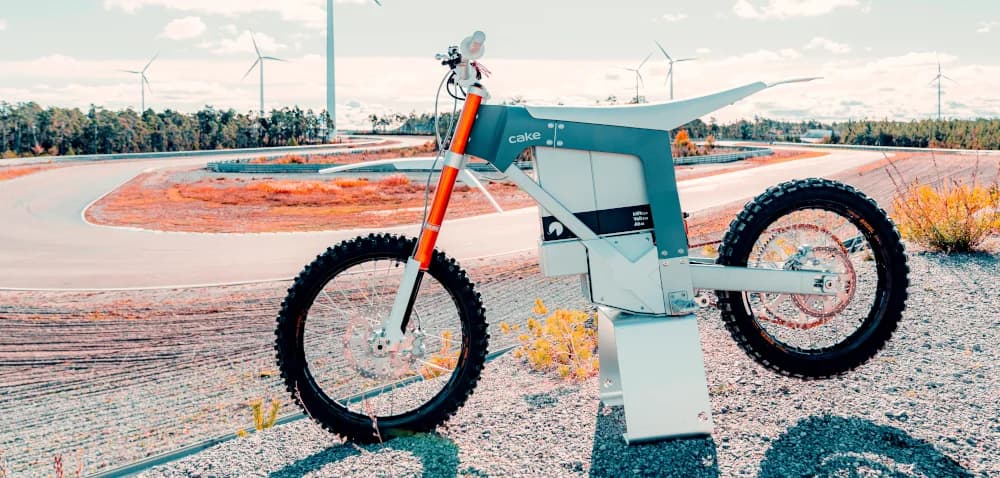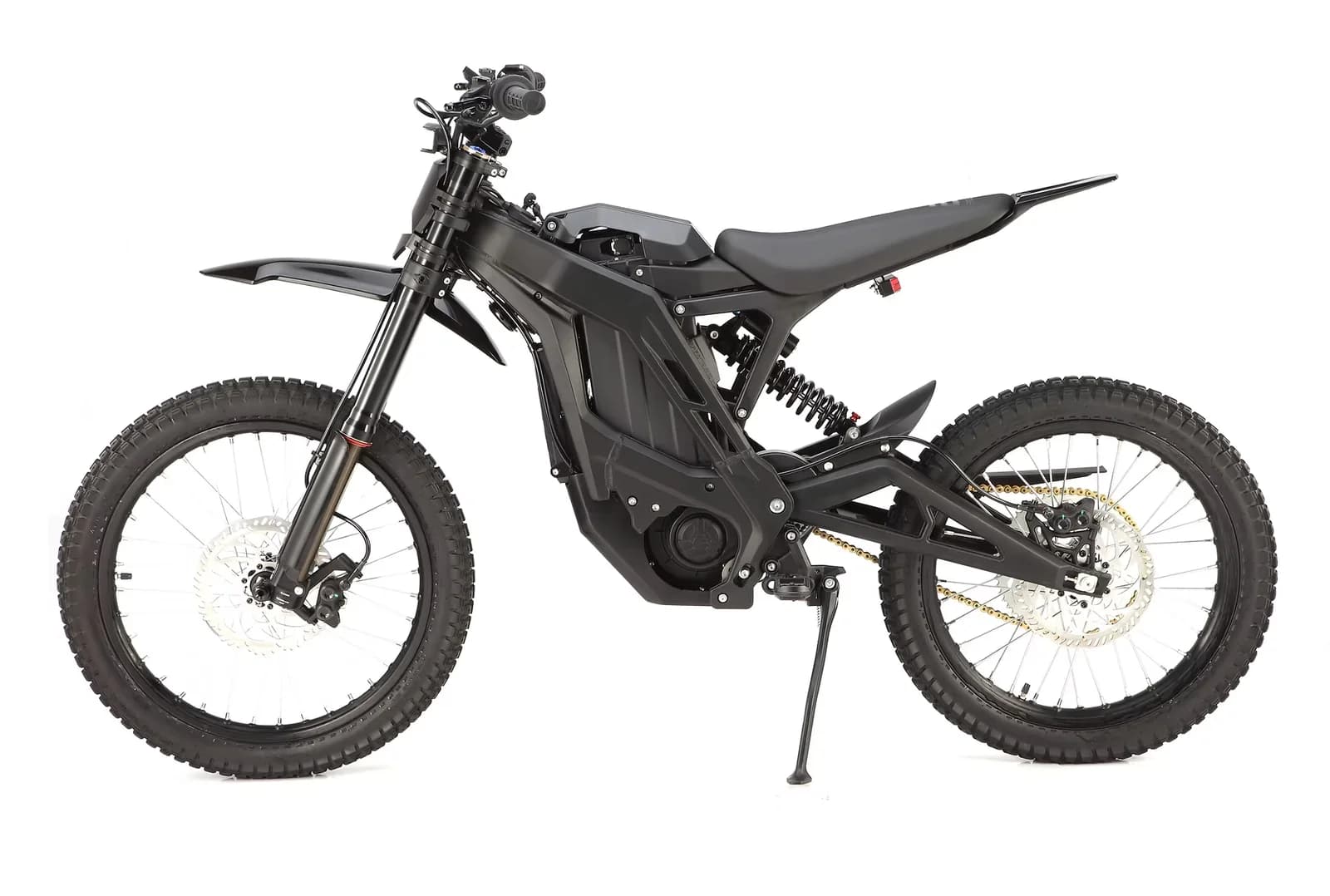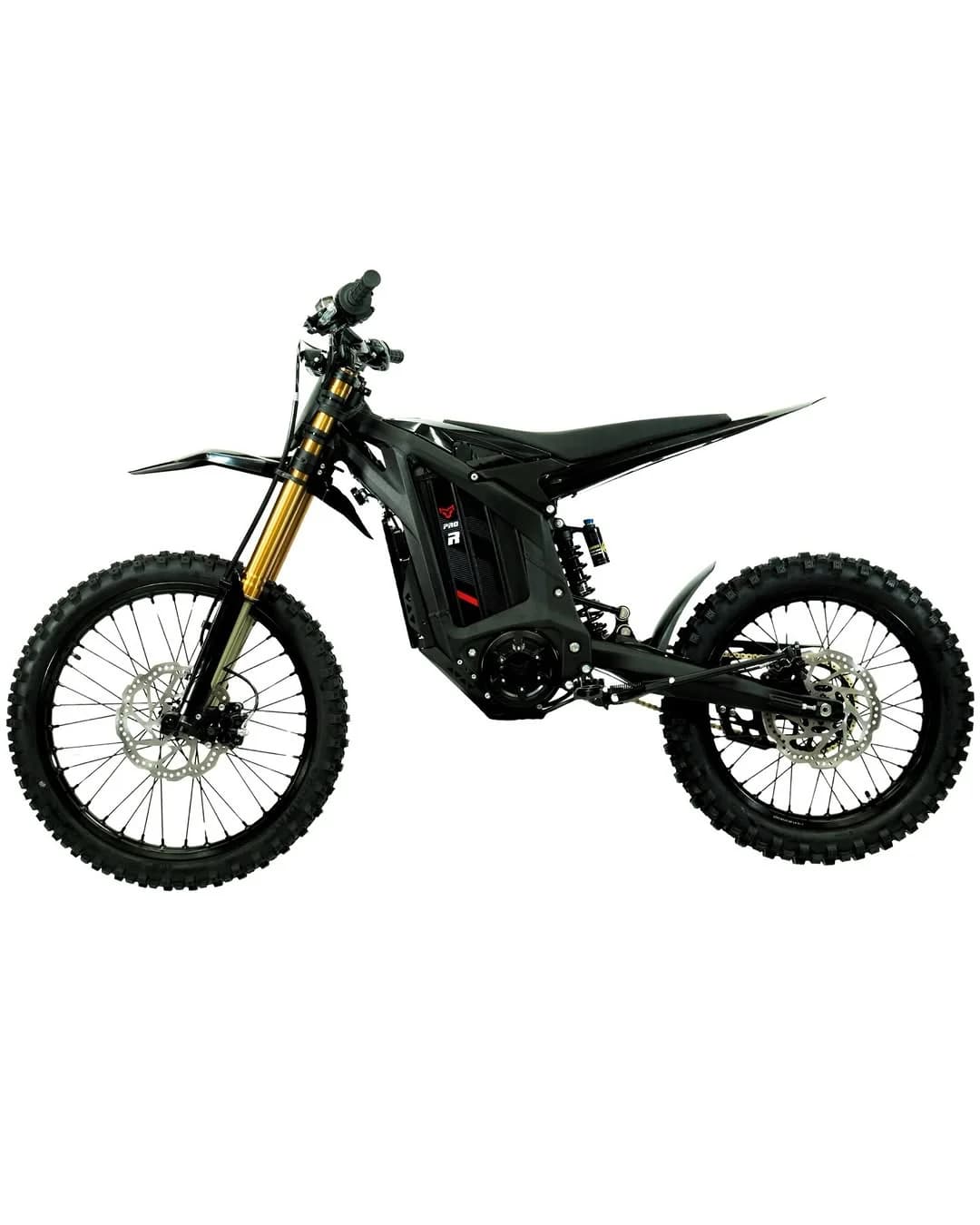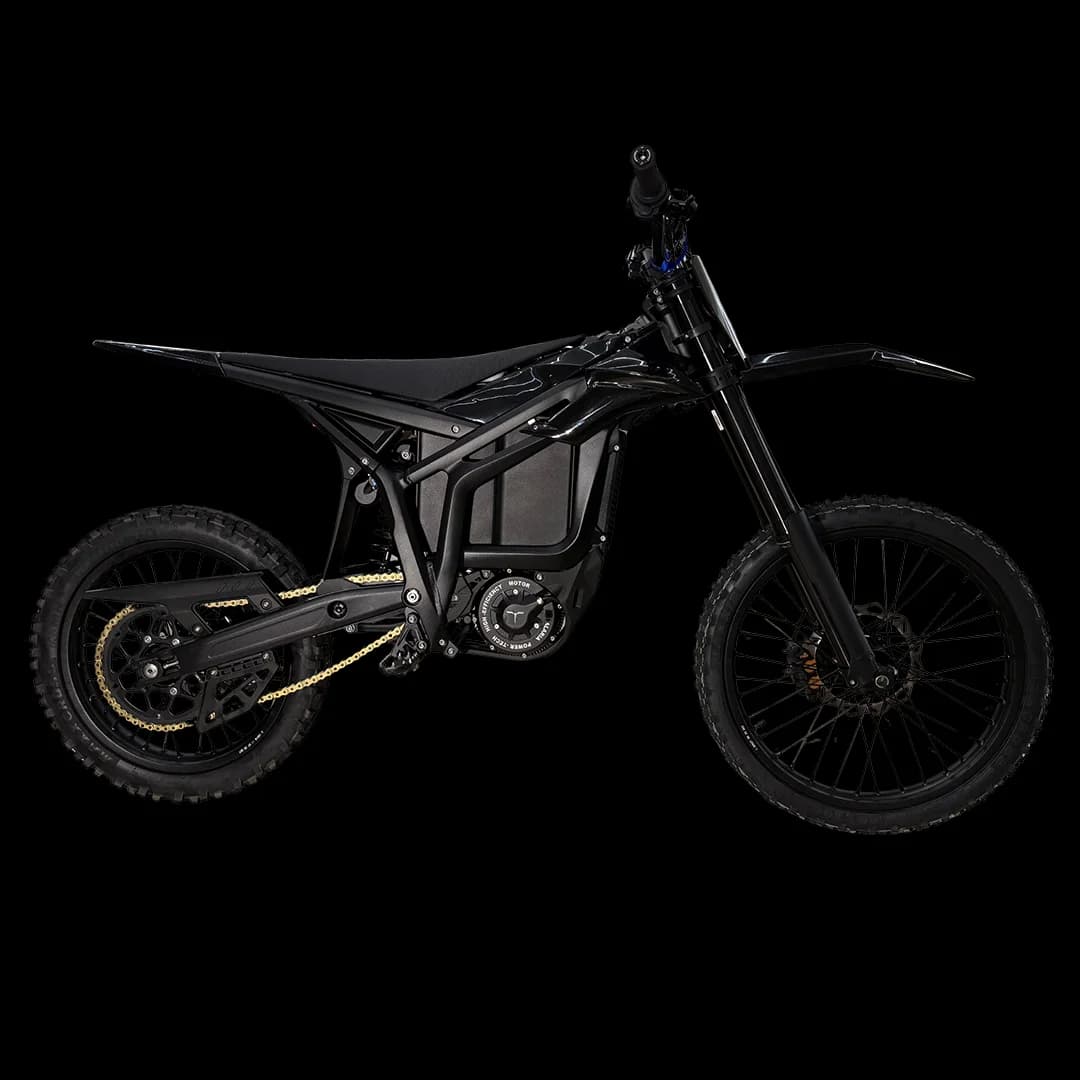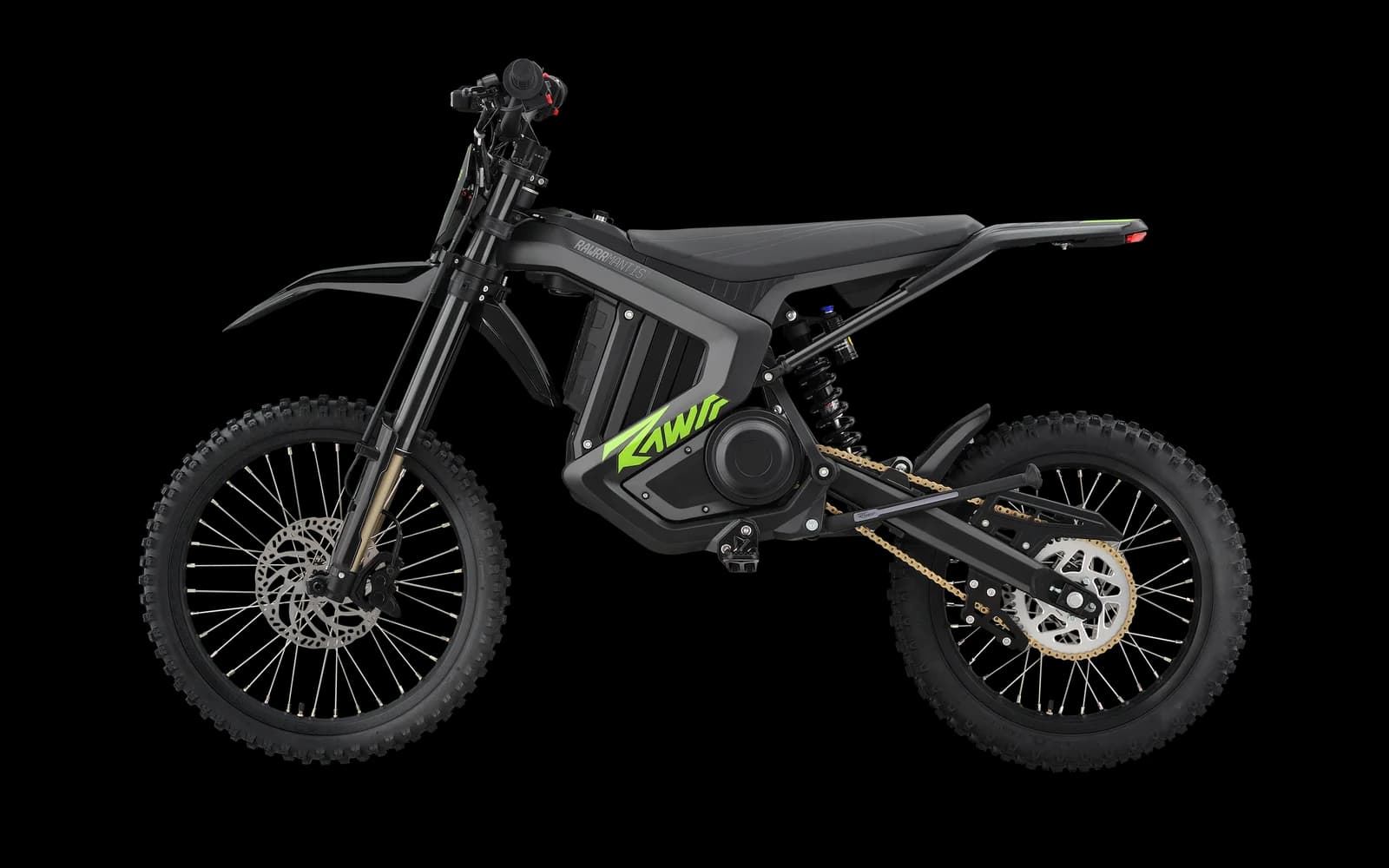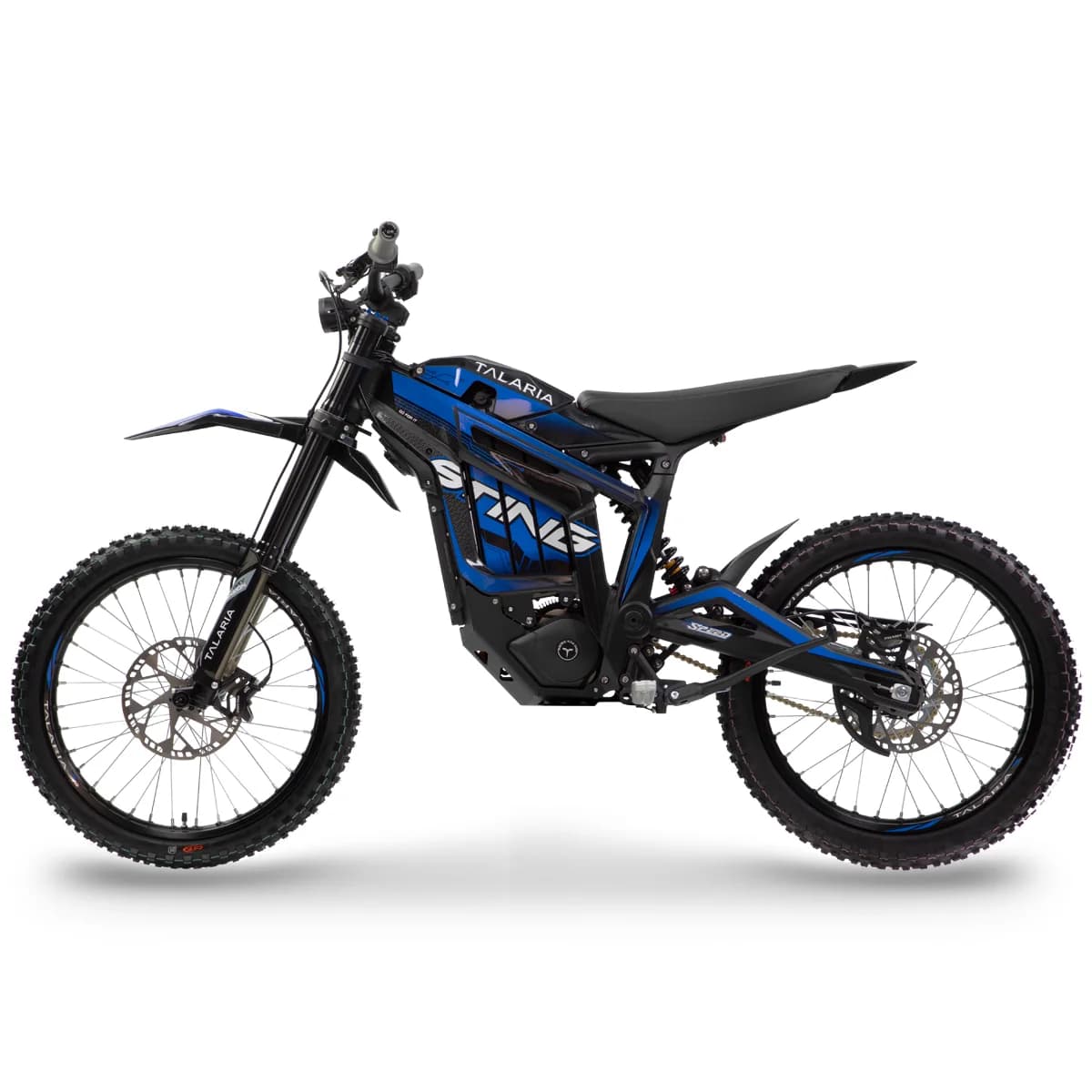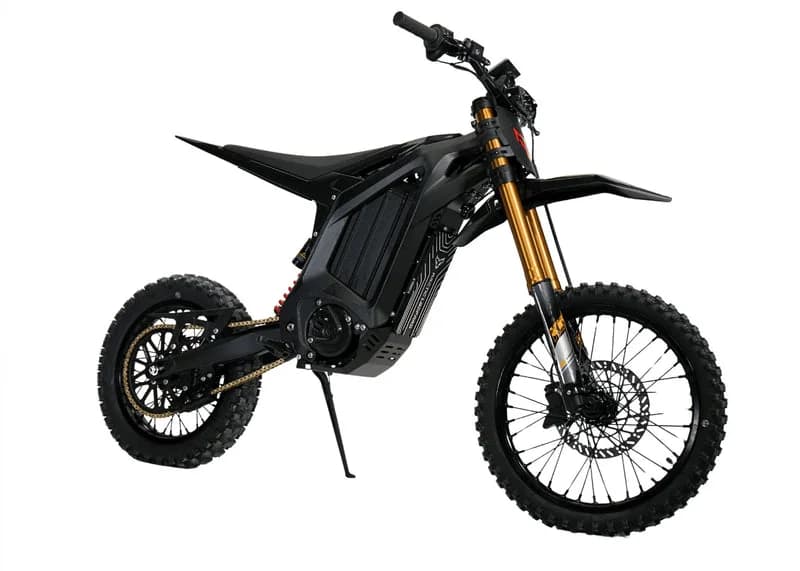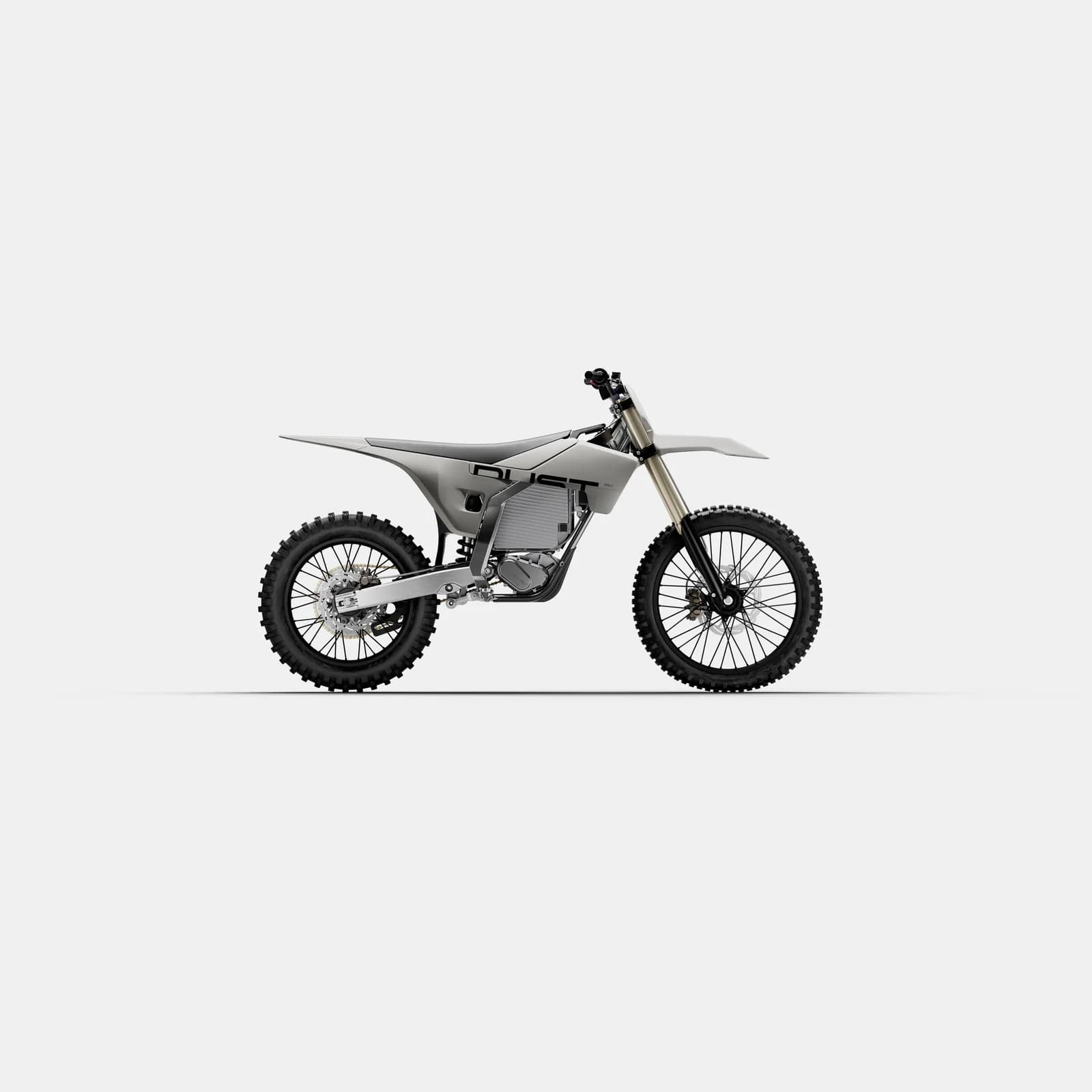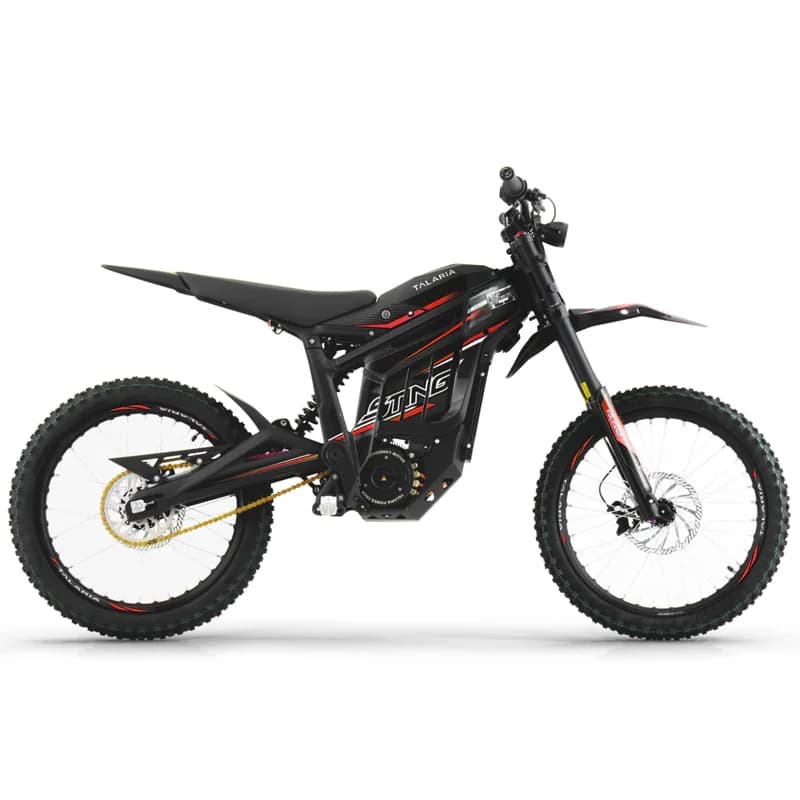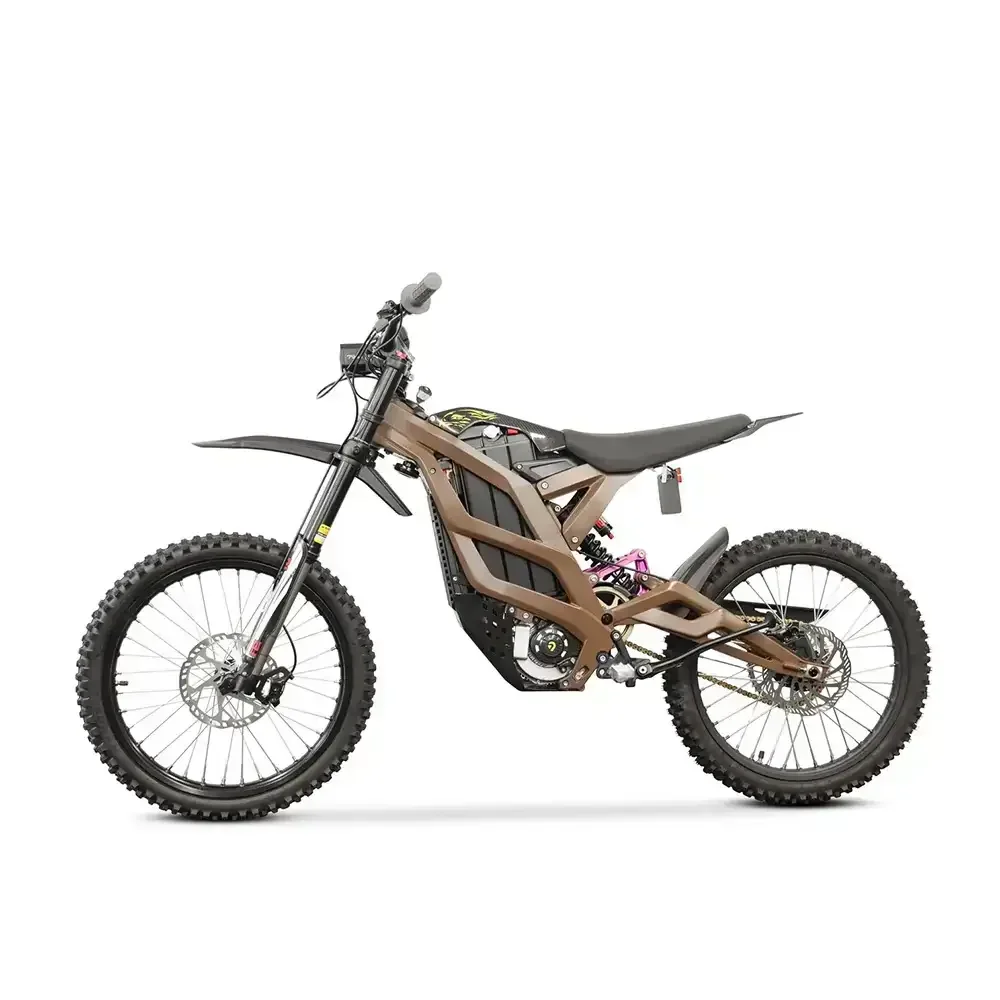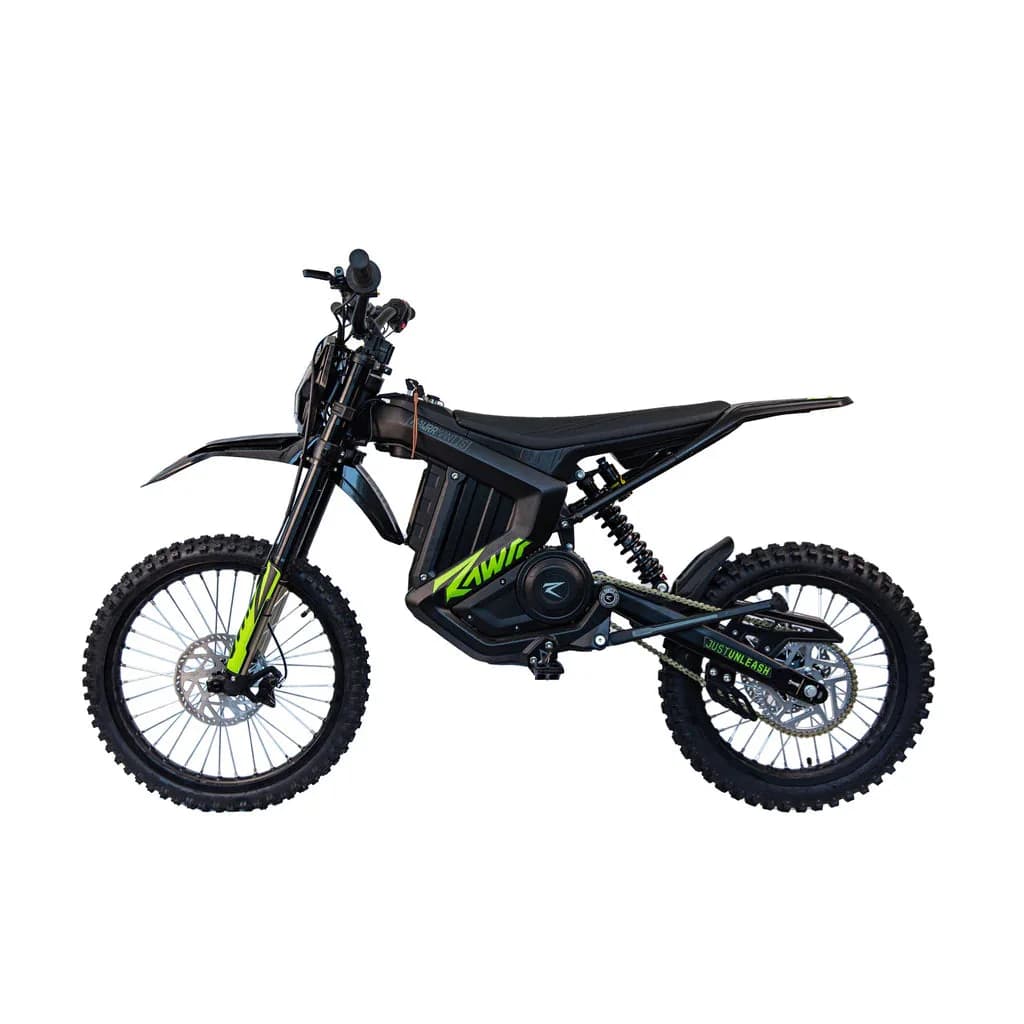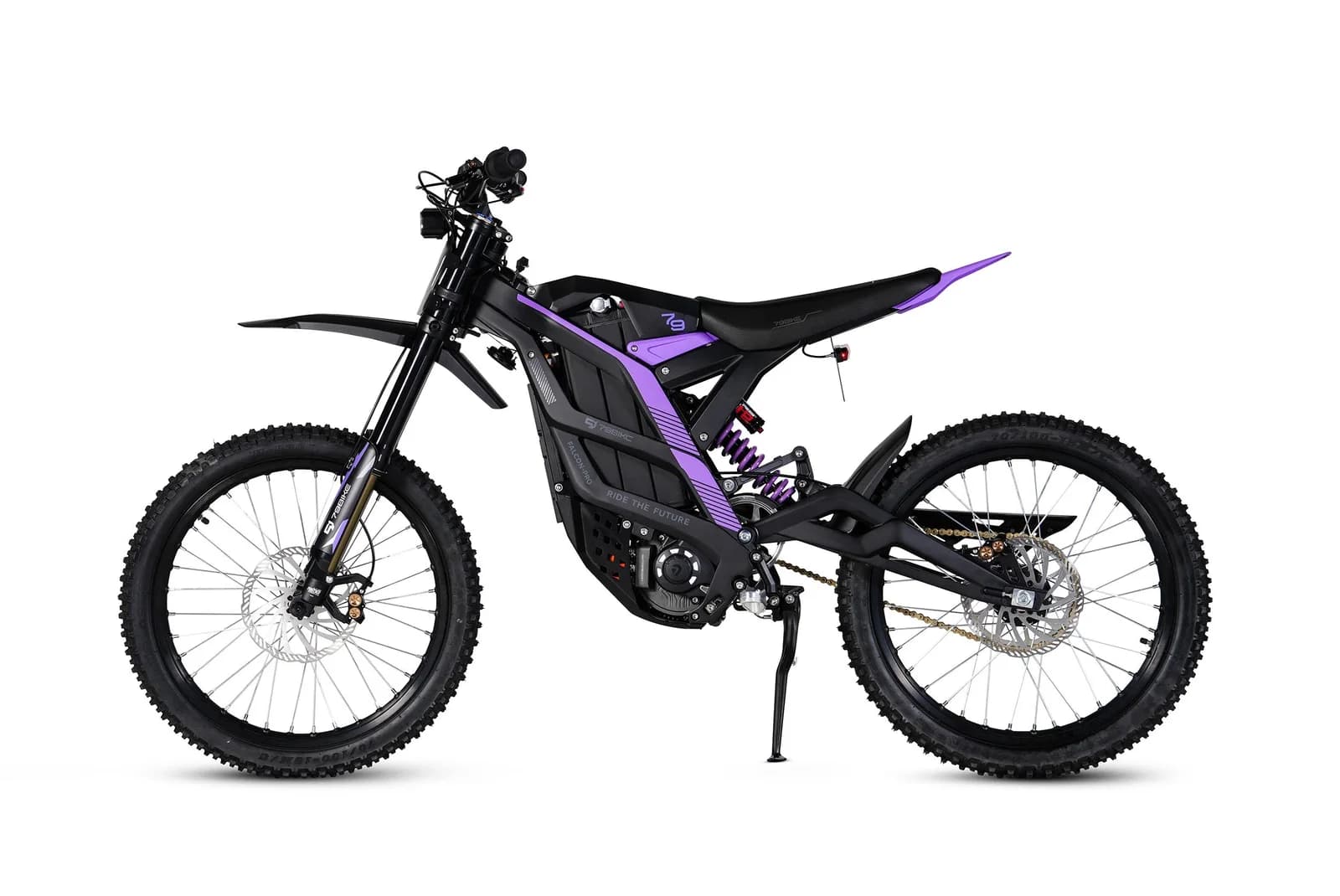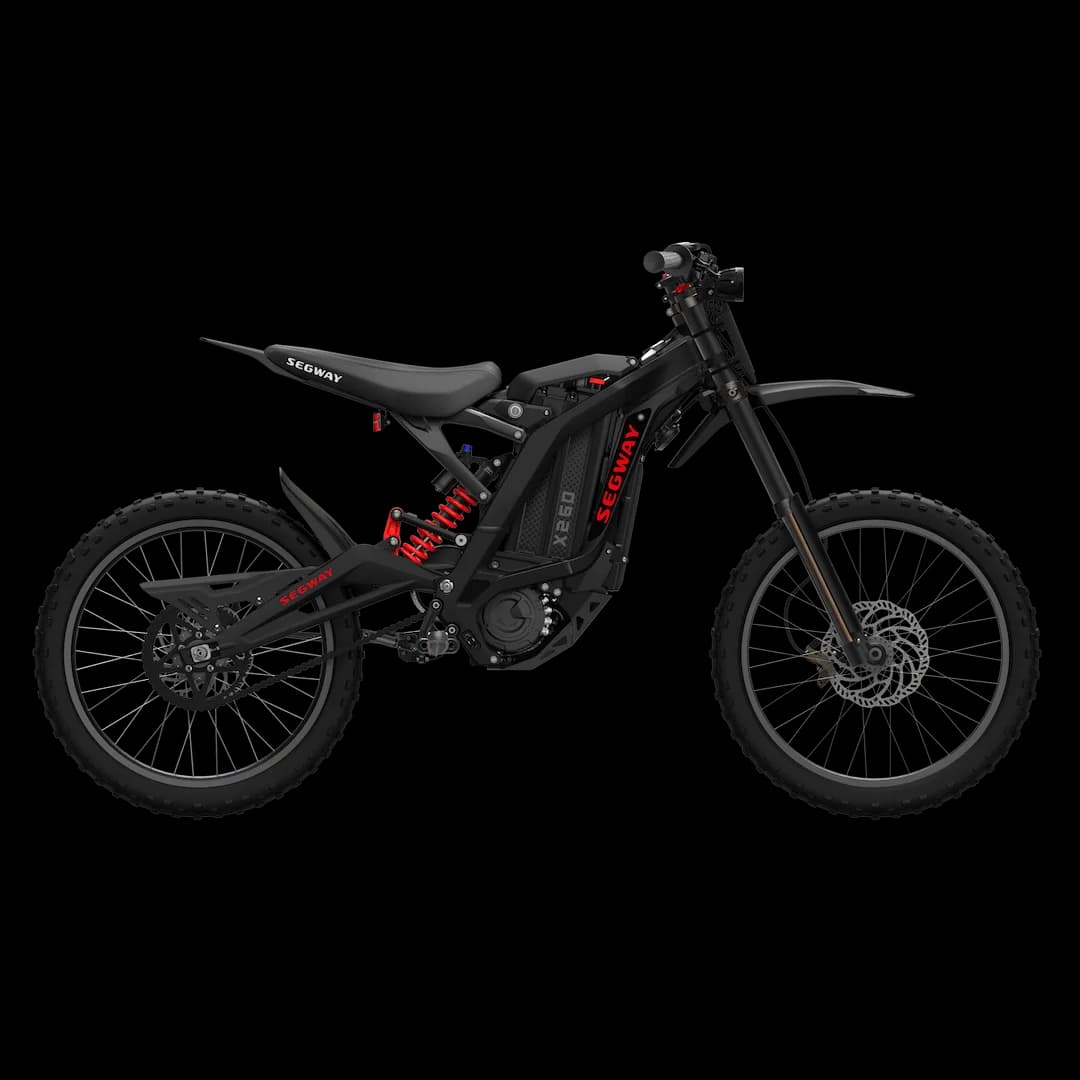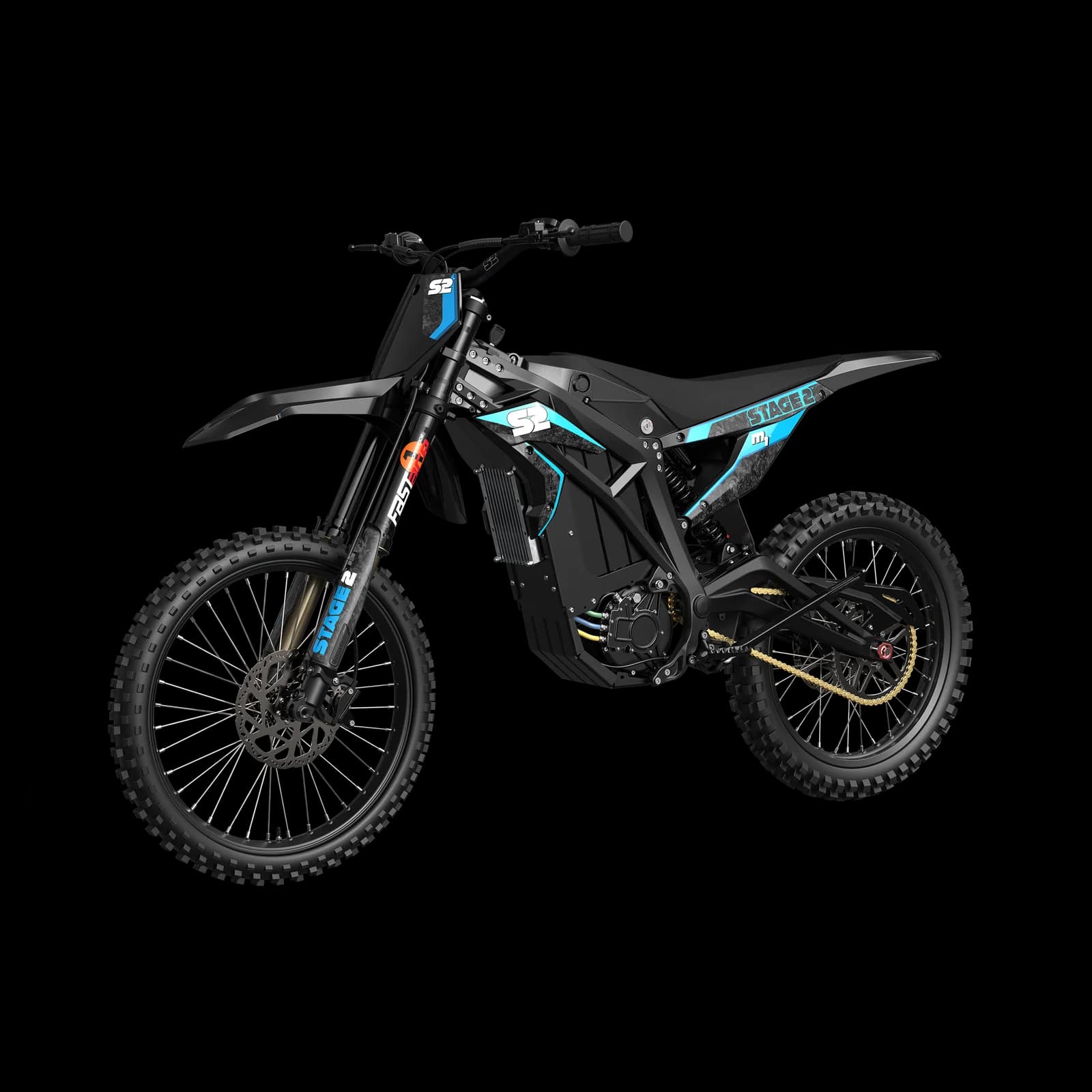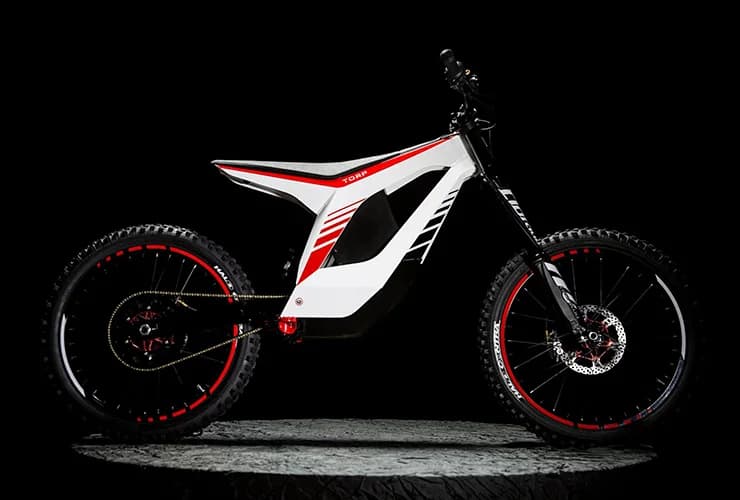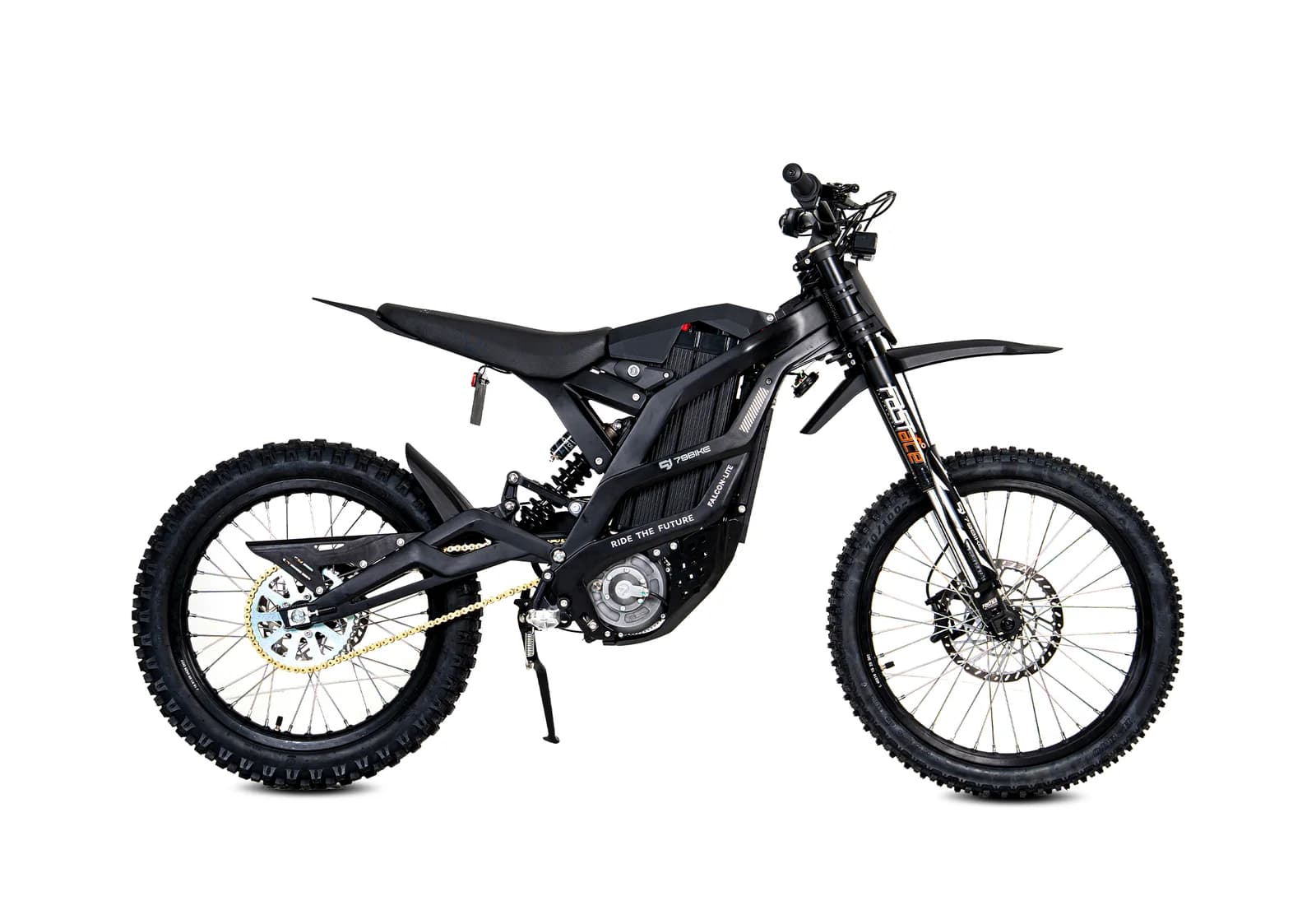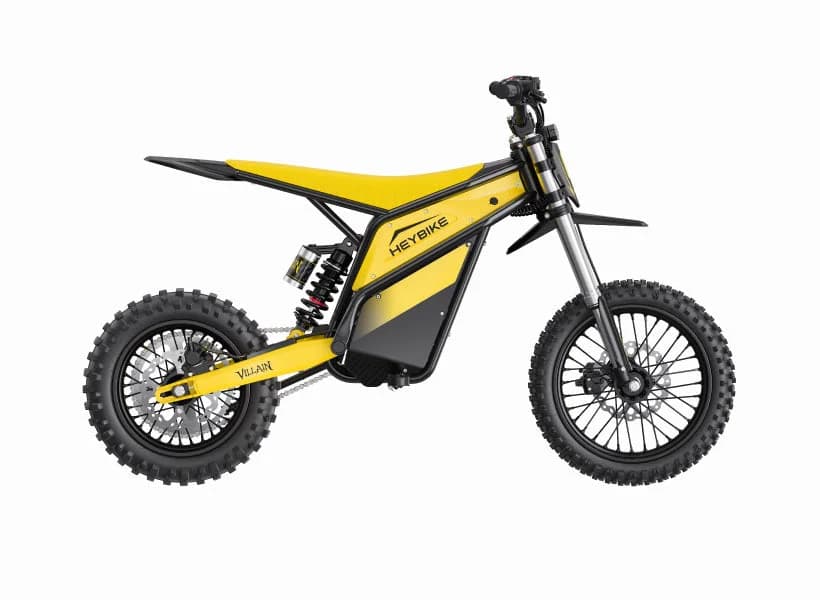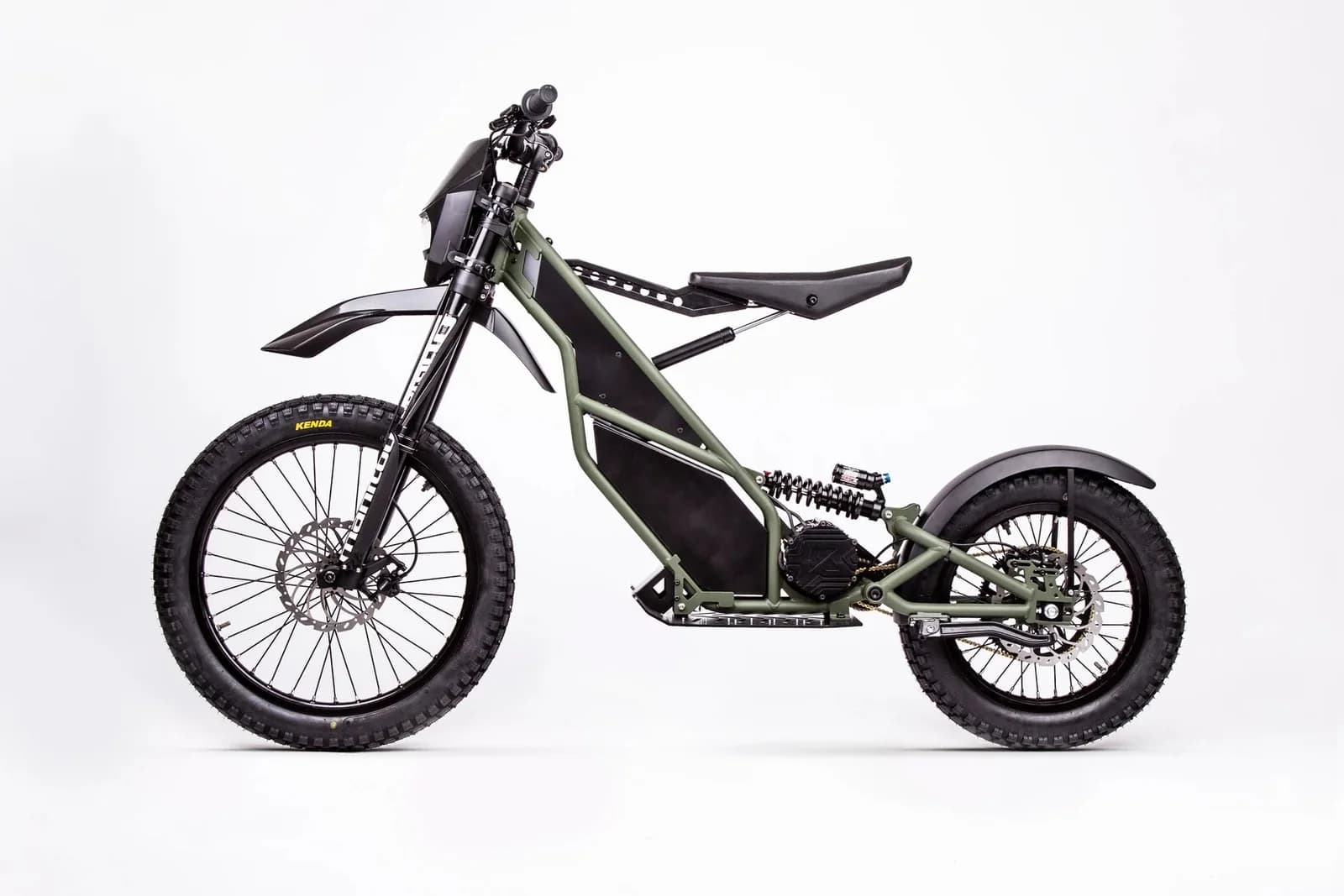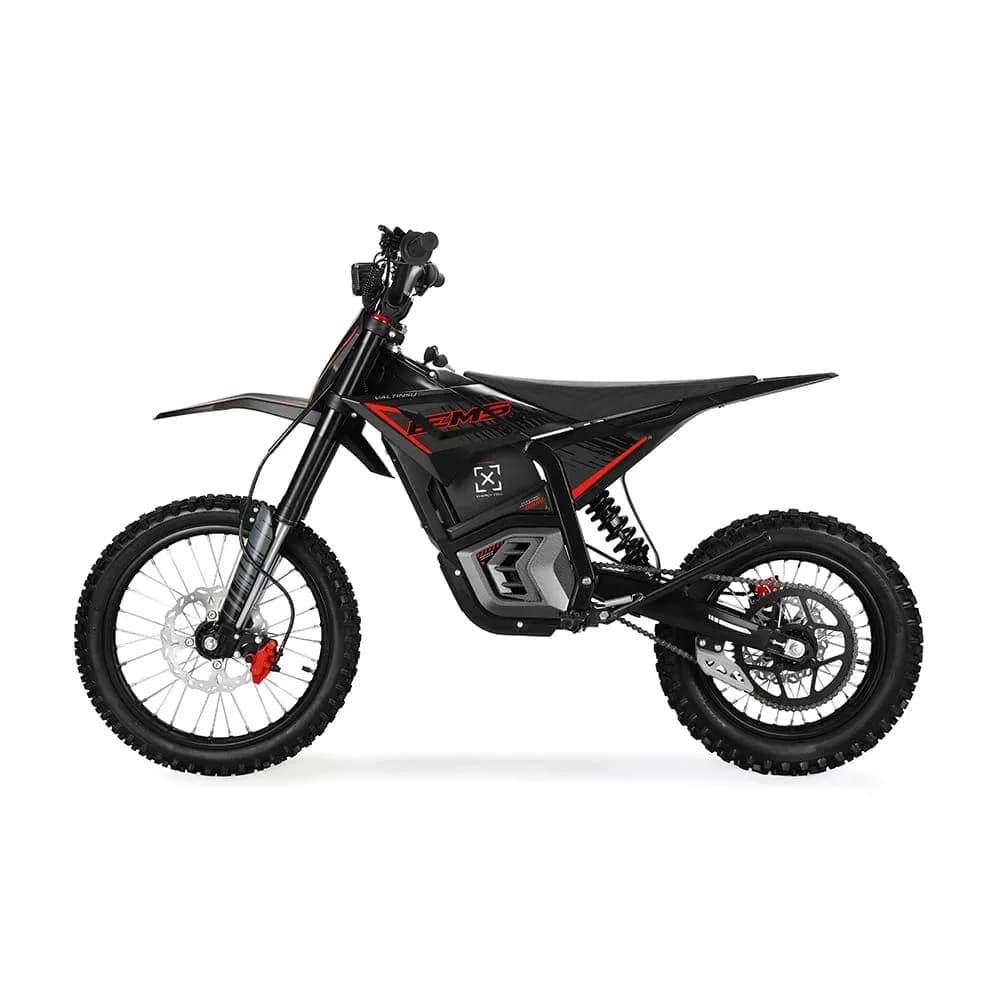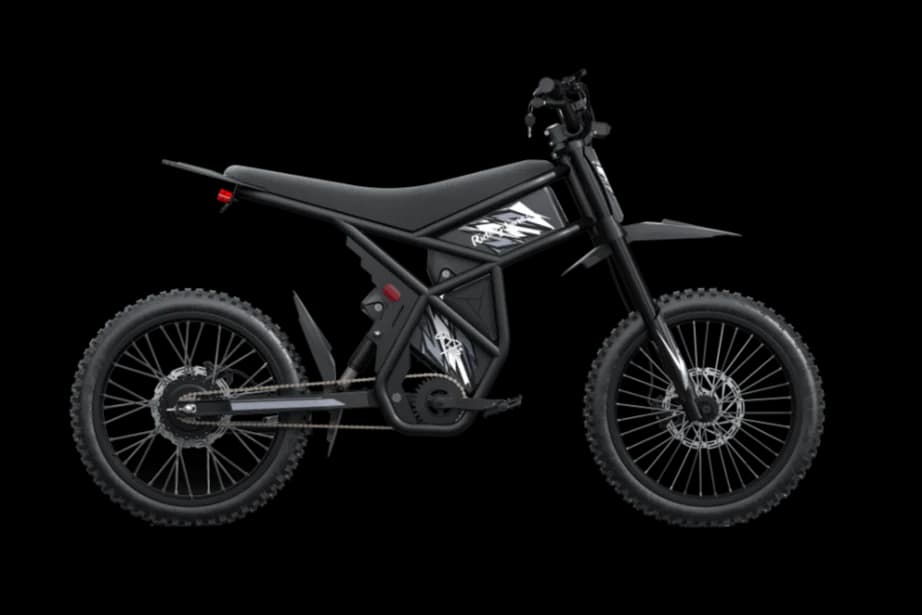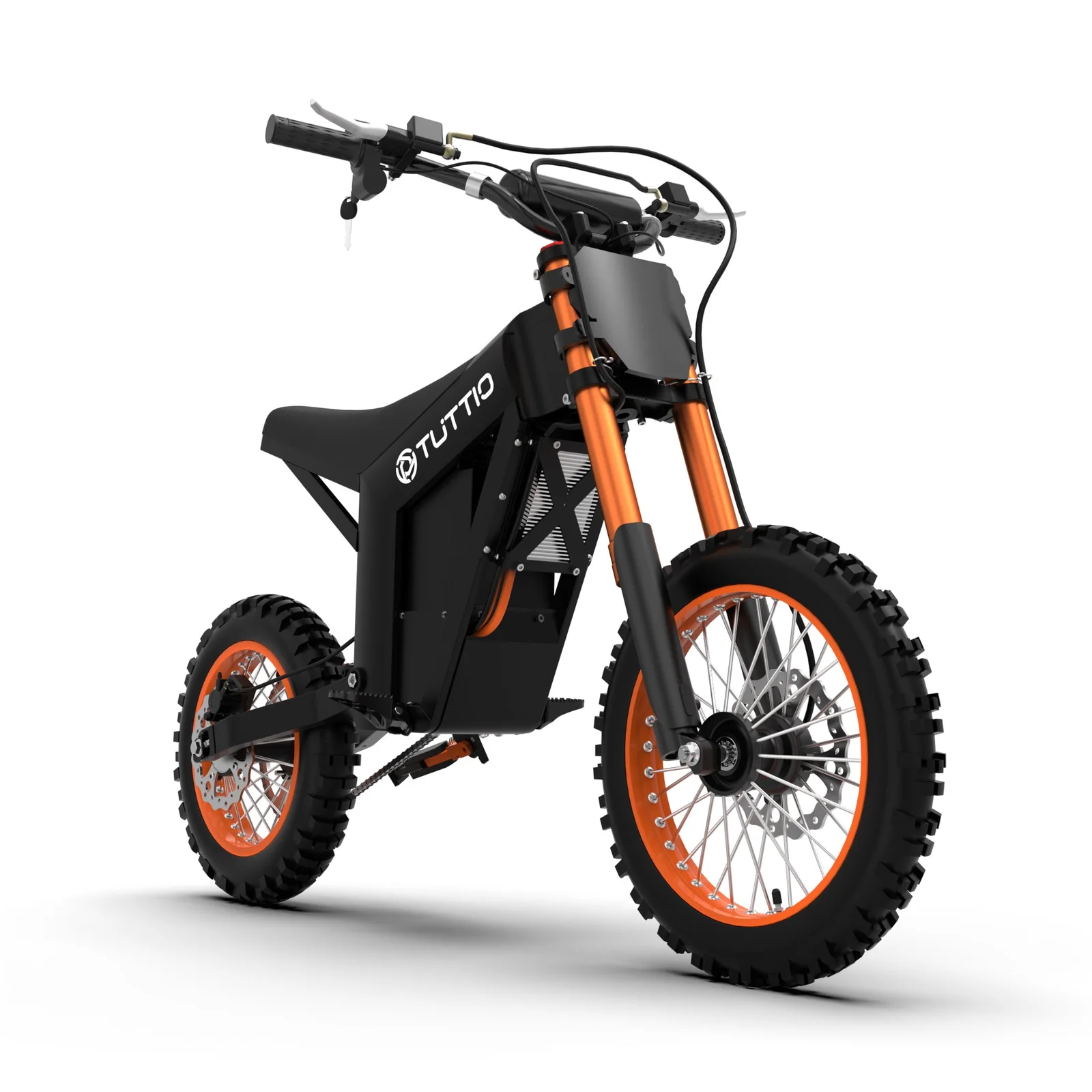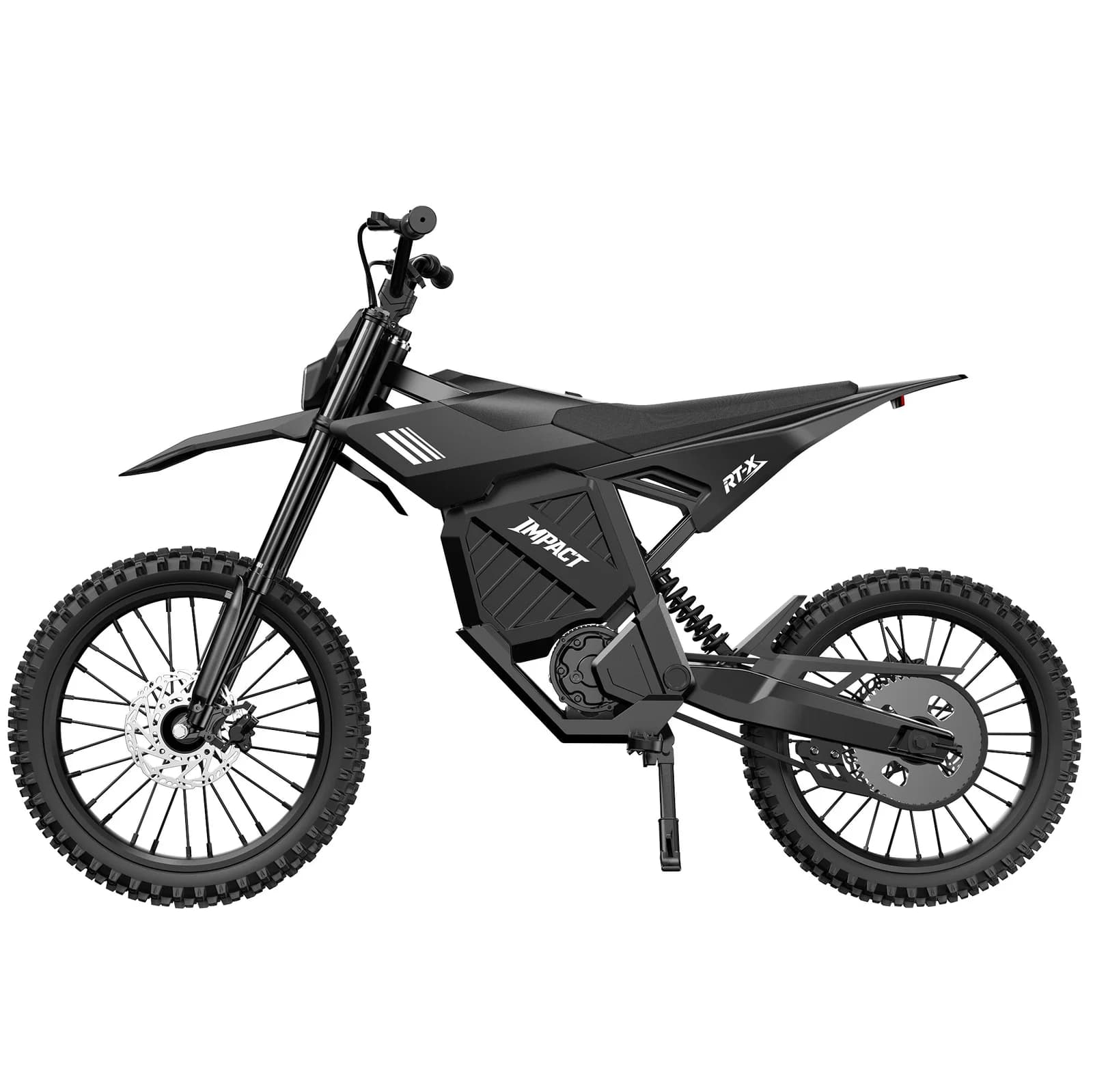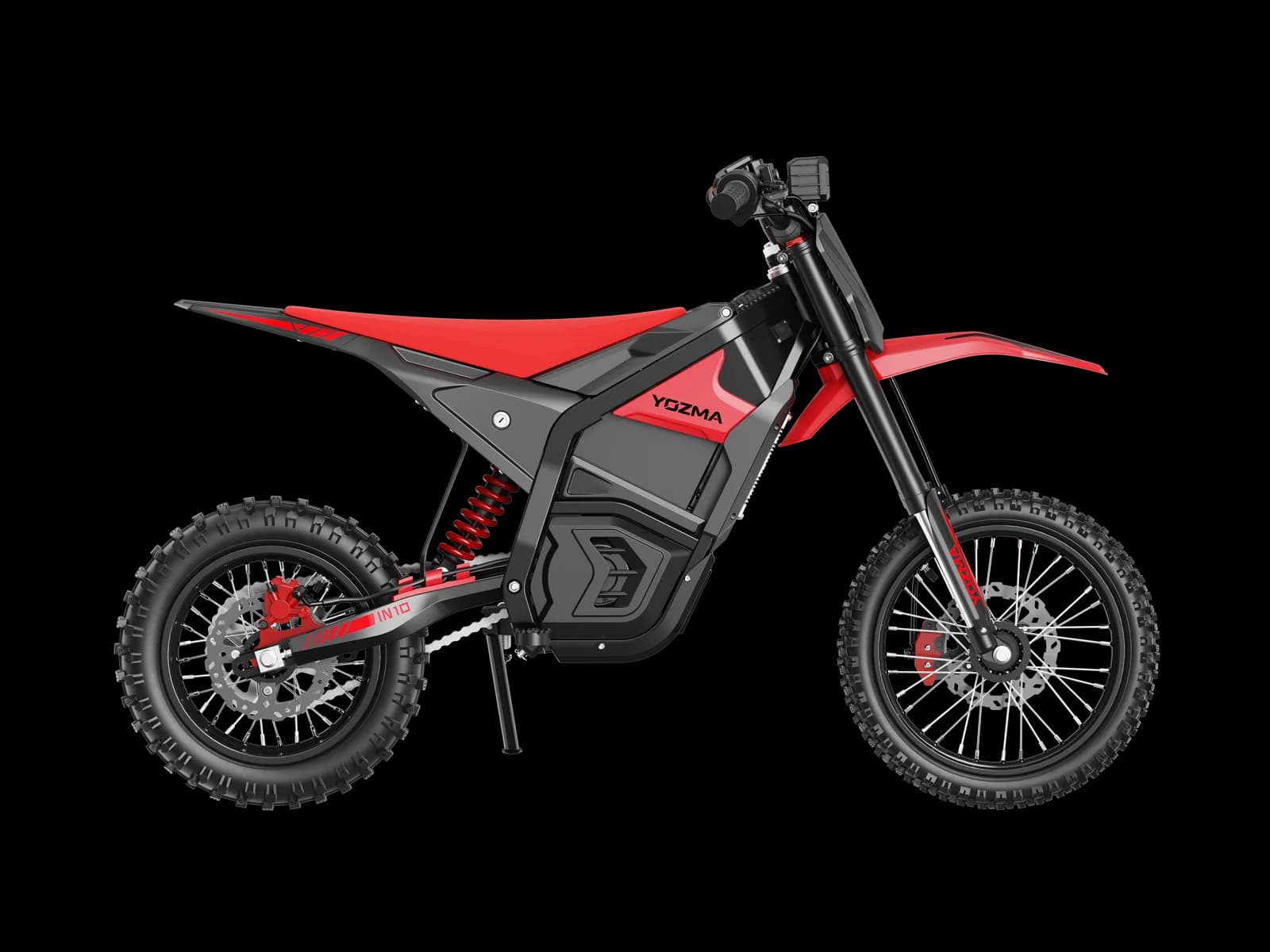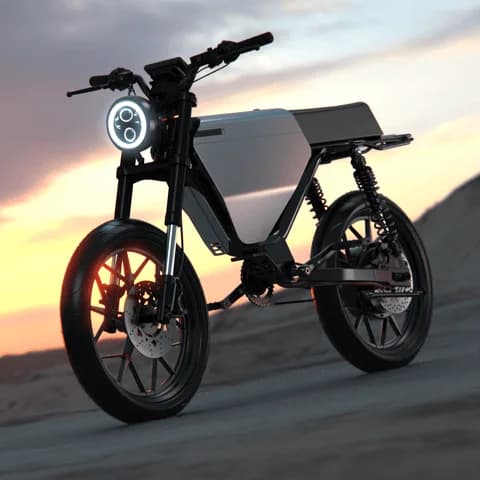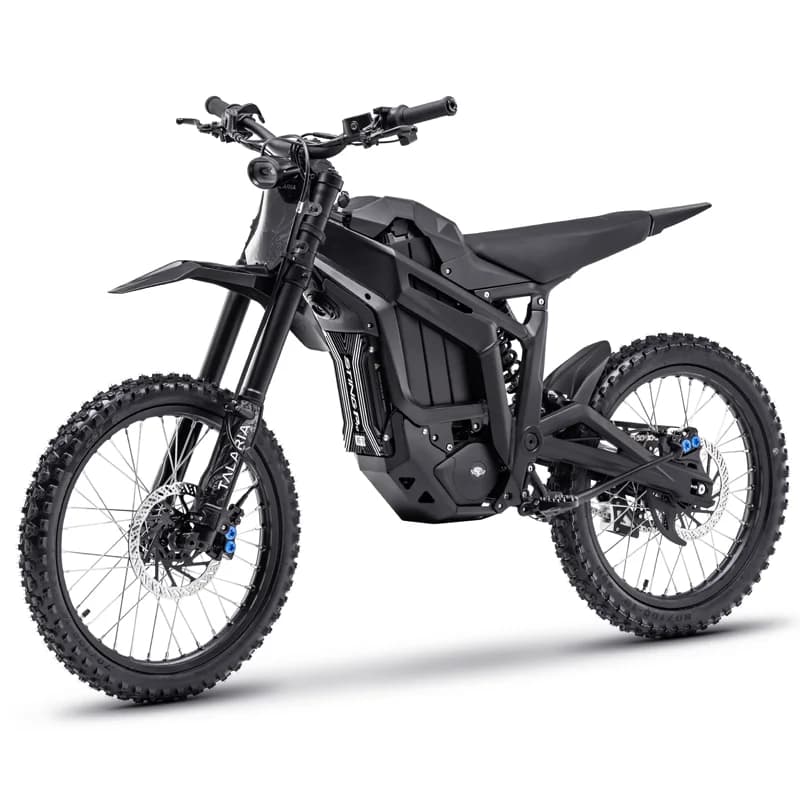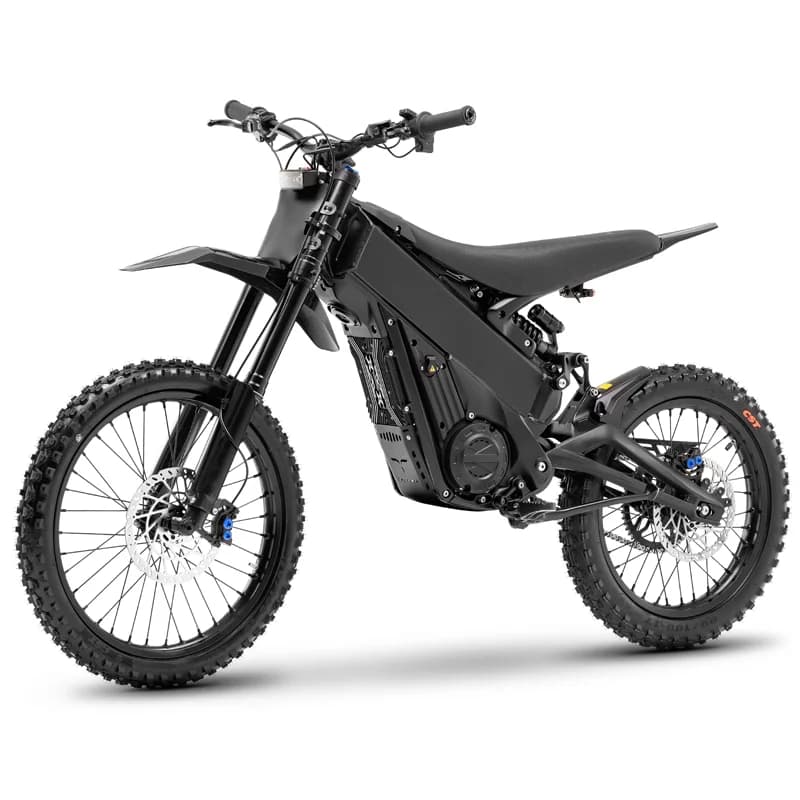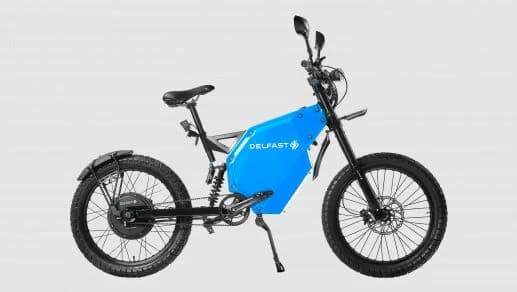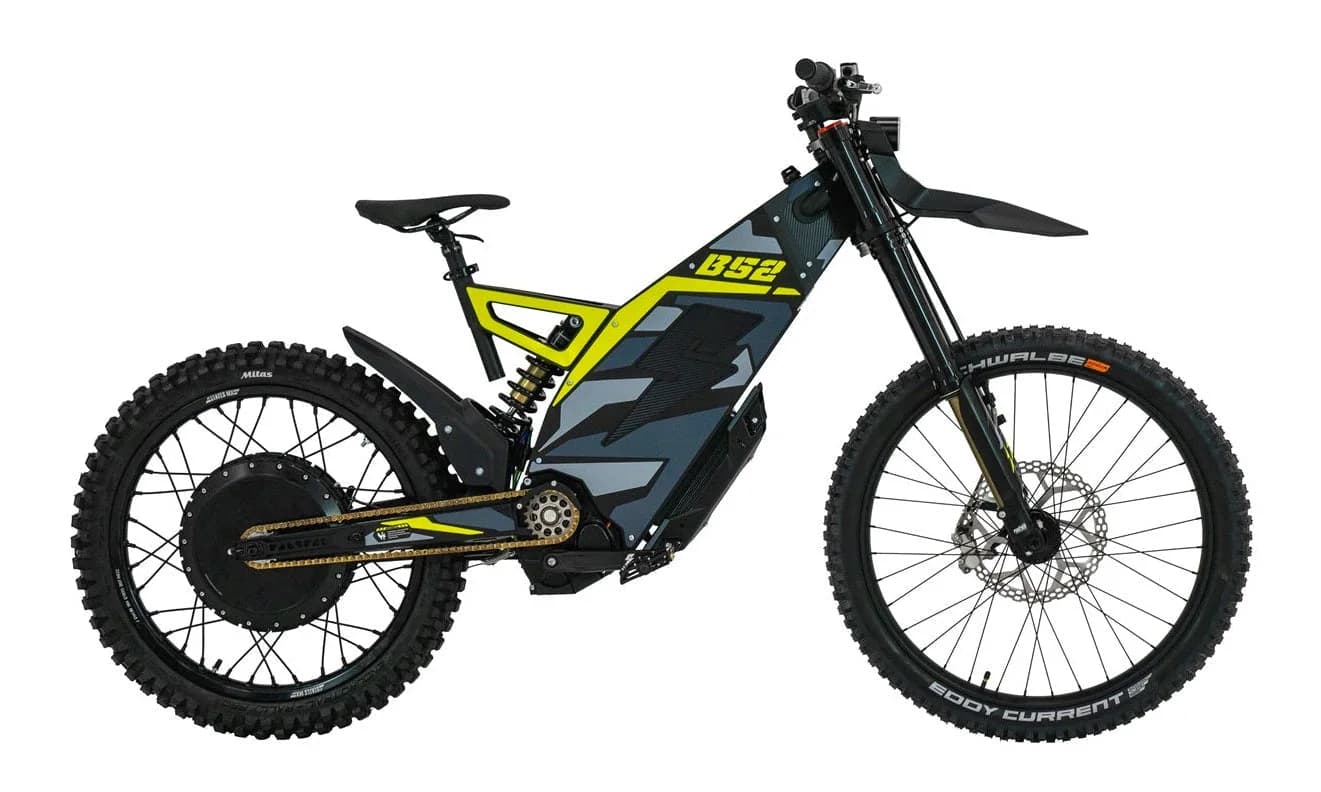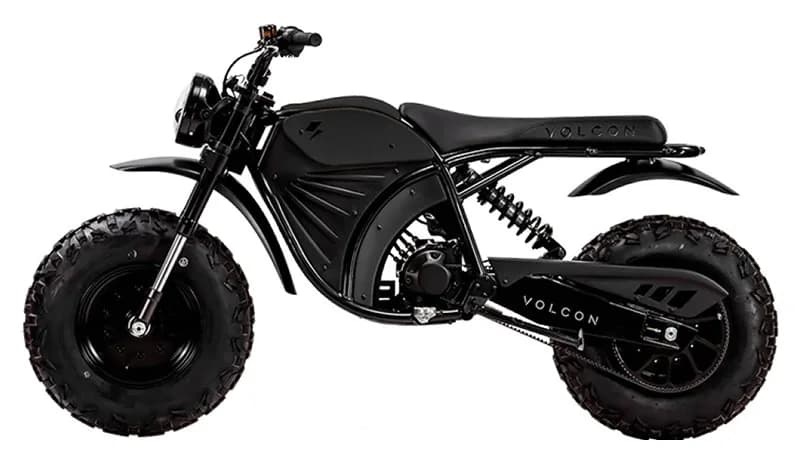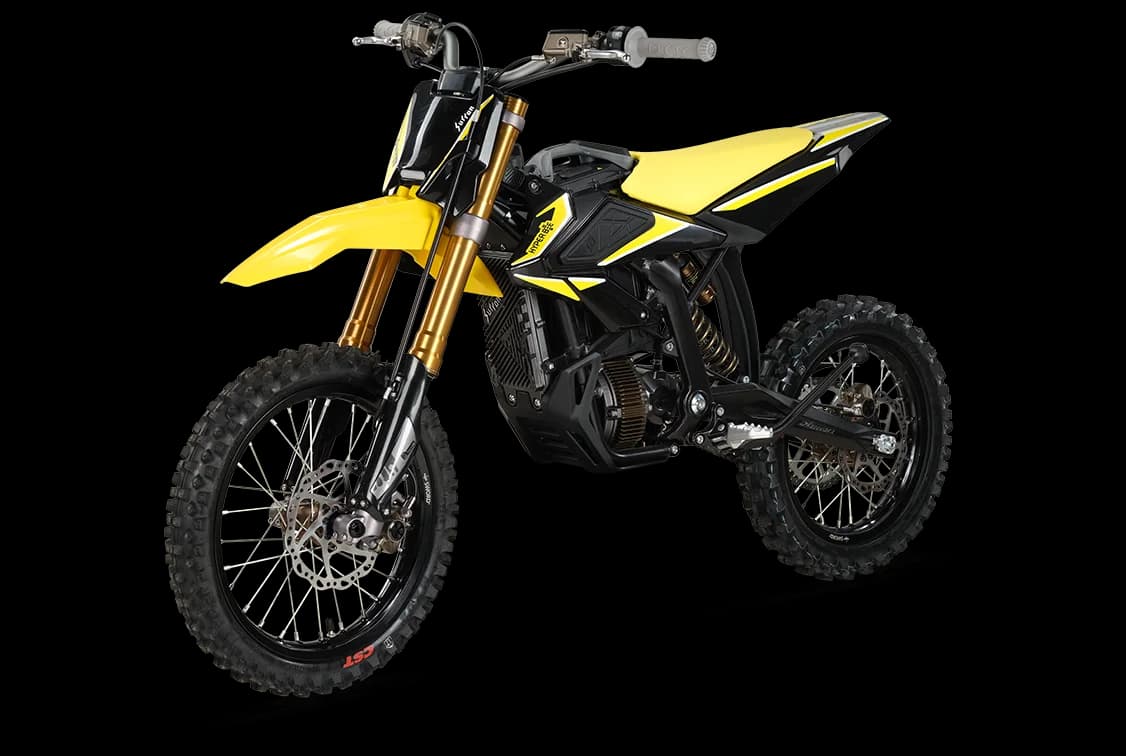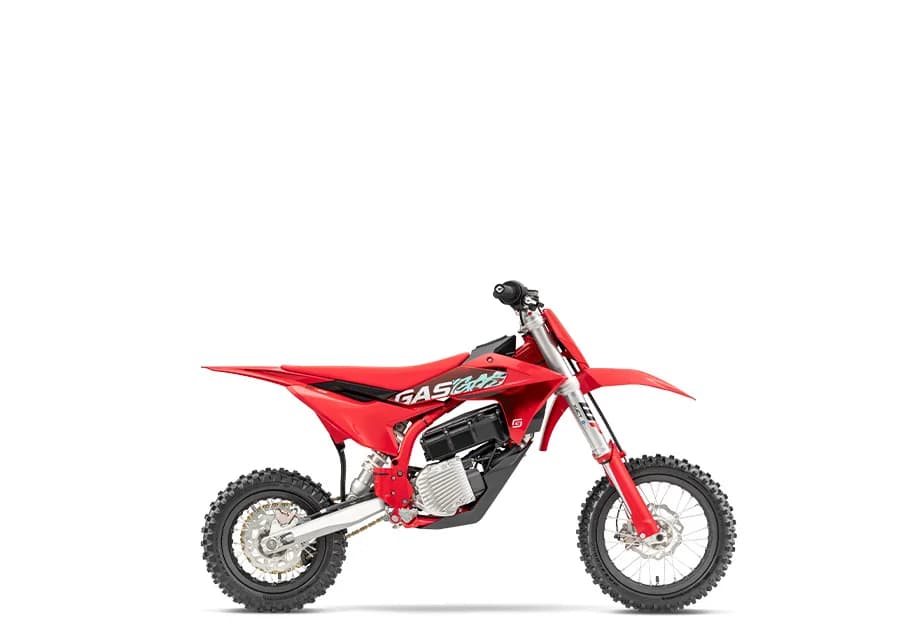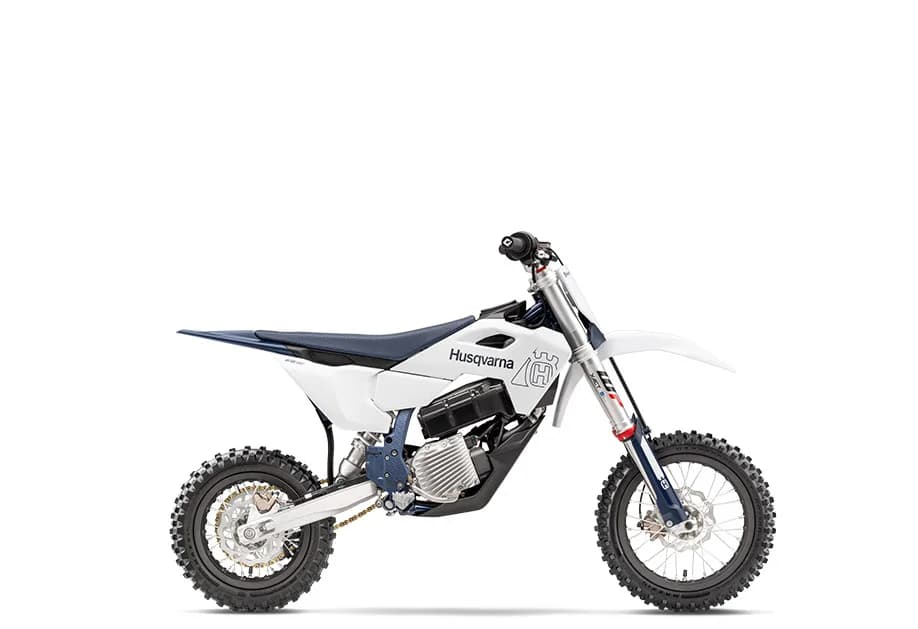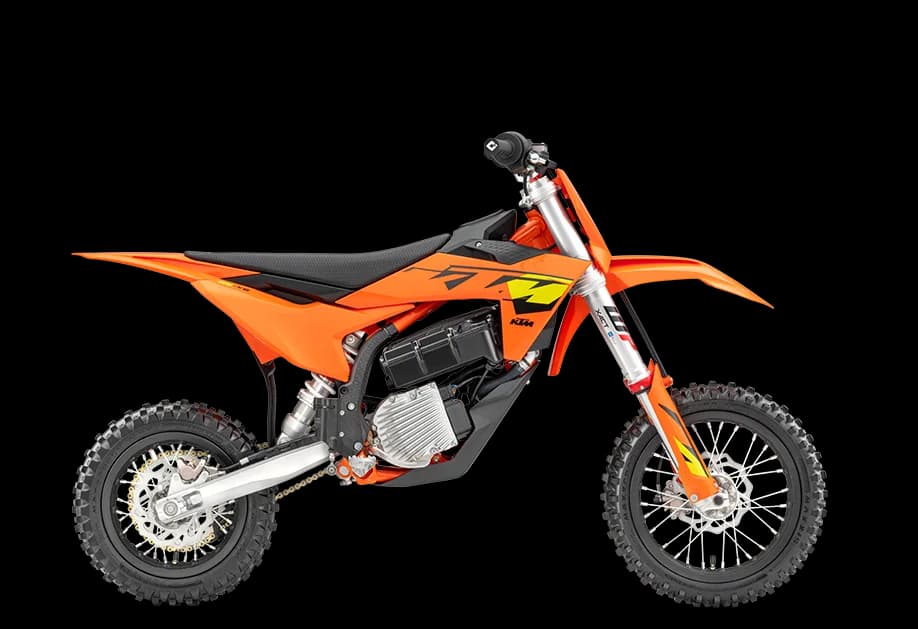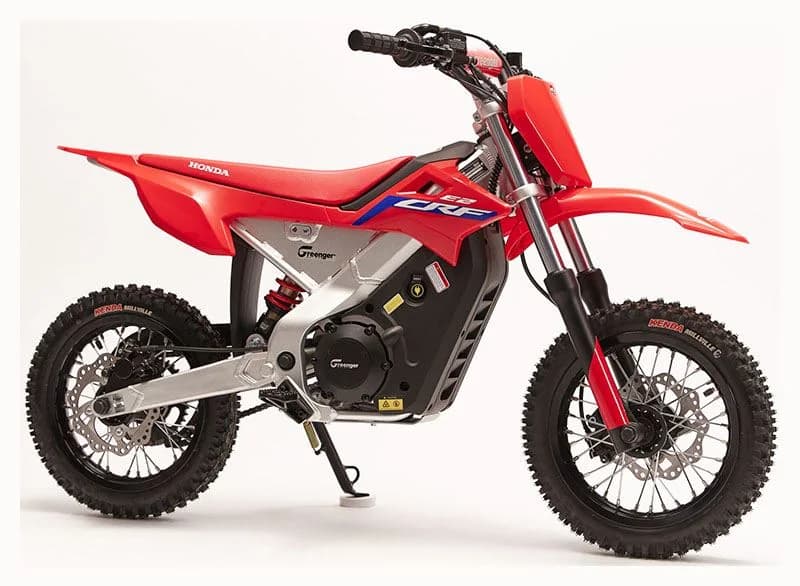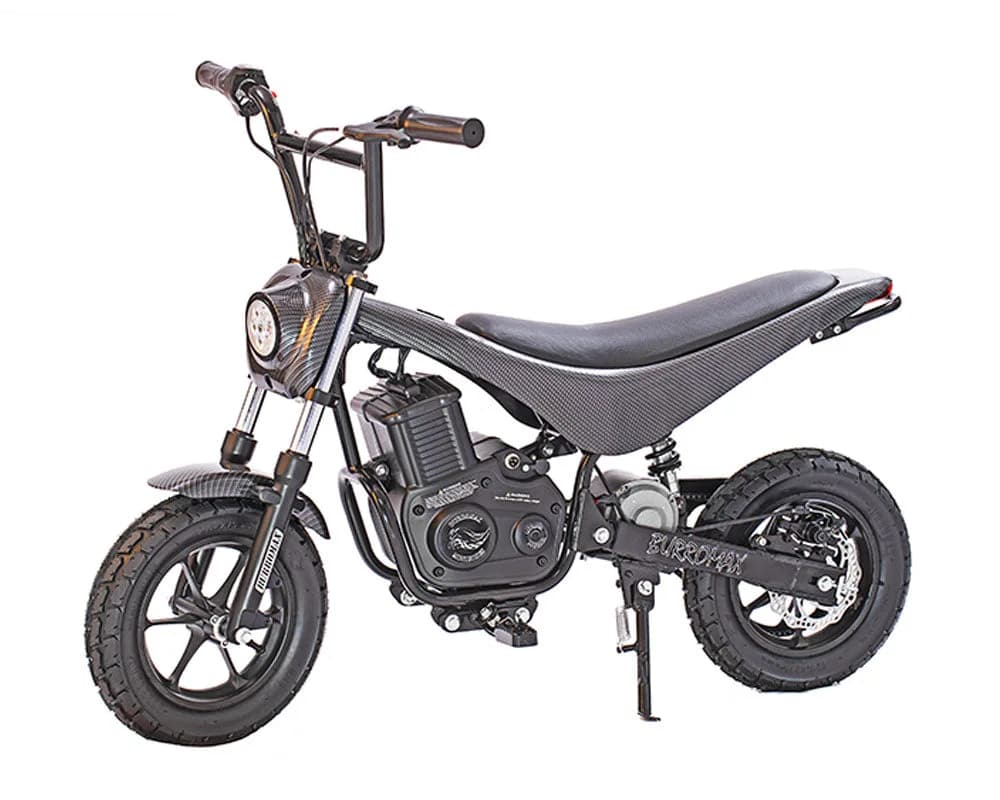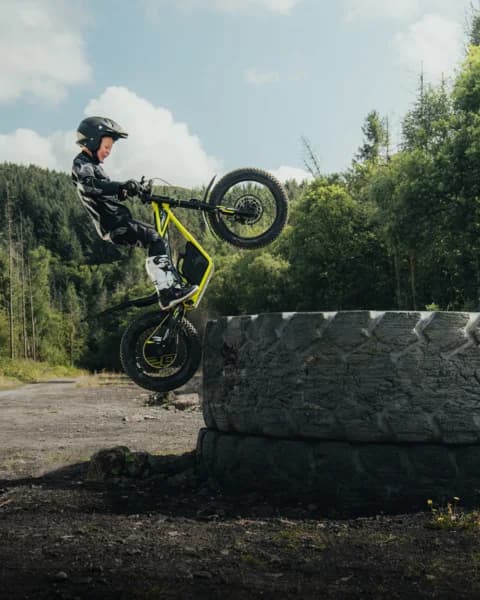
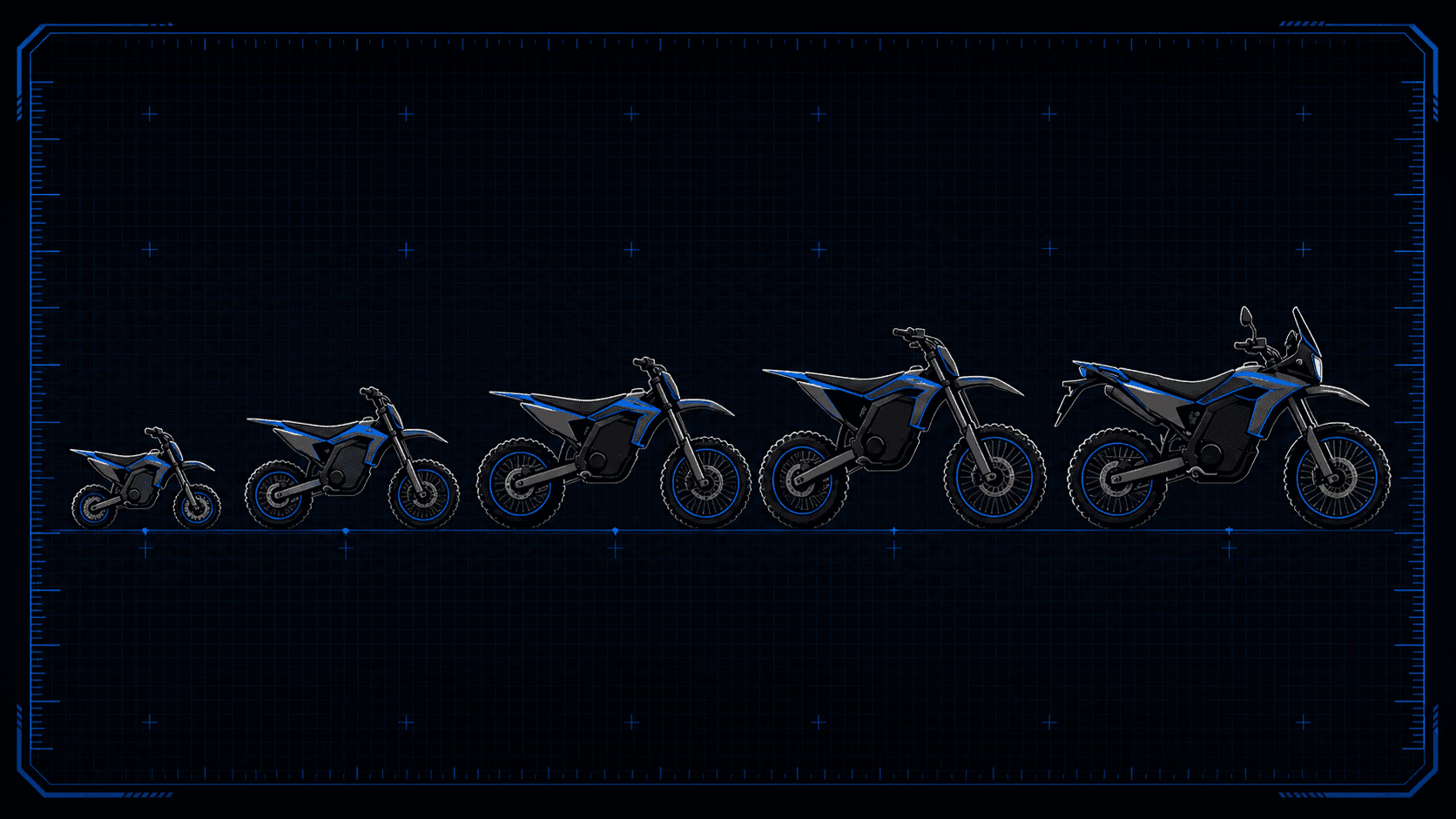
Sur-Ron Storm Bee
45 real / 75 claimed mi
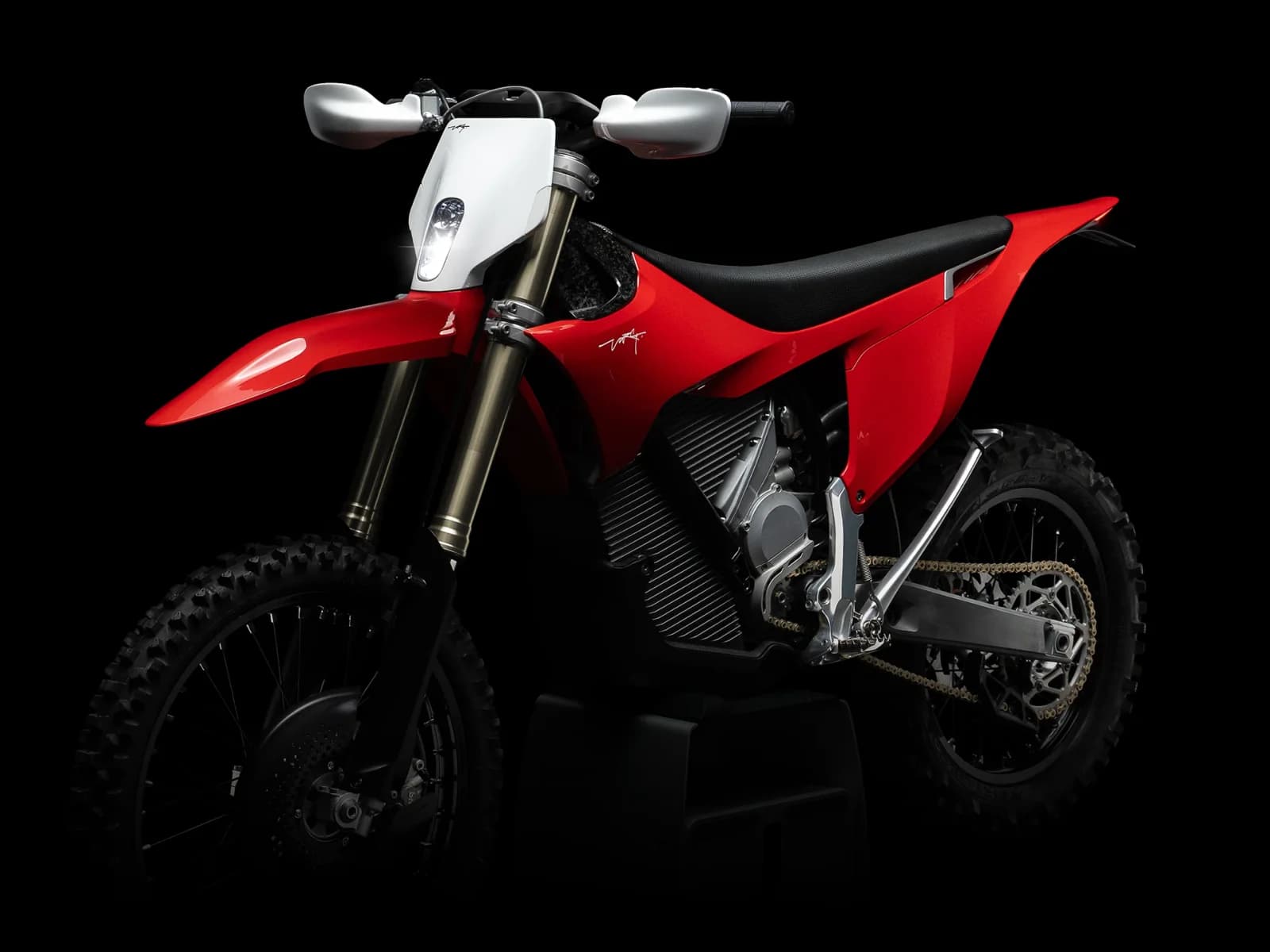
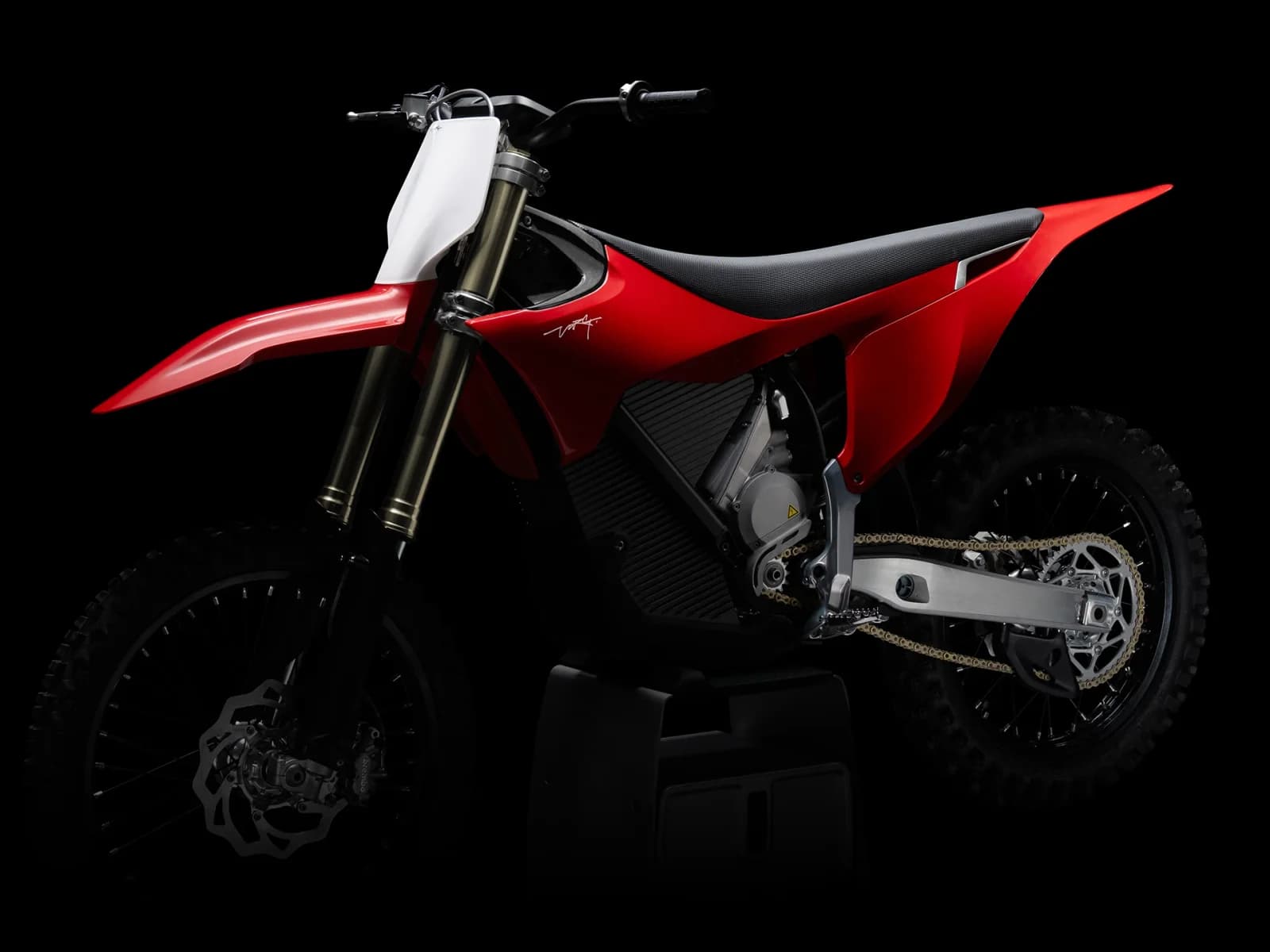
Stark Varg MX 1.2
35 real / 50 claimed mi
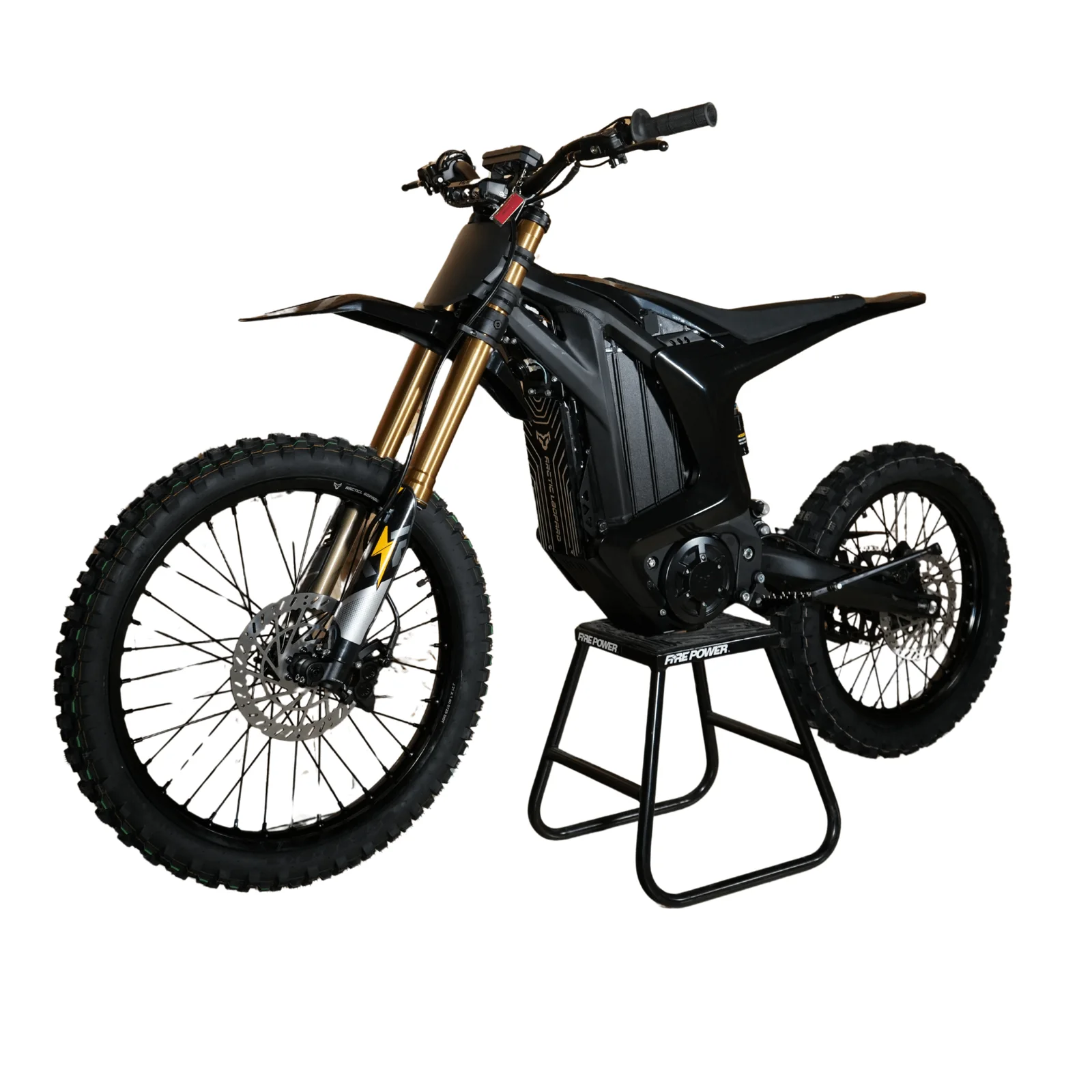
Volcon Grunt EVO
45 real / 70 claimed mi
Onyx RCR
45 real / 130 claimed mi
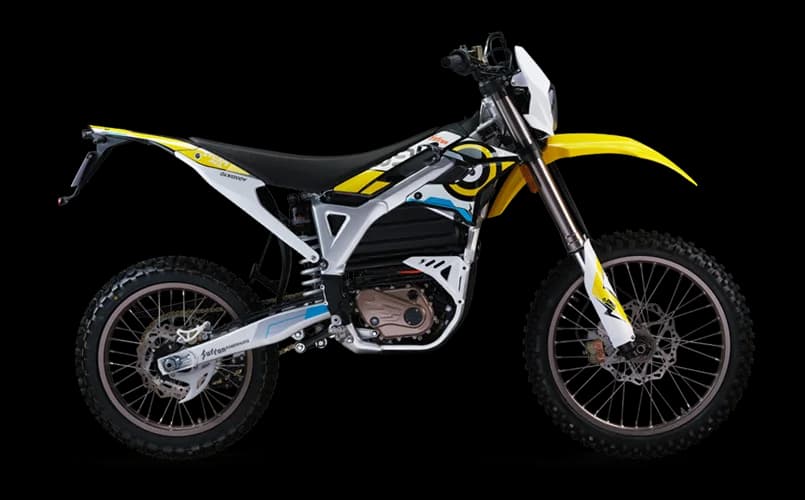
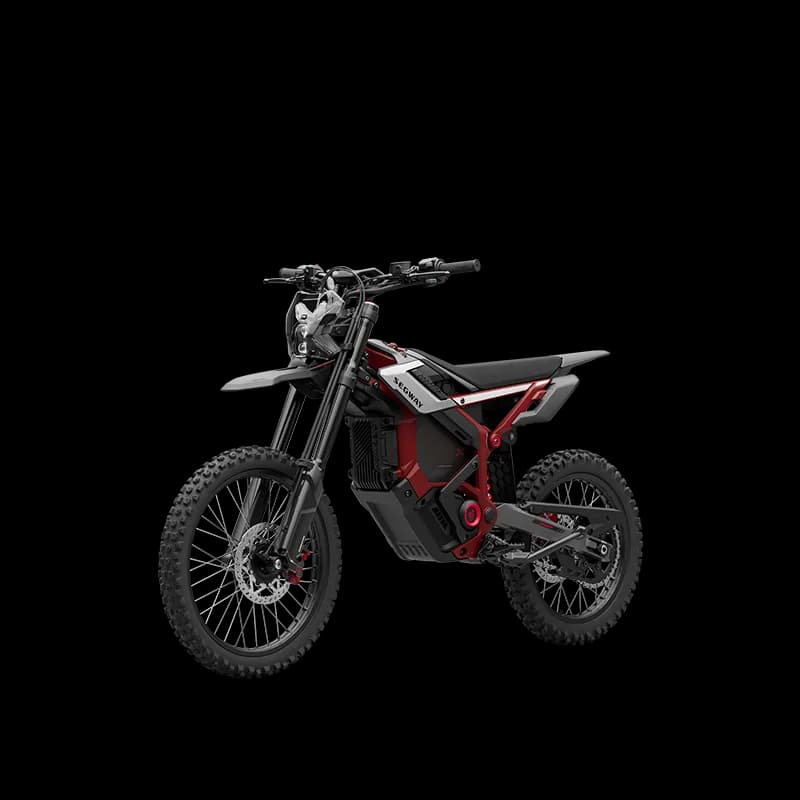
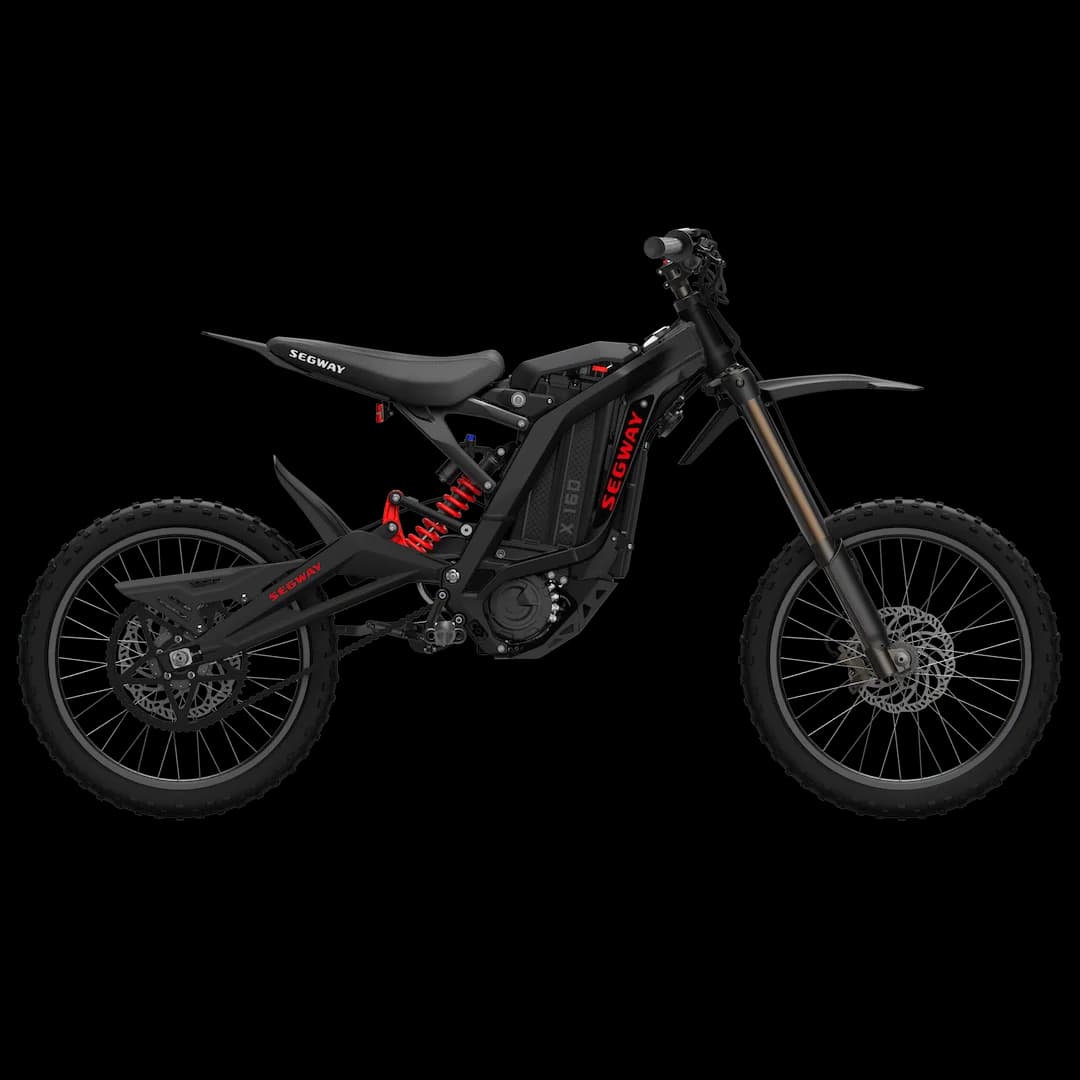
Segway Dirt eBike X160
22 real / 40 claimed mi
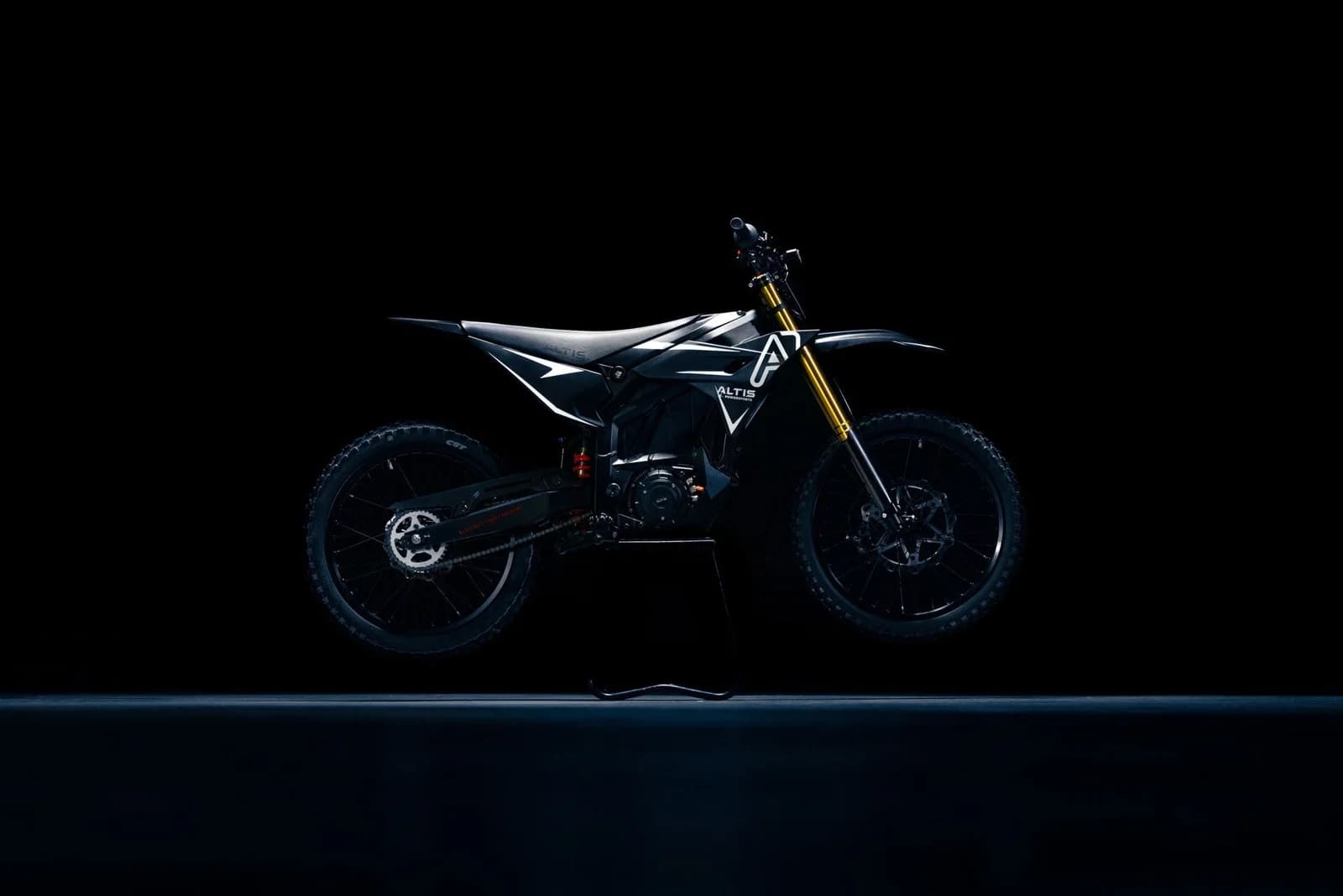
Altis Sigma
35 real / 50 claimed mi
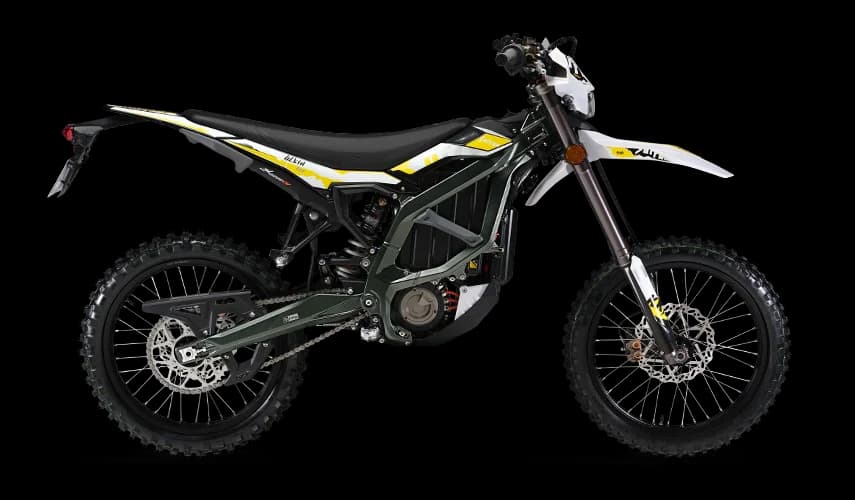
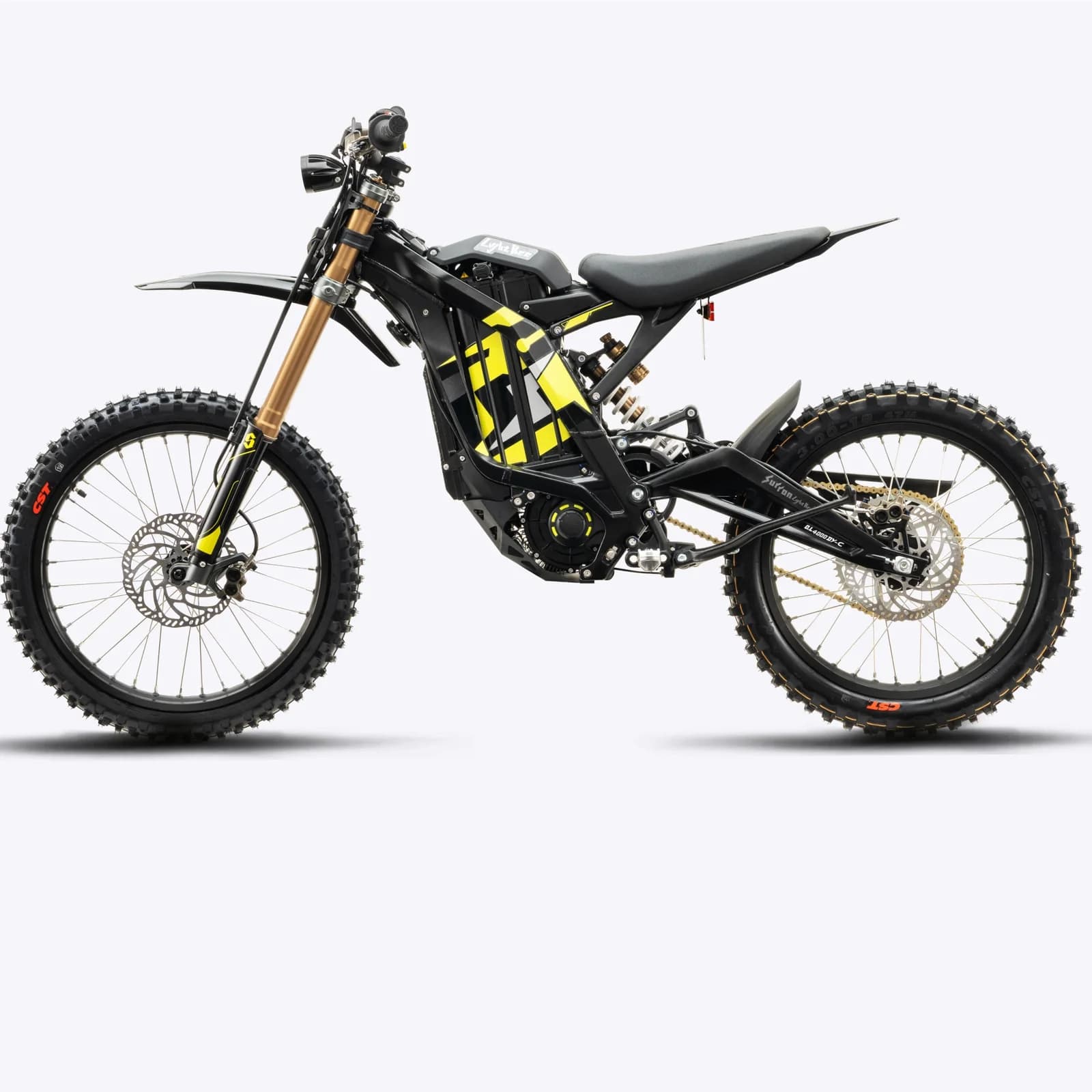
Sur-Ron Light Bee X
30 real / 47 claimed mi
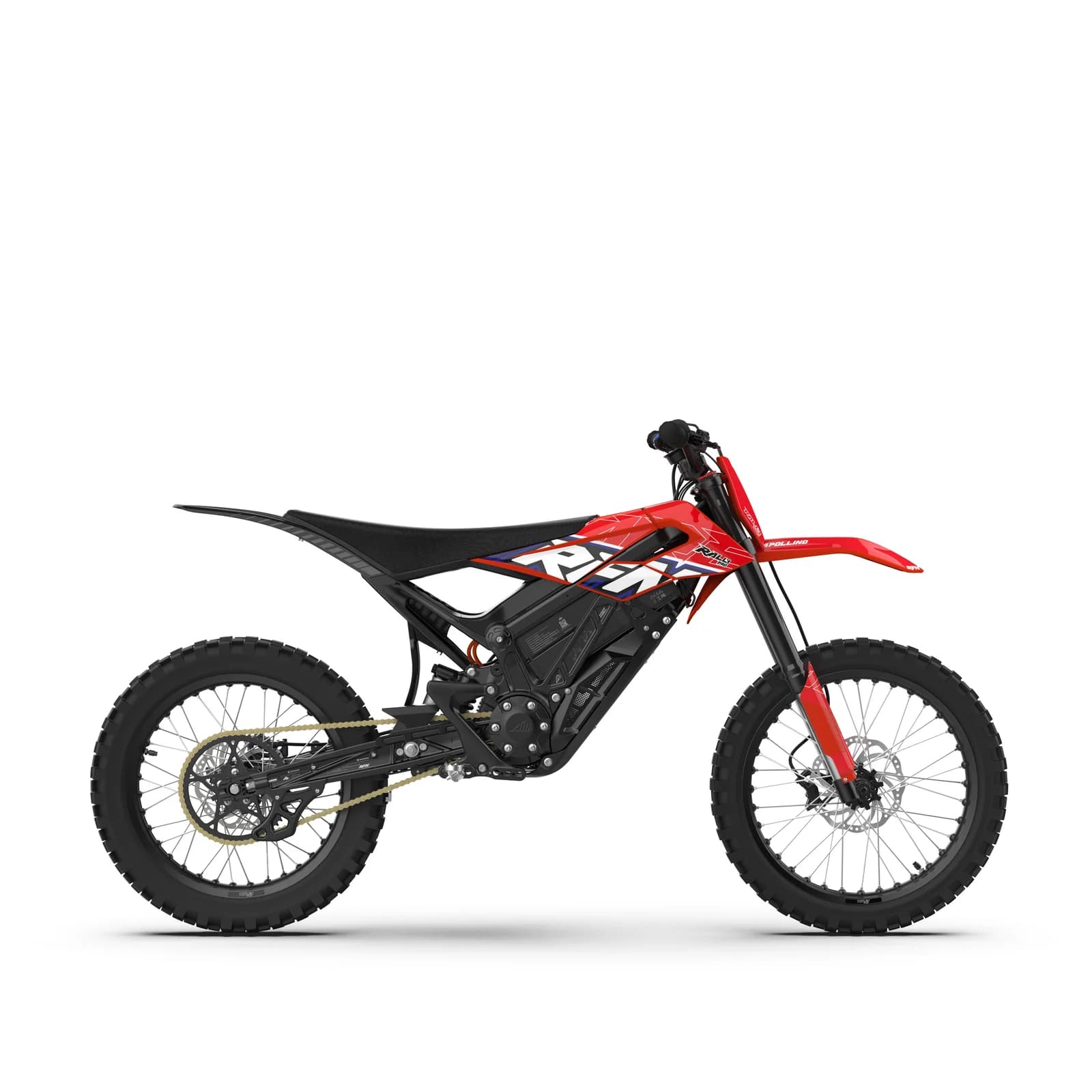
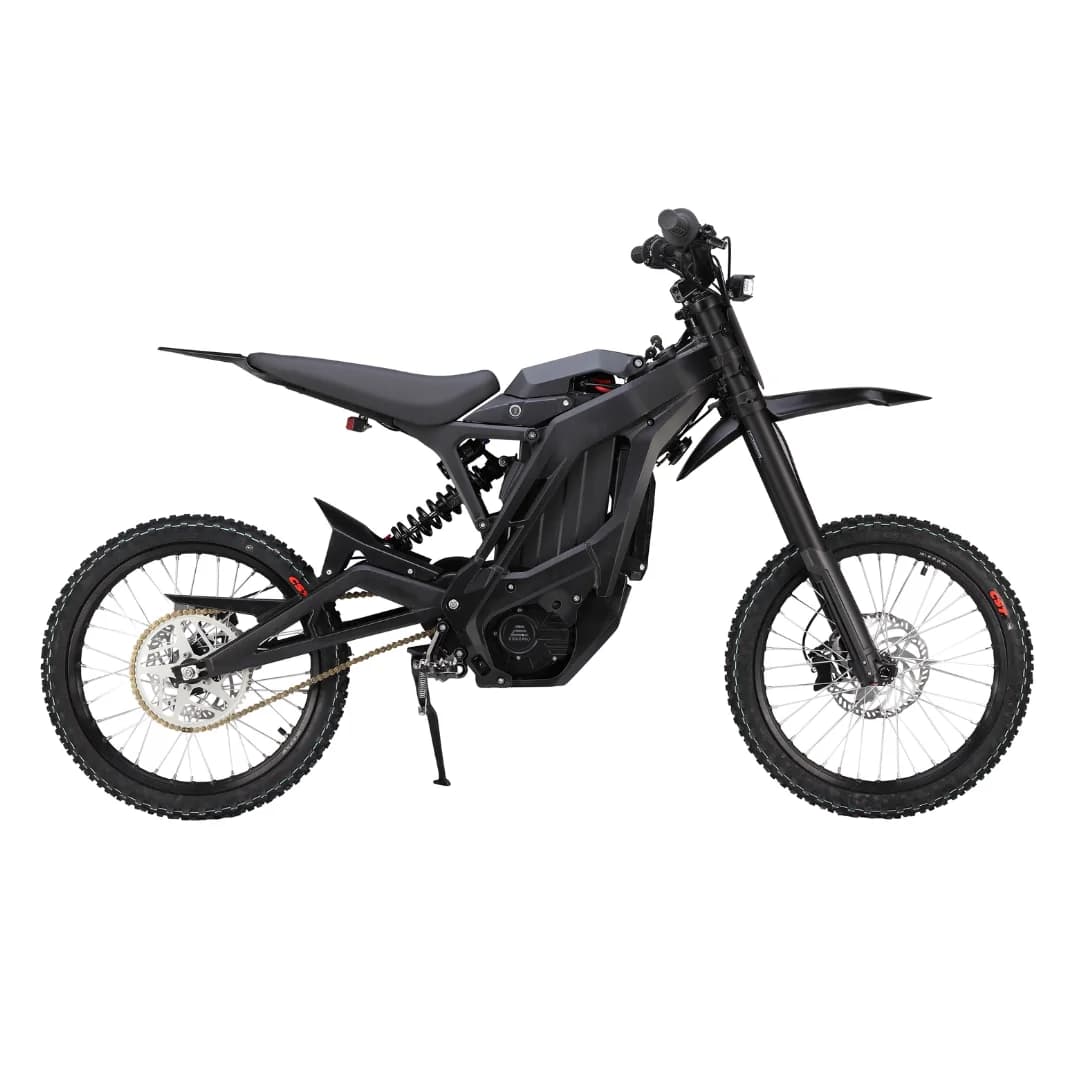
Apollo (RFN) RFN Ares Rally Pro
40 real / 90 claimed mi
An electric dirt bike is a throttle-powered, pedal-free off-road motorcycle that runs on a battery instead of gas — quiet, instant-torque, and low-maintenance. The class runs from 14 mph kids' bikes to 75 mph full-size race machines, with claim-side speed outliers like the Altis Sigma above that. The one thing almost all of them share: as sold, they are not street-legal — they're built for private land and designated off-highway (OHV) areas. This guide covers how they work, what they cost, and exactly how to choose, backed by the VoltRipper Score across the 40-plus models we track.
Quick picks (2026)
| If you want… | Our pick | Why |
|---|---|---|
| The benchmark trail bike | Sur-Ron Light Bee X | Deepest aftermarket, light, proven |
| The best value | Talaria Sting MX5 Pro | 72V / 13.4 kW that out-specs the Light Bee X, ~$4,990 |
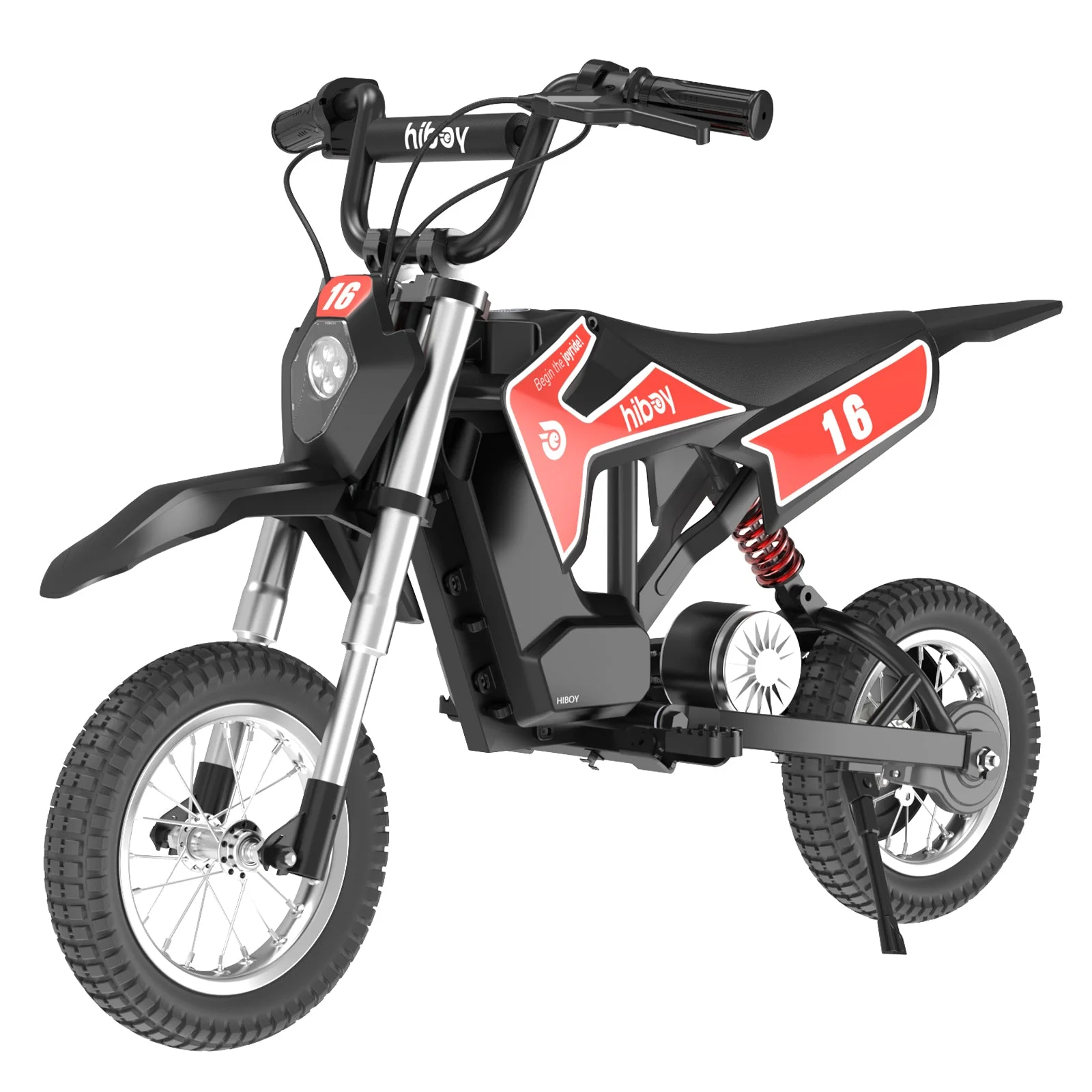
| A first bike for a young kid | Hiboy DK1 | Lithium, speed-limited, ages 3–10 |
| Maximum power | Stark Varg / Sur-Ron Storm Bee | Up to 80 hp / ~68 mph stock |
| Longest range | Onyx RCR | 3.6 kWh pack and ~45 real miles, tied for the best we track |
Not sure which fits you? The Find Your Ride configurator matches your budget, rider height, use case, and street-legal needs to a scored shortlist.
What counts as an "electric dirt bike"?
The term gets stretched, so here's the line we draw. An electric dirt bike (or "e-moto" in the Sur-Ron class) has a throttle, no pedals, off-road tires, and a multi-thousand-watt motor. That distinguishes it from two neighbors buyers confuse it with:
- Electric bicycles (e-bikes) have pedals and are capped at 750W / 20–28 mph to stay street-legal. Fat-tire "moto-style" e-bikes (Super73, Segway Xyber) look the part but are legally bicycles.
- Street electric motorcycles (Zero, LiveWire, Ryvid) are DOT-homologated, plated, freeway-capable machines sold through dealers.
Electric dirt bikes sit in between: motorcycle-grade performance, bicycle-adjacent size, and — critically — off-road legal status.
The five classes
Electric dirt bikes span a wide range. We sort the catalog into five classes so you can shop by what actually fits the rider:
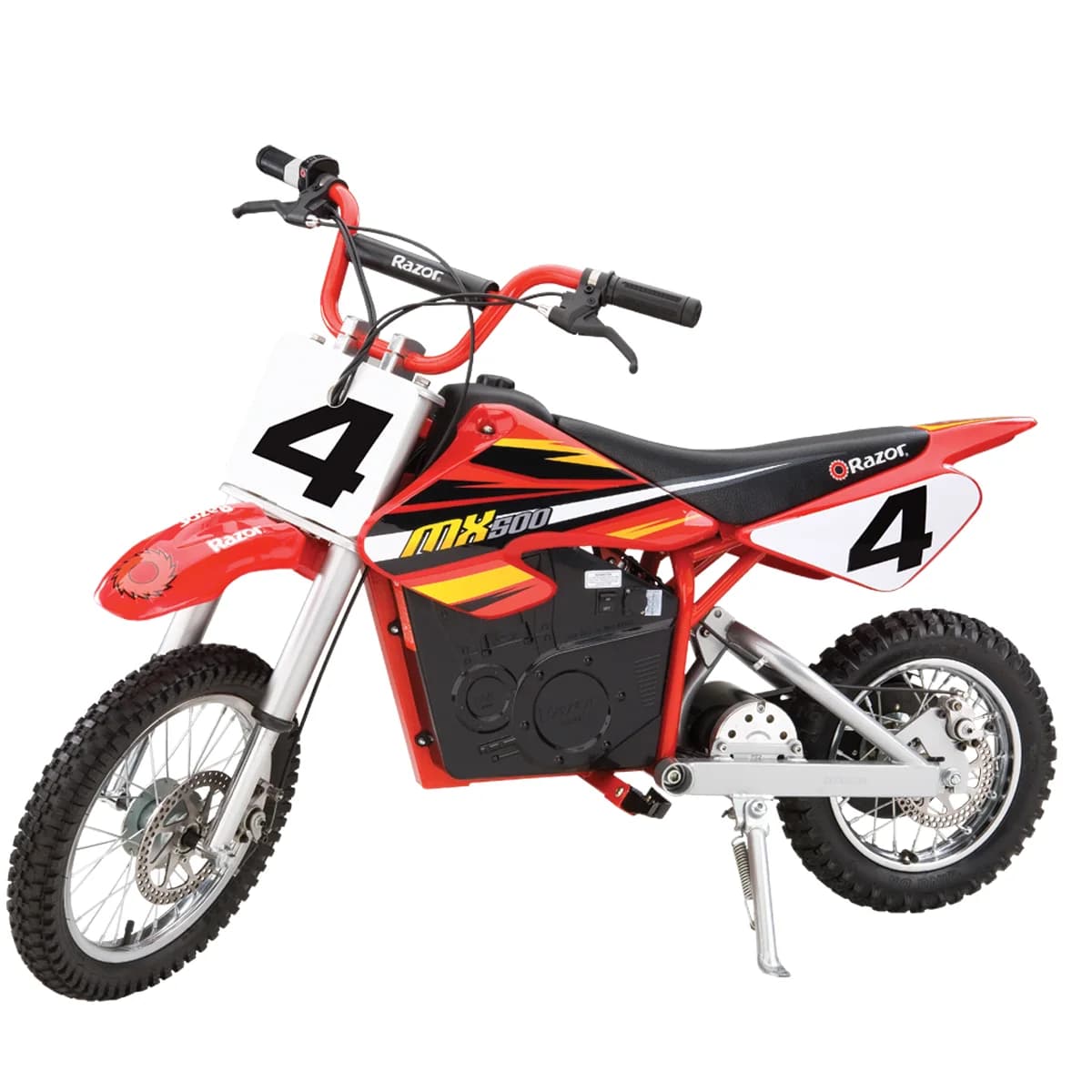
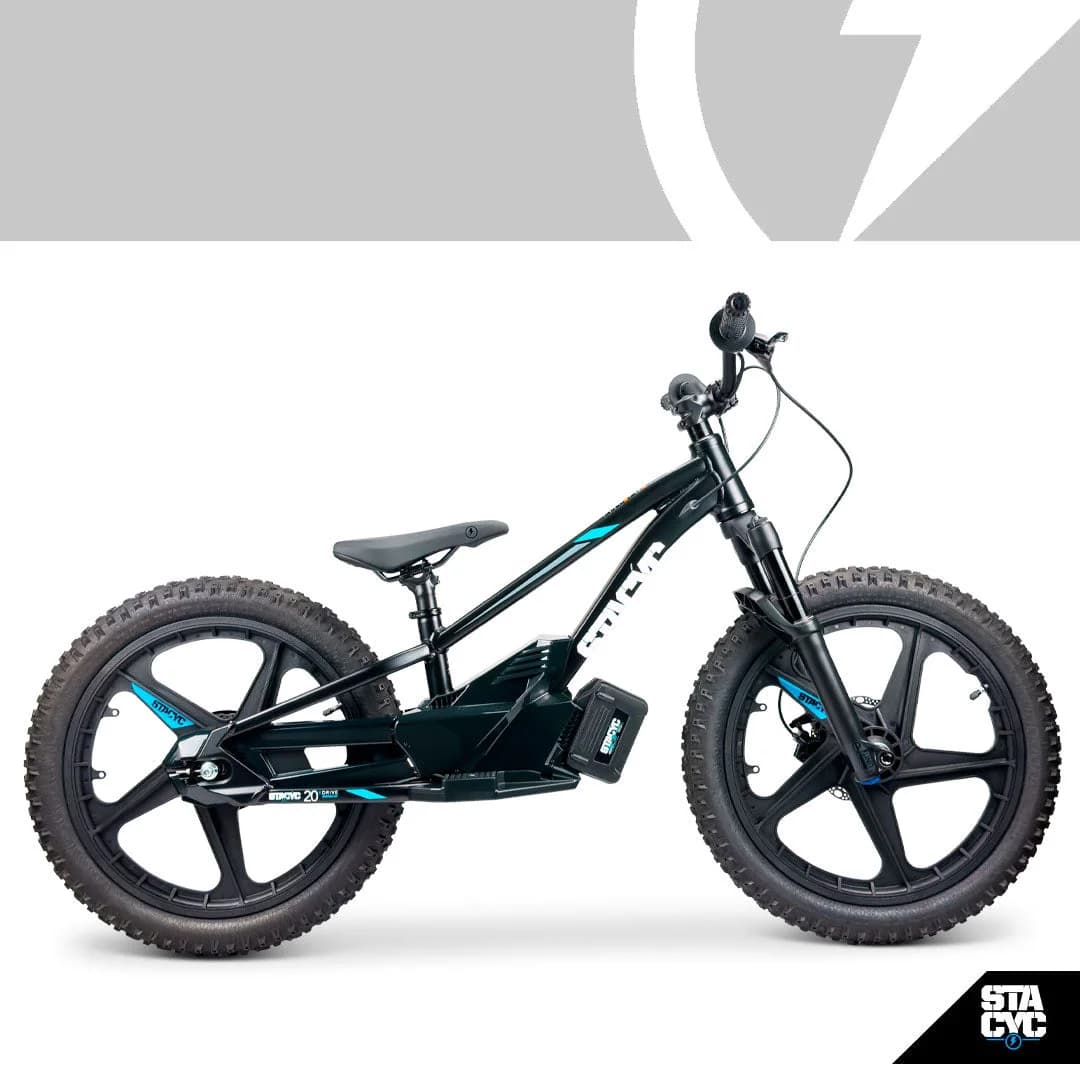
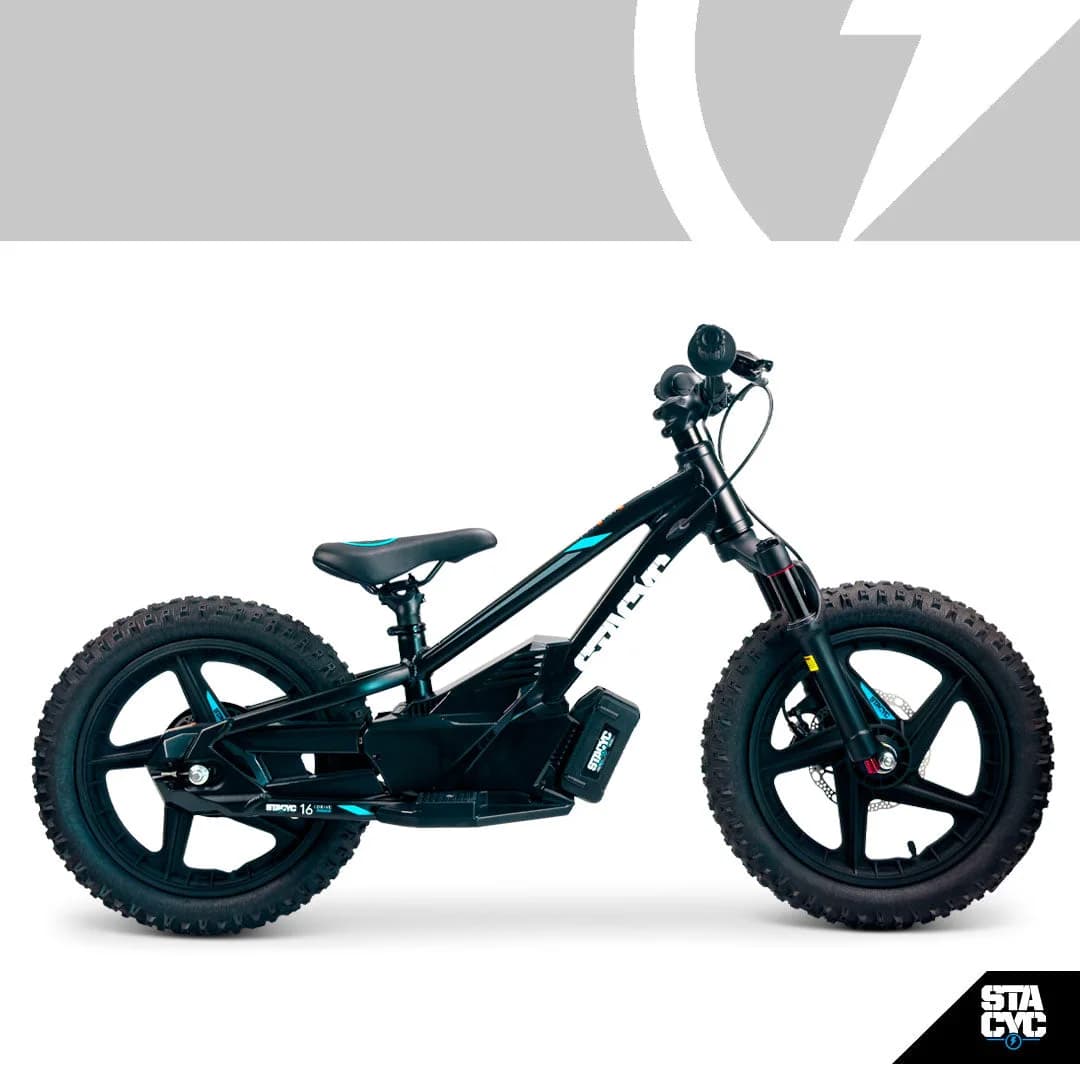
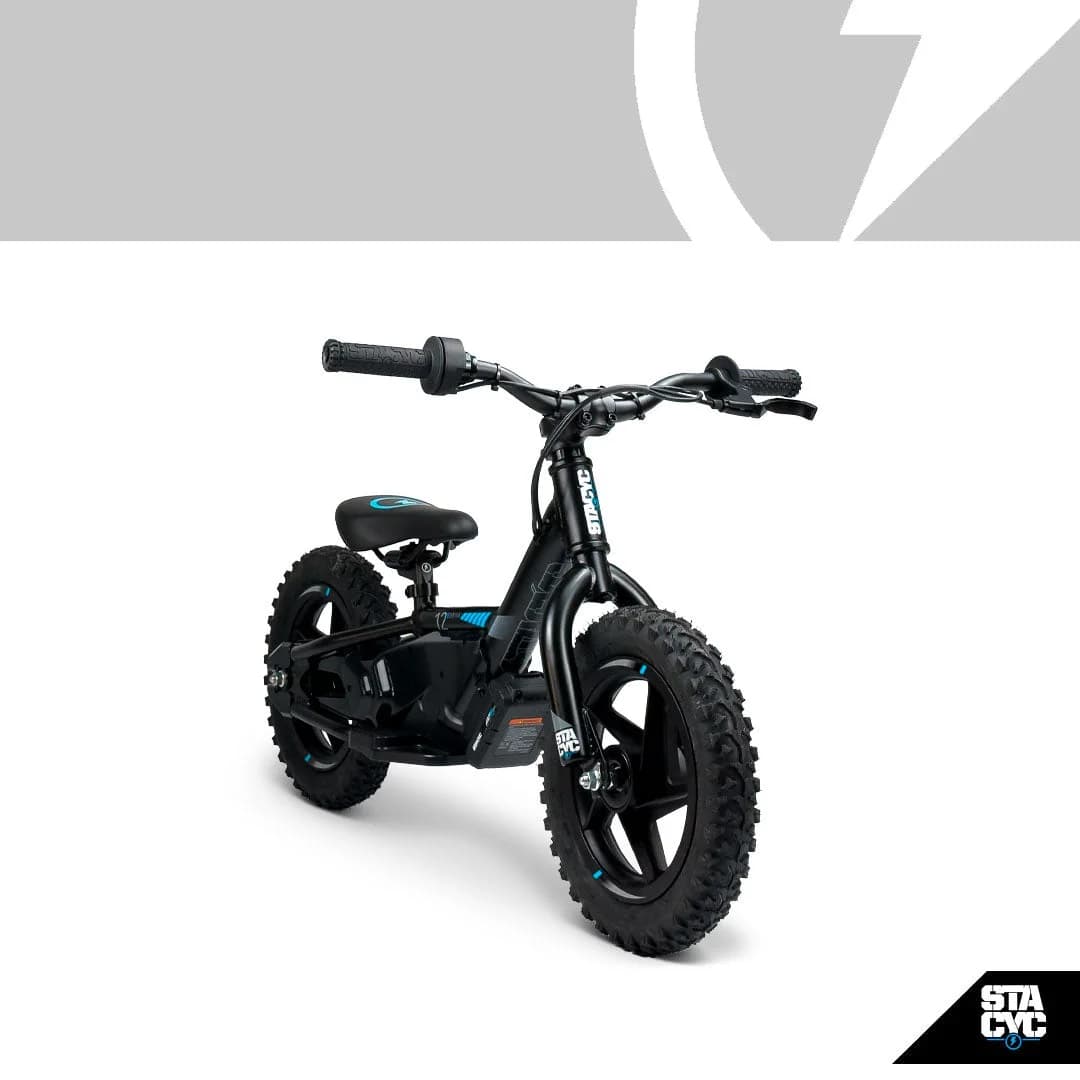
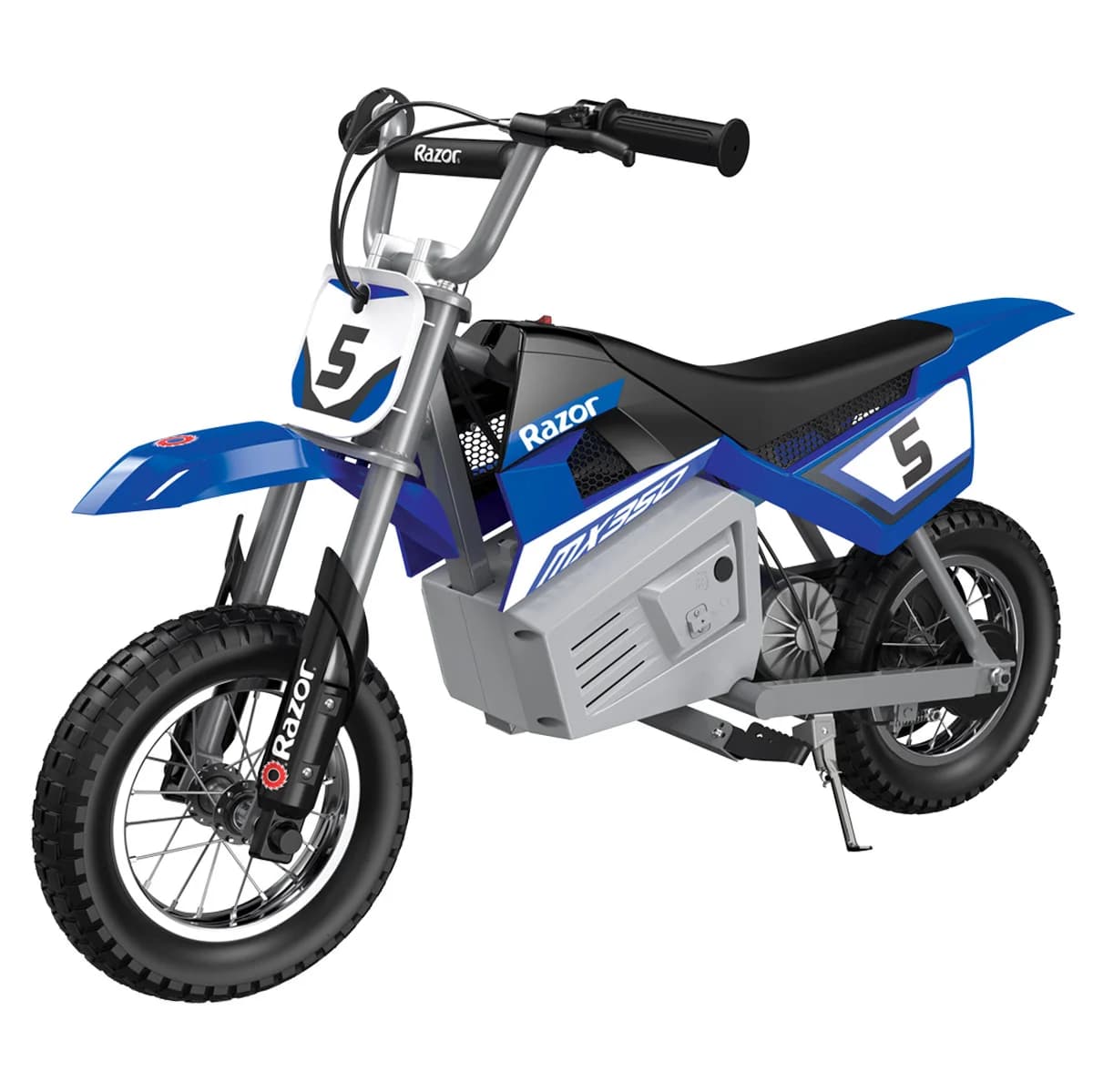
- Kids (ages ~3–8): 14–20 mph, low seats, speed-limited. Examples: Hiboy DK1, STACYC 20eDRIVE, Razor MX350.
- Youth (ages ~8-14): 20-30 mph, a real step toward a full bike. Examples: Greenger G2 / CRF-E2, Triumph/OSET TXP-20, Segway X160.
- Trail (the core adult class): 40–65 mph, the Sur-Ron/Talaria heartland. Examples: Sur-Ron Light Bee X, Talaria Sting R MX4, Rawrr Mantis X.
- Moto (full-size): 65–75+ mph full-size machines, from race weapons to big-bore enduros. Examples: Stark Varg, Sur-Ron Storm Bee, Talaria Komodo, Arctic Leopard XE Pro R — see the full-size roundup.
- Dual-sport: off-road bikes with a street path or lights. Examples: Onyx RCR, Talaria MX5 Pro.
How to choose: the five factors that matter
- Power (peak watts). The honest performance number. A kids' bike is 250–650W; a Sur-Ron Light Bee X is ~10 kW peak; a Stark Varg is ~60 kW. More isn't always better — match it to skill.
- Battery (usable Wh) and real range. Look at watt-hours, not marketing miles (see below). A 2,000–2,700 Wh pack is typical for the trail class.
- Weight — the bike's, and yours. A 130 lb Sur-Ron is flickable; a 280 lb Storm Bee is a handful. But check the published maximum rider weight before anything else, because it disqualifies more bikes than any other spec. Most of the popular platforms — every Sur-Ron among them — stop at 220 lb, which a grown rider in gear can be over on day one, and the number of bikes rated for a 250 lb rider is barely half the number rated for 220. Many publish no rating at all, which is its own answer. → Bikes for heavier riders · Weight limits explained
- Street-legal need. If you ever want to ride pavement legally, that narrows the field hard — start with the law in your state, then the bikes with the easiest legal path.
- Budget and parts availability. A cheaper bike with a thin parts supply can cost more over time. The Sur-Ron/Talaria ecosystem is the deepest.
The VoltRipper Score weighs exactly these — power, range, chassis, value, support, ergonomics, and legality — into one 100-point number. It measures fitness for purpose — every bike is judged against the job its own class exists to do, so a youth trainer and a race moto can each score well on their own terms. That makes cross-shopping apples to apples within a class, which is why a youth bike's Score belongs next to other youth bikes and not next to a $13,000 enduro's.
The range reality (read this before you buy)
The single most common disappointment with electric dirt bikes is range. Manufacturers quote range at a low, constant speed; ridden hard, real range is typically 40–60% of the claim. Across the bikes we track, a model advertised at 40–75 miles usually delivers 25–35 miles of aggressive trail riding. We publish a claimed-vs-real "reality check" on every model page — for example, the Segway X260's 74.6-mile headline drops to roughly 25–30 real miles. Buy on the watt-hours and the real number, not the sticker.
What you get at each price
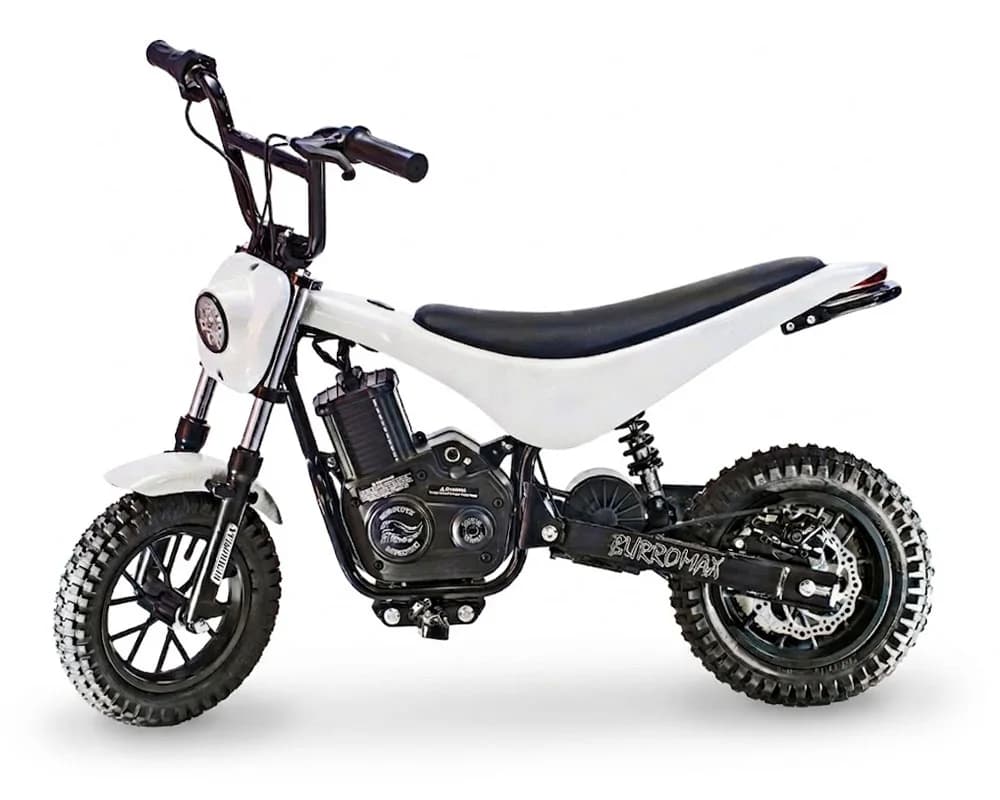
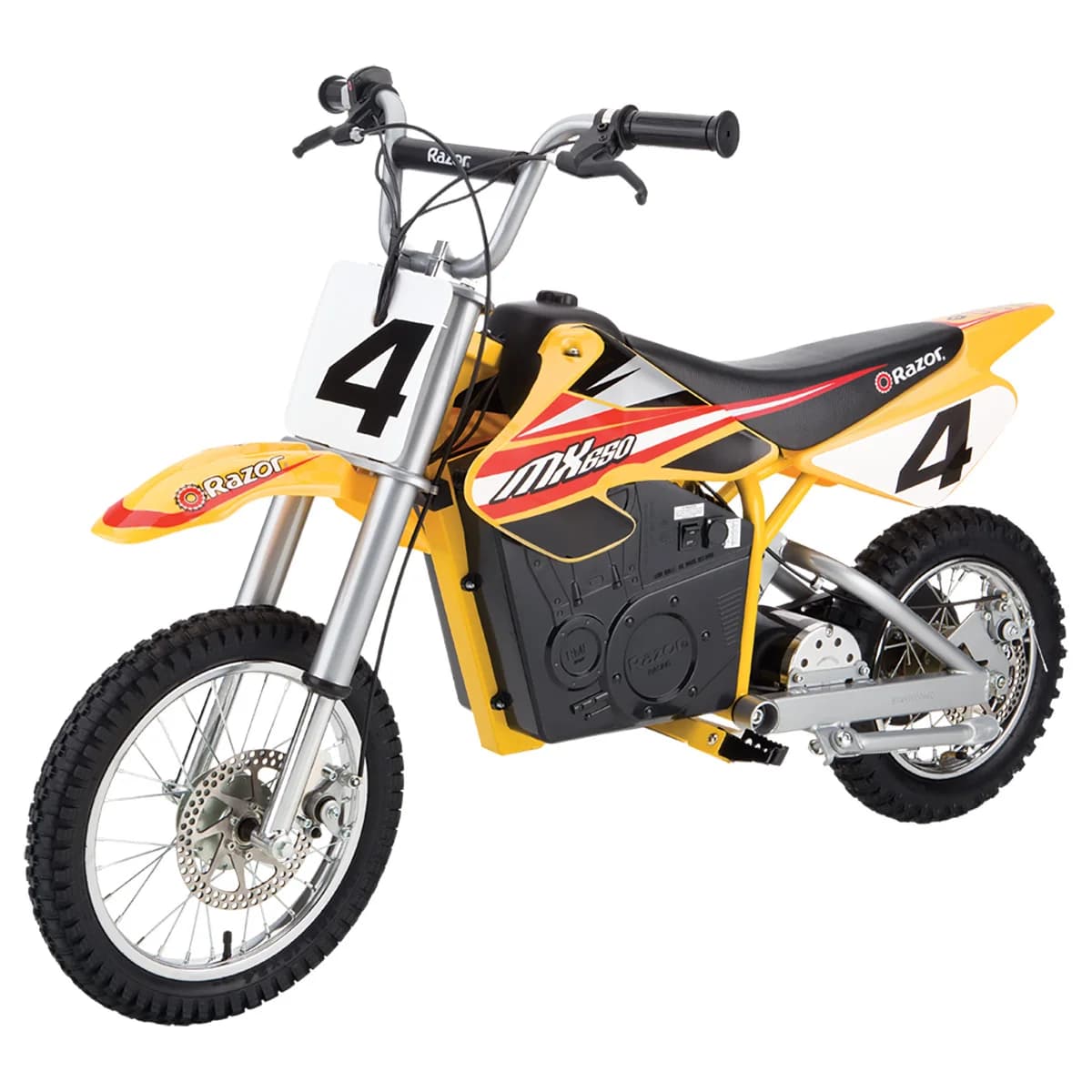
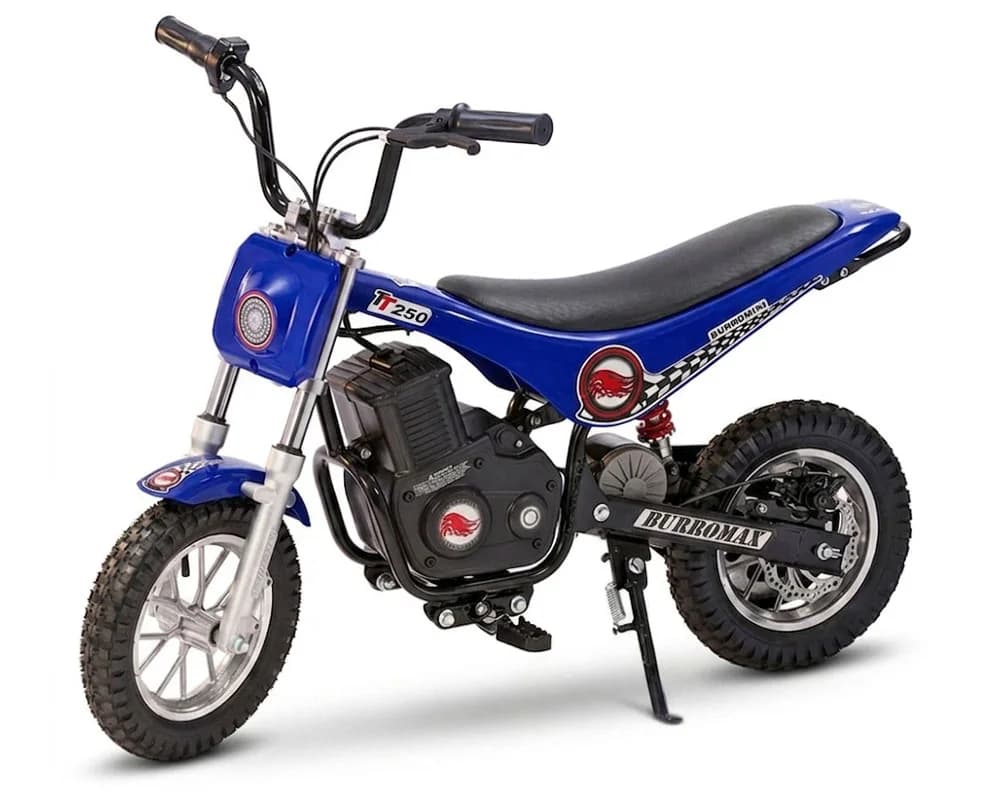
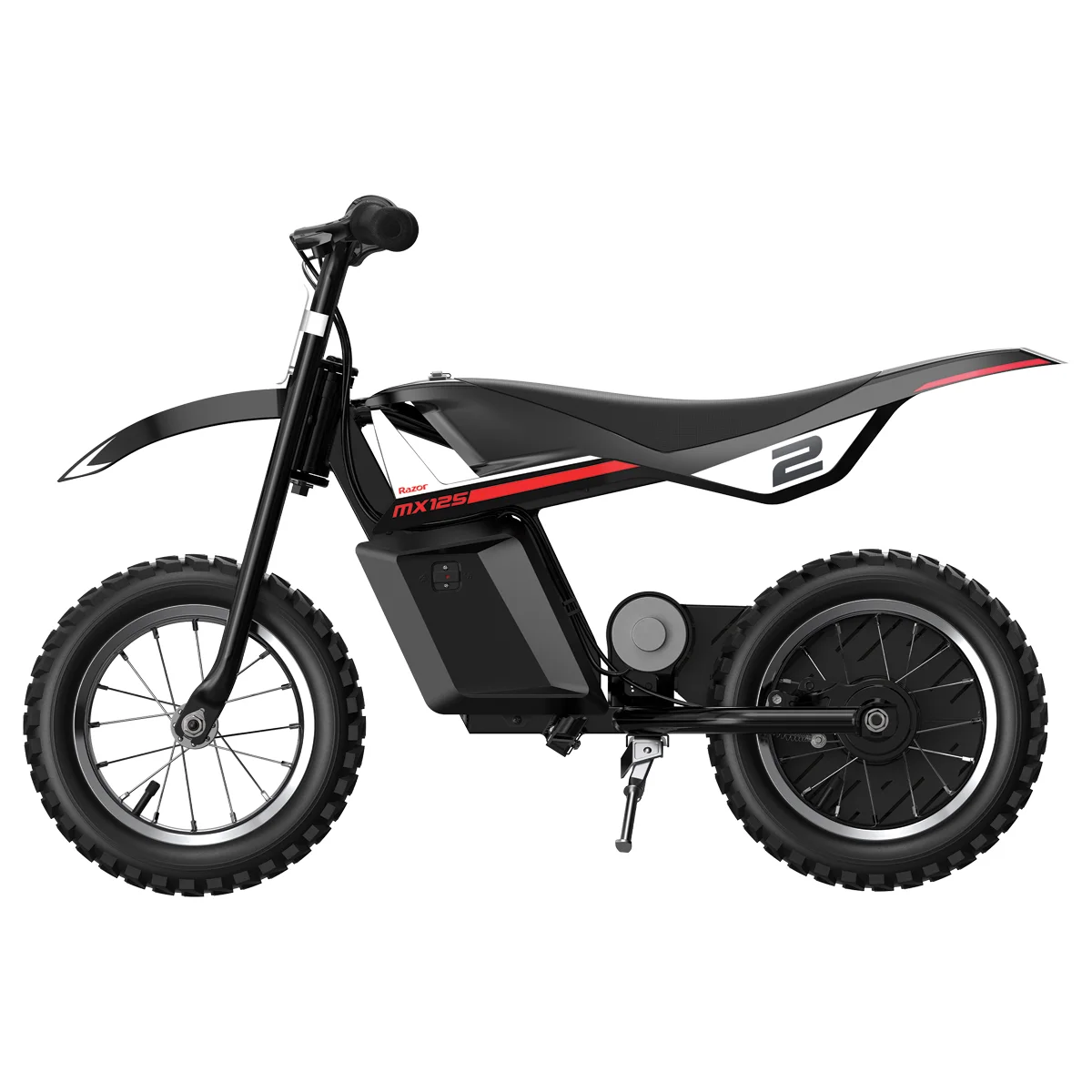
- Under $1,000 (budget, and most children's bikes): SLA or small lithium packs, and most do 8–26 mph. The Hiboy DK1 is rated for young children; the Razor MX650 and Burromax TT750R are rated 16+.
- $3,000–$4,000 (value trail): the sweet spot — roughly 47–65 mph depending on the model, 2+ kWh, real hydraulic brakes. Arctic Leopard XF Pro, Rawrr Mantis X, Talaria Sting MX3.
- $4,000–$6,500 (premium trail): the benchmarks. Sur-Ron Light Bee X, Talaria Sting R MX4, Sur-Ron Ultra Bee.
- $8,000+ (halo/moto): full-size race performance. Sur-Ron Storm Bee, Stark Varg.
The street-legal truth
We'll be blunt because most retailer pages won't: there is no state where you can buy a Sur-Ron-class electric dirt bike and simply register it for the road. We maintain the law for all fifty, and not one of them offers that. About half provide a conversion path — add the required equipment, pass inspection, then plate it. A smaller group allows restricted or local-only road use. The rest offer no street path at all.
It's classified as an off-highway or motor vehicle, so riding it on public roads, bike lanes, or sidewalks ranges from a ticket to — in Florida — a criminal offense with possible impoundment. Legal riding is private land and designated OHV areas, and most states require some form of registration even for that (California's SB-586 Green Sticker, Texas's $16 TPWD decal). The rules are also moving: we track live legislative changes in more than half the states, including California's SB-1167. Always confirm yours before you ride — every state page cites its sources and carries the date we last checked it. → Electric dirt bike laws, state by state · Bikes with the easiest legal path
The brands that matter
The class is led by Sur-Ron and Talaria (the benchmarks), with Segway, Rawrr, Arctic Leopard, and E-Ride Pro contesting the value tier, Stark and Cake at the premium end, and Honda-licensed Greenger, STACYC, and OSET owning youth. We track more than thirty brands in total — see the full brand directory.
Go deeper: the complete guide library
We've written an in-depth guide for every part of the decision — start with whichever matches where you are:
Choosing & buying
- How to choose an electric dirt bike · How much does one cost? · Best budget picks · Best for hunting · Where to buy one safely · Is a Sur-Ron worth it? · Best Sur-Ron alternatives
Head-to-head comparisons
- Sur-Ron vs Talaria · Light Bee X vs Sting MX5 Pro · Talaria vs Segway · Sur-Ron vs Segway · Stark Varg vs Sur-Ron · Which Sur-Ron to buy? · Which Talaria to buy? · Electric vs gas
Owning & maintaining
- How to ride one · Maintenance · Best upgrades · Safety gear · Common problems · Speed limiters & derestriction · Preventing theft · How long do they last? · The range reality
Legality & registration
- Are they street legal? · How to make a Sur-Ron street legal · Do you need a license? · Do you need insurance? · Laws by state
Bottom line
If you want the safe benchmark, buy a Sur-Ron Light Bee X. If you want the most bike per dollar, look at the Rawrr Mantis X Pro, or its cheaper sibling the Rawrr Mantis X. If it's for a young child, the Hiboy DK1 or a STACYC. Whatever you pick: buy on real range, respect the street-legal rules, and start with the Find Your Ride configurator to match a bike to you.
VoltRipper is reader-supported. When you buy through links on our site we may earn a commission, at no extra cost to you — it never affects our rankings. See our disclosure.
FAQ
Are electric dirt bikes street legal?
In almost every U.S. state, no. A Sur-Ron-class electric dirt bike is classified as an off-highway or motor vehicle, not an e-bike, because it exceeds the 750W / 20mph e-bike limits and has no pedals. It can be ridden on private land and designated OHV areas, and some states require OHV registration (California's Green Sticker, Texas's TPWD decal). Street use generally requires a formal conversion, if it's allowed at all. Check your state on our legality pages.
How fast do electric dirt bikes go?
It depends on the class. Kids' bikes top out around 14–20 mph, mid trail bikes like the Sur-Ron Light Bee X and Talaria Sting reach ~45–50 mph, and full-size e-motos sit at the top: the Sur-Ron Storm Bee at 68.3 mph and the Stark Varg at ~68 stock, with the Dust Moto Hightail at ~75 — and the Altis Sigma claiming 80. Many trail bikes ship speed-limited (often 20 mph) and are derestricted by the owner.
How much does a good electric dirt bike cost?
Across the nearly 60 models we track, prices run from about $229 for a basic kids' Razor to $13,040 for a road-legal Stark Varg EX. The heart of the adult trail market — Sur-Ron, Talaria, Segway, Rawrr — sits between roughly $3,000 and $6,500. Value picks like the Rawrr Mantis X and 79Bike Falcon Pro deliver 50–56 mph for under $4,000.
What's the real range of an electric dirt bike?
Far less than the sticker. Manufacturers quote range at a low, steady speed; ridden hard on a trail, real range is typically 40–60% of the claim. A bike advertised at 40–75 miles usually delivers 25–35 miles of aggressive riding. We publish a claimed-vs-real reality check on every model.
Sur-Ron vs Talaria — which is better?
Both are the benchmarks of the trail class. The Sur-Ron Light Bee X has the deepest aftermarket and a slightly lighter feel; the Talaria Sting R MX4 ships with a larger battery and a more motorcycle-like gearbox feel. Your pick comes down to budget, parts availability, and whether you value the Sur-Ron ecosystem — see our head-to-head.