Tracked price checks
Bikes in this guide
Sur-Ron
Light Bee X
Enormous aftermarket and parts ecosystem — the most-supported e-dirt-bike platform
Trade-off: Advertised range collapses at speed — plan for real-world miles well under the claim
We may earn a commission if you buy through this link, at no extra cost to you.
Check price at ATV Wholesale OutletSur-Ron
Ultra Bee
Big 4.4 kWh (74V/60Ah) pack, ~24.5 kW HP listings, and a 59 mph top end — a real step up from the Light Bee
Trade-off: Heavier (~195 lb) and more bike than a beginner needs
We may earn a commission if you buy through this link, at no extra cost to you.
Check price at Boca ScootersThe short answer
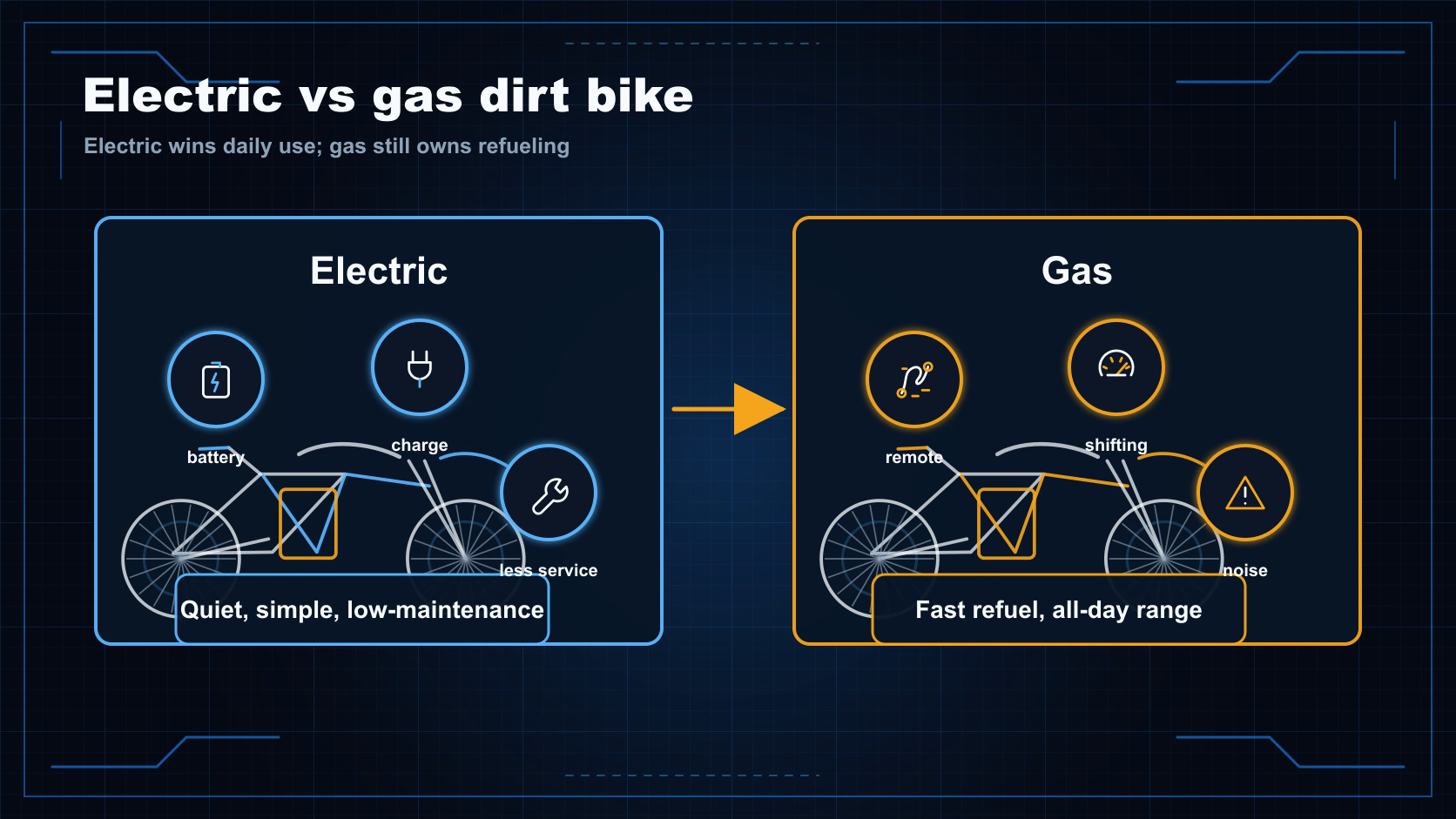
For the small-format off-road class — Sur-Ron, Talaria, and the bikes we cover — electric has largely won on day-to-day practicality. Instant torque, near-zero maintenance, silence, and pennies to run make it the easier bike to live with, which is exactly why the category is exploding.
Gas still wins on range and refueling. A tank refills in seconds and goes farther than any battery in this class. So the honest rule is simple: buy electric unless long, remote, all-day rides — or the love of shifting — are what you're after.
Who this is for
Anyone weighing a Sur-Ron-class electric dirt bike against a gas alternative — a pit bike, a used trail bike, or a small dirt bike. If you're choosing between two electric bikes instead, see our how to choose guide and Sur-Ron vs Talaria.
Head-to-head, factor by factor
Power delivery → Electric. Full torque from zero rpm, one gear, no clutch. A gas bike makes you work the powerband and shift; electric just goes. For this class, that instant hit is both easier to ride and quicker off the line.
Maintenance → Electric, by a mile. No oil changes, air filters, valves, or jetting — the entire engine-service routine simply doesn't exist. You maintain tires, brakes, suspension, and the chain, and that's about it. This is the single biggest quality-of-life difference.
Noise → Electric (and it matters more than you'd think). A near-silent bike is a practical superpower. Loud gas bikes trigger noise complaints and are the number-one reason riders lose access to trails and land. Quiet electric bikes let you ride more places, more often, without drawing attention — a real, underrated advantage.
Range & refueling → Gas. Here's where gas holds the line. Electric dirt bikes in this class realistically go ~25–45 miles (see our range guide) and then need hours to recharge — or a swapped spare battery, if the bike supports it. Gas refuels in seconds and rides all day. For long or backcountry rides, that's decisive.
Running cost → Electric. A full charge costs roughly $0.30–$0.75 of electricity, versus a tank of gas plus the engine-service routine a gas bike demands — oil, filters, and eventual top-ends run into the hundreds of dollars a year for an active rider. You still maintain tires, brakes, and the chain on either bike, but the fuel-and-engine gap adds up to real money over years — and the more you ride, the faster electric's lower running cost pays back its similar sticker price.
Upfront cost → roughly even. A $4,000–$5,000 Sur-Ron-class bike lands in the same ballpark as a new gas pit bike or a good used small dirt bike. Neither side has a clear price advantage on day one.
Riding feel → personal. Electric is smooth, simple, and one-gear. Gas gives you a clutch, shifting, and engine feel — and for a lot of riders, working the bike is the fun. If the mechanical engagement is the point for you, gas still delivers something electric doesn't.
Where each one clearly wins
Electric wins for: commuting and errands, urban/suburban riding, quiet trails and shared land, low-maintenance owners, and beginners or kids (no clutch, adjustable power, quiet).
Gas wins for: long and remote rides, endurance or motocross with pit refueling, riders who love shifting and engine character, and anywhere with no practical way to charge.
Which should you buy?
- Most riders — commute plus trails, minimal hassle: Electric. The Sur-Ron Light Bee X is the class benchmark (full review →).
- Long, remote, all-day, or race endurance: Gas, for now — until battery range and charging catch up.
- You love the clutch and the engine: Gas.
- Kids and beginners: Electric — the friendlier, quieter, more forgiving way to learn.
Not sure which electric bike fits if you go that way? Run the Find Your Ride configurator.
The VoltRipper take
For the small-format off-road class specifically, electric has already won the practicality argument — the maintenance, noise, and running-cost advantages are why these bikes are selling as fast as they are. Gas holds on for endurance riders and for those who genuinely love the mechanical experience, and that's a legitimate reason to choose it. But for most people deciding today, an electric dirt bike is the more usable bike more of the time. Buy gas only if range, refueling, or shifting is a real dealbreaker for how you ride.
VoltRipper is independent and electric-focused, but we call it straight — gas still beats electric on range and refueling in this class, and we'll tell you when it's the better buy. Affiliate disclosure is included on monetized pages, and we are spec-verified/data-driven rather than hands-on until first-hand testing exists.
FAQ
Is an electric dirt bike faster than a gas one?
Off the line, usually yes — an electric motor delivers full torque instantly with no clutch or shifting, so a Sur-Ron-class bike jumps hard from a standstill. Outright top speed depends on the model, but for the small off-road class the instant torque makes electric feel quicker in the real world.
Do electric dirt bikes need less maintenance than gas?
Far less. There's no oil, no air filter, no valves, no jetting, no spark plugs. You still maintain tires, brakes, suspension, and (on chain-drive bikes) the chain — but you skip the entire engine-service routine that gas bikes require.
How far can an electric dirt bike go compared to gas?
This is where gas still wins. Electric dirt bikes in this class realistically cover about 25–45 miles per charge and then need hours to recharge (or a swapped spare battery). A gas bike refuels in seconds and rides all day, so for long or remote rides gas is still the practical choice.
Are electric dirt bikes cheaper to run?
Yes. Charging costs pennies versus a tank of fuel, and you avoid nearly all engine maintenance. Over years of ownership the running-cost gap is significant, even though upfront prices are similar.
Which is better for a beginner or a kid?
Electric. No clutch and no shifting means one less thing to learn, adjustable power modes let you dial the bike down as skills build, and the quiet operation is easier on everyone around you.
Sources
Specification sources
- Sur-Ron Light Bee XATV Wholesale Outlet - 2026 Sur-Ron Light Bee X (72V/35Ah, 10 kW), $4,699 from $4,999Checked
- Sur-Ron Ultra BeeVoro Motors — Surron Ultra Bee HP SW 24.5kW 74V 60AhChecked