Tracked price checks
Bikes in this guide
Sur-Ron
Light Bee X
Enormous aftermarket and parts ecosystem — the most-supported e-dirt-bike platform
Trade-off: Advertised range collapses at speed — plan for real-world miles well under the claim
We may earn a commission if you buy through this link, at no extra cost to you.
Check price at ATV Wholesale OutletSTACYC
20eDRIVE
The gold-standard kids' electric balance bike — the on-ramp to real dirt riding for ages 11–12
Trade-off: Short 30–60 min runtime per battery
We may earn a commission if you buy through this link, at no extra cost to you. As an Amazon Associate I earn from qualifying purchases.
Check Amazon priceTalaria
Sting R MX4
Bigger 2,700 Wh (60V/45Ah) LG-cell pack than a stock Sur-Ron — more usable range
Trade-off: Ships factory-limited to 20 mph — needs derestriction to reach its ~40+ mph potential
We may earn a commission if you buy through this link, at no extra cost to you.
Check price at Luna CycleThe short answer
An electric dirt bike is still a dirt bike. A Sur-Ron does 45+ mph, and even a kids' bike moves fast enough to hurt. The crash risk comes from speed, terrain, and rider decisions, not the fact that the motor is electric, so you wear the same protective gear you would on a gas bike: a DOT-compliant motorcycle helmet, goggles, gloves, boots, and body protection.
Here is what actually matters, in order, plus the one electric-specific safety habit most gear guides ignore: lithium-battery charging and storage.
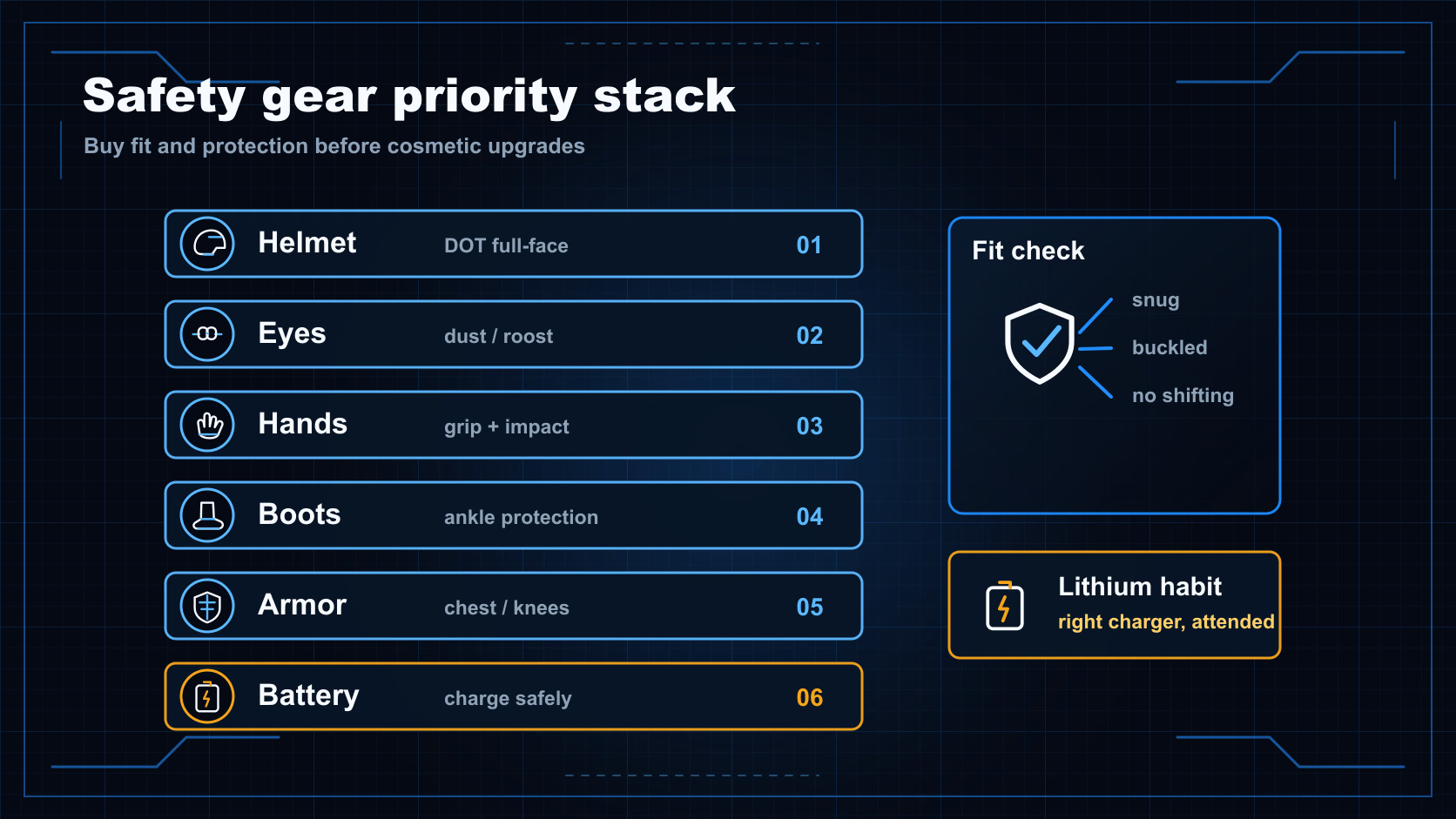
The essentials, in order
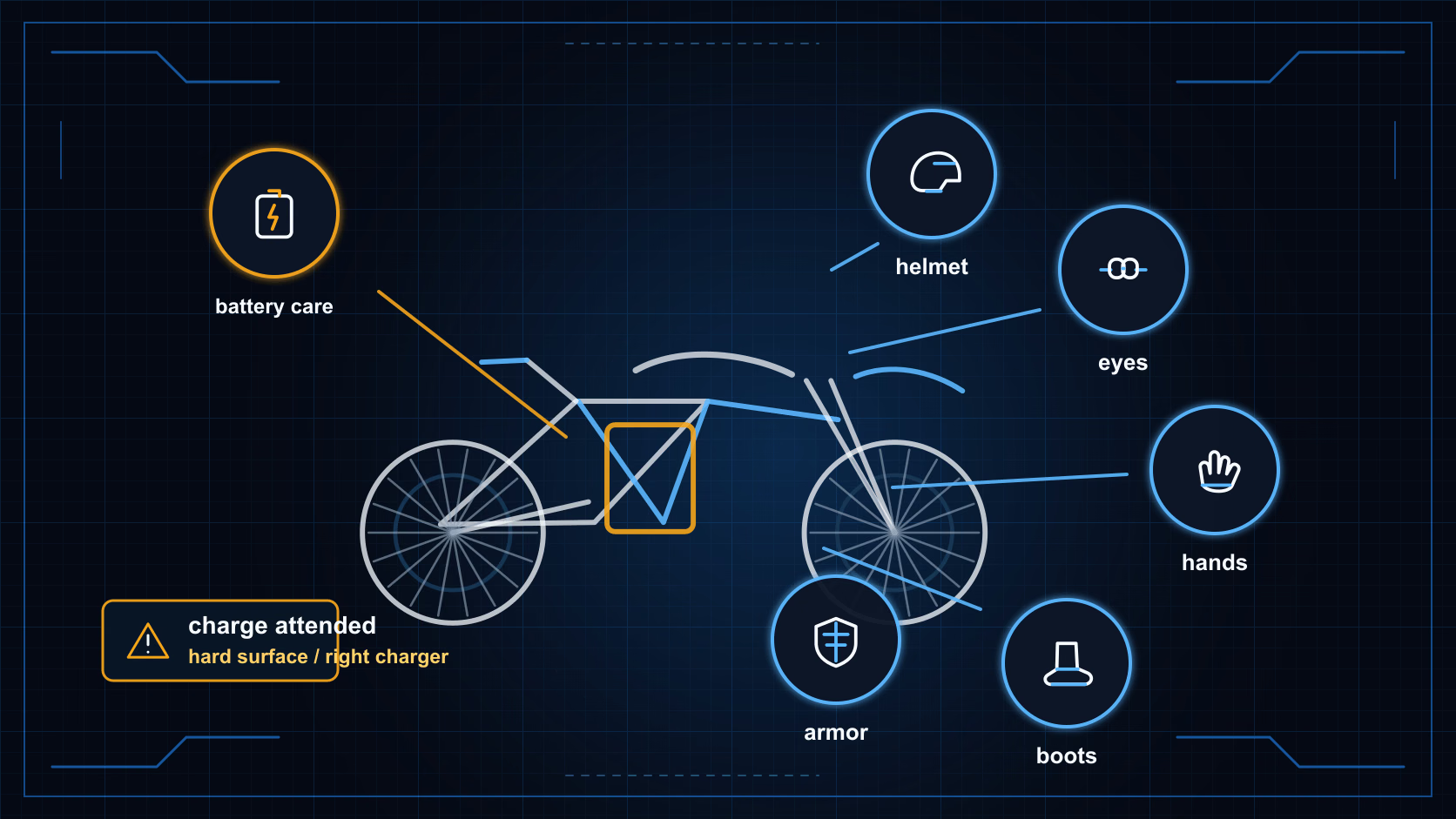
1. Helmet: non-negotiable. A DOT-compliant full-face motorcycle/off-road helmet, not a bicycle helmet. Look for the DOT symbol on the outside back of the helmet; that means the helmet is certified to the federal motorcycle helmet standard. ECE or Snell labels are useful additional signals, but the main point is simple: these bikes reach speeds a bicycle helmet was never designed for. Fit is everything: snug, no movement, buckled every ride.
2. Goggles. Eye protection against dust, roost, and branches. A face full of debris at speed is how a lot of avoidable crashes start. Match the lens to your light conditions.
3. Gloves. Grip and hand protection. Your hands are often what hit first when you go down. Off-road gloves are cheap and you will wear them every ride.
4. Boots. Over-the-ankle riding boots, ideally MX boots. Ankles and feet take a beating off-road; regular shoes offer almost no protection when a bike lands on your foot or you catch a rut.
5. Body protection. A chest/roost protector and knee and elbow guards or a pressure suit can turn a real crash from a hospital visit into bruises and a ruined afternoon. For anyone riding hard, this is not optional gear.
For kids, specifically
Youth riders need the same categories of gear, correctly sized: a properly fitted youth helmet, goggles, gloves, over-the-ankle boots, and body armor. A few rules matter more than the bike you buy:
- Fit over hand-me-downs. Oversized adult gear can be worse than none. A helmet that shifts does not protect correctly.
- Start in the low power mode. Most youth bikes, including the Greenger G2 / CRF-E2, STACYC, and others, have selectable power stages. Start slow and open it up as skills grow.
- Supervise early rides and pick a flat, open, legal area to learn. Progression beats power every time.
The electric-specific part: battery safety
This is what a gas-bike gear guide will not tell you. Lithium batteries are safe when treated correctly, but they deserve respect:
- Charge attended, on a hard surface. Do not charge while sleeping, away from home, or on carpet. Charge in a cool, ventilated spot away from exits and anything flammable.
- Use the supplied or manufacturer-recommended charger. Cheap, mismatched, or modified chargers are a real risk.
- Never ride or charge a damaged pack. A battery that has been crashed hard, dented, swollen, unusually hot, hissing, leaking, or smelling strange should be isolated and inspected before use. A compromised lithium pack is a fire risk.
- Store it cool and partly charged when it will sit for a while. See our maintenance guide for storage specifics.
None of this is cause for panic, but it is part of owning a high-capacity lithium-powered bike. The same habits recommended for e-bikes and scooters apply here: use the right charger, be present while charging, and stop using a battery that shows damage or abnormal behavior.
What not to overspend on
Buy a good helmet and boots first. Those protect the parts you cannot replace. You do not need top-shelf everything on day one: mid-range goggles, gloves, and guards do the job, and you can upgrade as you ride more. The mistake is skipping body protection to save money, not buying mid-range instead of premium.
Standards behind this advice
The helmet baseline here follows NHTSA motorcycle helmet guidance: look for the DOT symbol on the outside back of the helmet, which means the manufacturer certifies it to FMVSS 218. The charging advice follows CPSC micromobility lithium-ion battery guidance: use the manufacturer-recommended charger, be present while charging, and do not charge while sleeping or away from home.
The bottom line
Gear up like it is a real dirt bike, because it is one. A DOT-compliant full-face helmet, goggles, gloves, over-the-ankle boots, and body protection cover the essentials for any rider, kid or adult, and correct fit matters more than price. Add the electric-specific habit of charging and storing the battery safely, match the power mode to the rider, and ride where it is legal. Do that and you have handled the parts of this hobby that actually matter. New to the category? Start with our how to choose guide — or, if you're buying it as a gift, our electric dirt bike gift guide covers which gear to pair with which bike and how to size it for someone else.
VoltRipper is independent. This is general safety guidance, not a substitute for your gear manufacturers' fitment instructions, your bike's owner's manual, or state helmet and OHV rules. Affiliate disclosure is included on monetized pages.
FAQ
What safety gear do I need for an electric dirt bike?
At minimum: a DOT-compliant full-face motorcycle/off-road helmet, goggles, gloves, and over-the-ankle boots. Ideally add body protection: a chest/roost protector and knee and elbow guards. It's the same gear you'd wear on a gas dirt bike, because the crash risk comes from the riding and the speed, not the powertrain.
Is a bicycle helmet OK for a Sur-Ron?
No. A Sur-Ron-class bike hits 45+ mph, far beyond bicycle-helmet territory. Use a DOT-compliant full-face motorcycle/off-road helmet for trail riding, and confirm your state's helmet rules if you've made the bike street-legal. A bicycle helmet leaves your face and jaw unprotected at speeds these bikes easily reach.
Do kids need special safety gear?
Yes: properly-sized youth gear, never hand-me-down adult gear that doesn't fit. A correctly-fitted youth helmet, goggles, gloves, over-the-ankle boots, and body armor matter more than brand or price. Fit is what makes gear work; oversized gear can be worse than none.
Are electric dirt bikes safe?
They're as safe, or as risky, as any dirt bike: the danger is in the riding and the speed, not the electric motor. Proper gear, matching the power mode to the rider's skill, and riding in legal, appropriate areas are what keep it safe. Electric adds one extra consideration most guides skip: charging and storing the lithium battery safely.
Sources
Specification sources
- Sur-Ron Light Bee XATV Wholesale Outlet - 2026 Sur-Ron Light Bee X (72V/35Ah, 10 kW), $4,699 from $4,999Checked
- STACYC 20eDRIVESTACYC — 20eDRIVE product page ("Perfect for 9-12yr olds under 115lbs"), read 2026-09-14Checked
- Talaria Sting R MX4Talaria Canada - Sting R MX4 specificationsChecked