Tracked price checks
Bikes in this guide
Sur-Ron
Light Bee X
Enormous aftermarket and parts ecosystem — the most-supported e-dirt-bike platform
Trade-off: Advertised range collapses at speed — plan for real-world miles well under the claim
We may earn a commission if you buy through this link, at no extra cost to you.
Check price at ATV Wholesale OutletSur-Ron
Ultra Bee
Big 4.4 kWh (74V/60Ah) pack, ~24.5 kW HP listings, and a 59 mph top end — a real step up from the Light Bee
Trade-off: Heavier (~195 lb) and more bike than a beginner needs
We may earn a commission if you buy through this link, at no extra cost to you.
Check price at Boca ScootersRawrr
Mantis X Pro
15 kW peak and 65+ mph — a big step above the base Mantis X for $900 more at $3,899
Trade-off: 65 mph / 15 kW is a lot of bike for newer riders
We may earn a commission if you buy through this link, at no extra cost to you.
Check price at Rawrr (official)The short answer
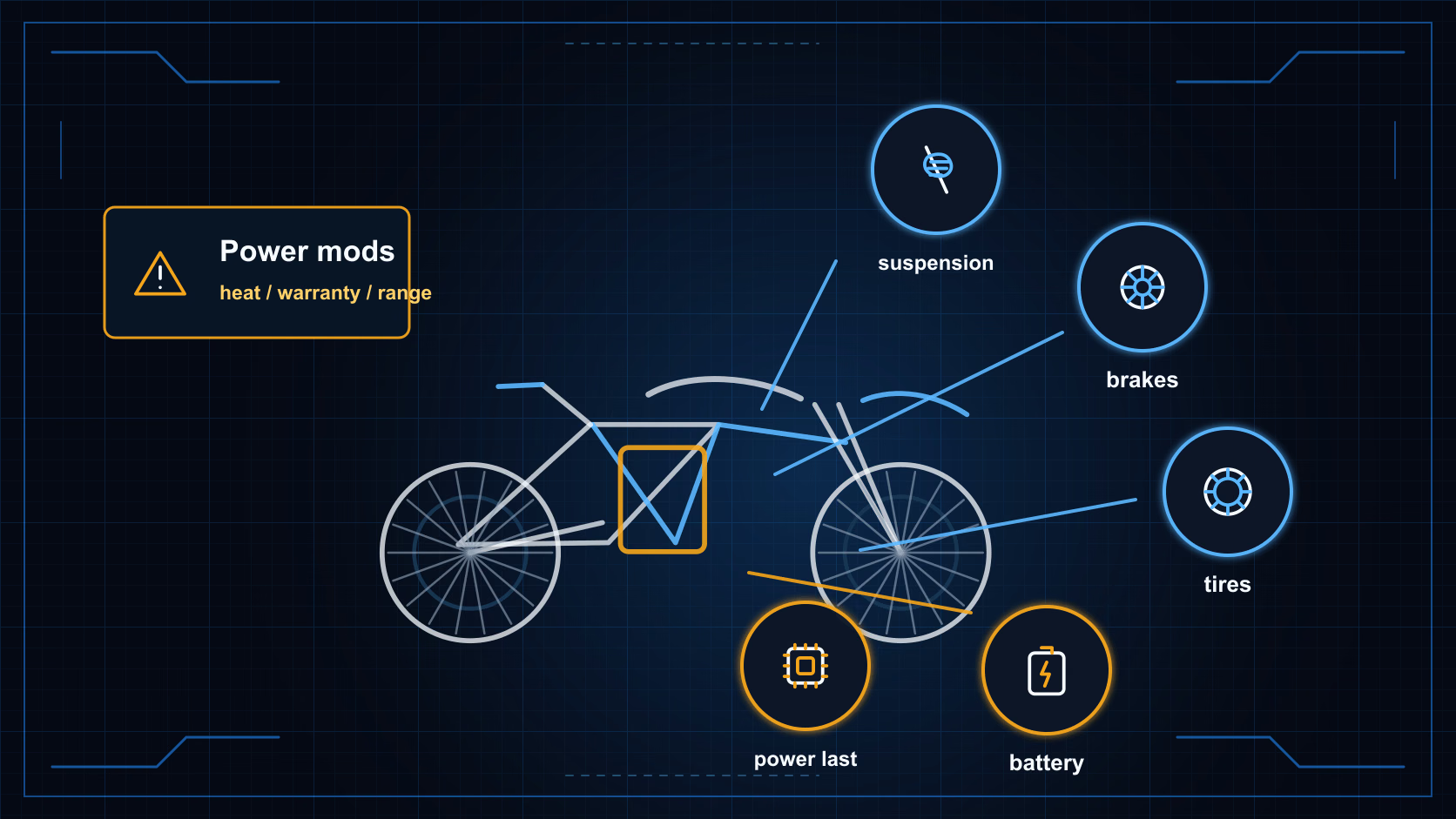
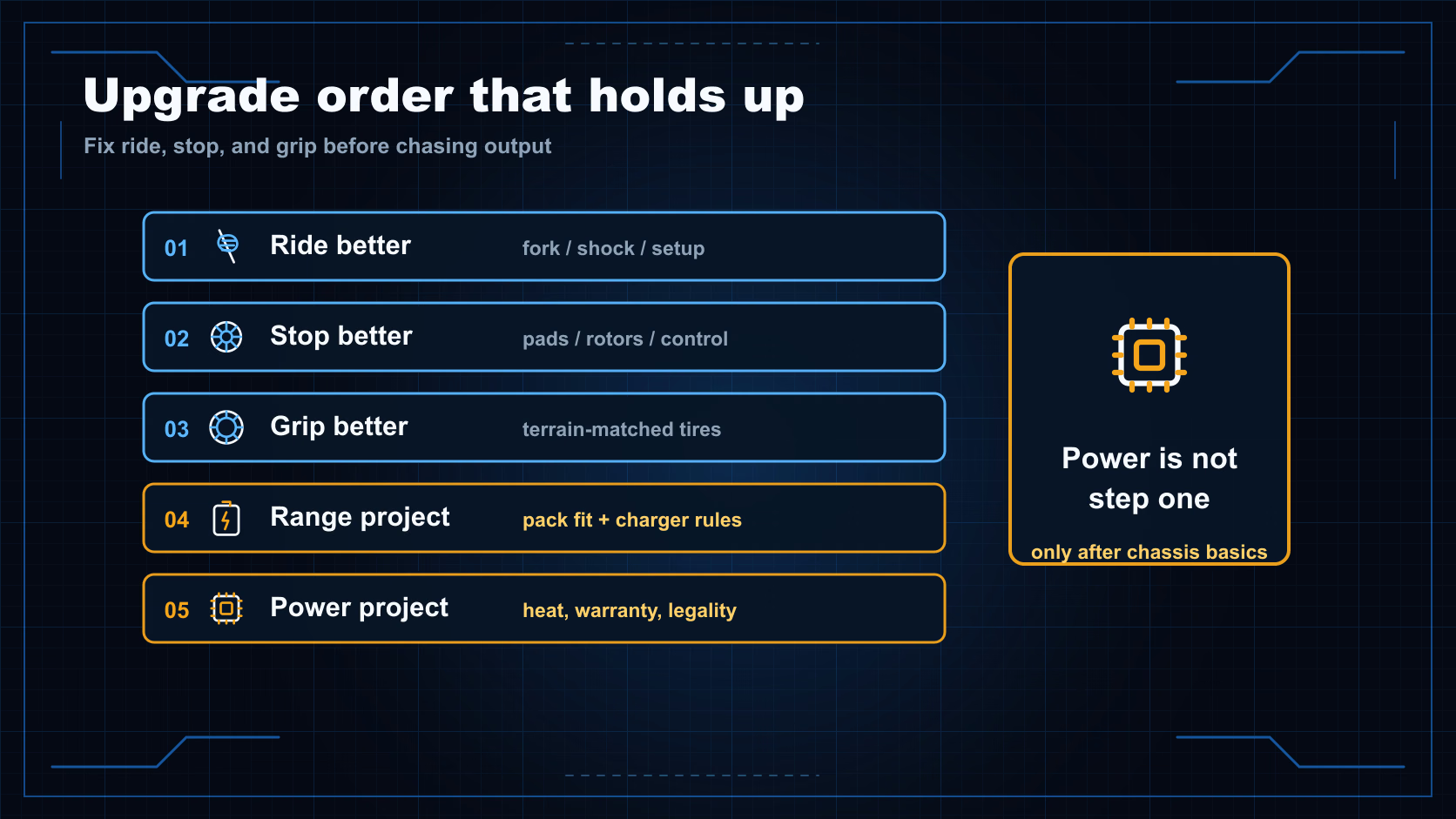
If you're upgrading a Sur-Ron (or any electric dirt bike), spend in this order for the best return: suspension first, then brakes and tires, then power (controller/battery) only if you actually need it. The most common mistake is chasing horsepower before the bike can safely handle what it already makes. Fix how it rides and stops, then think about going faster.
Why the aftermarket is the point
Here's something worth understanding before you buy or modify: the Sur-Ron's deep aftermarket is a big reason it's the benchmark. Because it created the category and sold the most, there's an upgrade for almost everything, plus the biggest community to guide you. You can turn a stock Light Bee X into a plush trail bike, a supermoto, or a near-race machine. That's real, lasting value — and it's exactly what the newer "Sur-Ron killer" brands (however good their specs) can't match yet. If you plan to modify, buy into an ecosystem that supports it.
The upgrades, ranked by value
1. Suspension — the single best upgrade. The stock fork and shock are the weakest link on most of these bikes. Better suspension (upgraded forks, a quality rear shock, or a full kit) transforms comfort, control, and confidence on rough ground more than anything else. If you upgrade one thing, upgrade this. (~$800–$2,000+ for serious fork/shock work; less for springs or used parts.)
2. Brakes. More important than more power. Upgraded pads, larger rotors, or better calipers give you the stopping power to match the speed you already have — a safety upgrade first, a performance one second. (~$50–$600 depending on pads/rotors versus a full brake kit.)
3. Tires. A cheap, high-impact change. The right knobby for your terrain dramatically improves grip and confidence, and even good pressure management helps. (~$80–$250.)
4. Battery. A bigger or spare pack is the real fix for range anxiety (remember claimed range is optimistic). It's one of the pricier upgrades, but for long riders it's the one that changes the day. (~$1,600–$3,000+ for the common high-capacity aftermarket packs.)
5. Controller (power). This is where riders often start and shouldn't. A bigger controller adds genuine acceleration, but it also stresses the battery and motor, adds heat, and can affect warranty and street-legal status. Worth it if you'll use the power and manage the trade-offs — skip it if the bike already feels like enough. (~$700–$1,200+ for the proven plug-in controller tier.)
6. Ergonomics & controls. Bars, grips, a better seat, foot pegs — small changes that make the bike fit you and improve control on long rides. Cheap, personal, and underrated — and if you're a taller rider on a compact bike, riser hardware is the single highest-comfort-per-dollar change you can make: see our Sur-Ron fit & ergonomics guide for the kit, the order to buy, and the honest height limits. (~$50–$300.)
7. Cooling & motor. For riders pushing high power hard (racing, big controllers), cooling upgrades and motor work protect reliability. Most trail riders never need this — and a motor swap is the last upgrade rather than the first, because on a stock bike the controller and battery decide how much current ever reaches the motor. (varies.)
8. Lighting. Not performance, but essential if you're pursuing a street-legal conversion — DOT lights, signals, and a plate light are step one there.
9. Protection. Not on most people's upgrade list, and it has the best return per dollar on this page. A frame guard is roughly 1% of the bike and decides what it looks like when you sell it. Read what that protection actually is before you buy, though: almost none of it is impact armour, the sellers say so in their own fitment notes, and the one part in that category doing genuine structural work is a wrap-around handguard.
What to upgrade first (for most riders)
Do the "ride better, stop better, grip better" trio — suspension, brakes, tires — before touching power. That combination makes the bike safer and more fun at any speed, works for every rider, and doesn't risk your warranty or battery. Add power later, once you're out-riding the bike you have.
The honest warning
Upgrades are addictive and they add up: it's genuinely easy to turn a $4,499 Light Bee X into a $7,000–$8,000+ build once suspension, battery, and controller are in. Two cautions: power mods (controllers, motors) can affect warranty, reliability, and street-legal status, and every watt you add drains the battery faster. Budget for mods up front (see our cost guide), and prioritize the upgrades that make you a better, safer rider over the ones that just make a bigger number.
The bottom line
The best money on an electric dirt bike goes into suspension, brakes, and tires first — they improve every ride and every rider. Chase power only when you can genuinely use it, and remember it comes with trade-offs. And if modifying is your plan, that's the strongest argument for buying a Sur-Ron: the deepest aftermarket in the class means you can build the exact bike you want. Not sure which platform fits your plans? Run the Find Your Ride configurator.
VoltRipper is independent — we don't sell parts and our rankings aren't pay-to-play. Upgrade advice is general; power and electrical modifications can affect safety, warranty, and street-legal status, so research your specific bike and local laws. Affiliate disclosure is included on monetized pages.
FAQ
What's the best Sur-Ron upgrade?
Suspension. The stock fork and shock are the biggest weak point on most Sur-Ron-class bikes, and upgrading them transforms how the bike rides, handles, and soaks up hits far more than any power mod. For most riders, spend on suspension before chasing more watts.
Should I upgrade the controller for more power?
Only if you genuinely want more power and accept the trade-offs. A bigger controller adds real acceleration, but it stresses the battery and motor, generates more heat, and can void your warranty or push the bike further outside street-legal limits. Suspension and brakes improve the ride for everyone; a power mod only helps if you can already use the power you have.
How much do electric dirt bike upgrades cost?
From about $50–$250 for tires, pads, or rotors to $800–$2,000+ for quality suspension, $700–$1,200+ for a serious controller, and roughly $1,600–$3,000+ for a high-capacity battery. It adds up fast — it's genuinely easy to spend as much on modifications as you paid for the bike, which is worth planning for before you start.
Why is the Sur-Ron aftermarket so good?
Sur-Ron created the category and has sold the most bikes, so it has the deepest parts-and-upgrade ecosystem and the largest community of any electric dirt bike. That aftermarket is a major reason the Sur-Ron is the benchmark — you can tailor it to almost any riding, and newer 'Sur-Ron killer' brands can't match that support yet.
Sources
Specification sources
- Sur-Ron Light Bee XATV Wholesale Outlet - 2026 Sur-Ron Light Bee X (72V/35Ah, 10 kW), $4,699 from $4,999Checked
- Sur-Ron Ultra BeeVoro Motors — Surron Ultra Bee HP SW 24.5kW 74V 60AhChecked
- Rawrr Mantis X ProRide Rawrr — Mantis X ProChecked