Tracked price checks
Bikes in this guide
Sur-Ron
Light Bee X
Enormous aftermarket and parts ecosystem — the most-supported e-dirt-bike platform
Trade-off: Advertised range collapses at speed — plan for real-world miles well under the claim
We may earn a commission if you buy through this link, at no extra cost to you.
Check price at ATV Wholesale OutletTalaria
Komodo
32 kW peak output, 65 mph capability, and a 97.2V/45Ah pack make it Talaria's step above the Sting MX5 Pro
Trade-off: Current US dealer listing is off-road only; the L3e street trim should not be assumed for US buyers
We may earn a commission if you buy through this link, at no extra cost to you.
Check price at Ronster RidesTalaria
Sting R MX4
Bigger 2,700 Wh (60V/45Ah) LG-cell pack than a stock Sur-Ron — more usable range
Trade-off: Ships factory-limited to 20 mph — needs derestriction to reach its ~40+ mph potential
We may earn a commission if you buy through this link, at no extra cost to you.
Check price at Luna CycleThe short answer
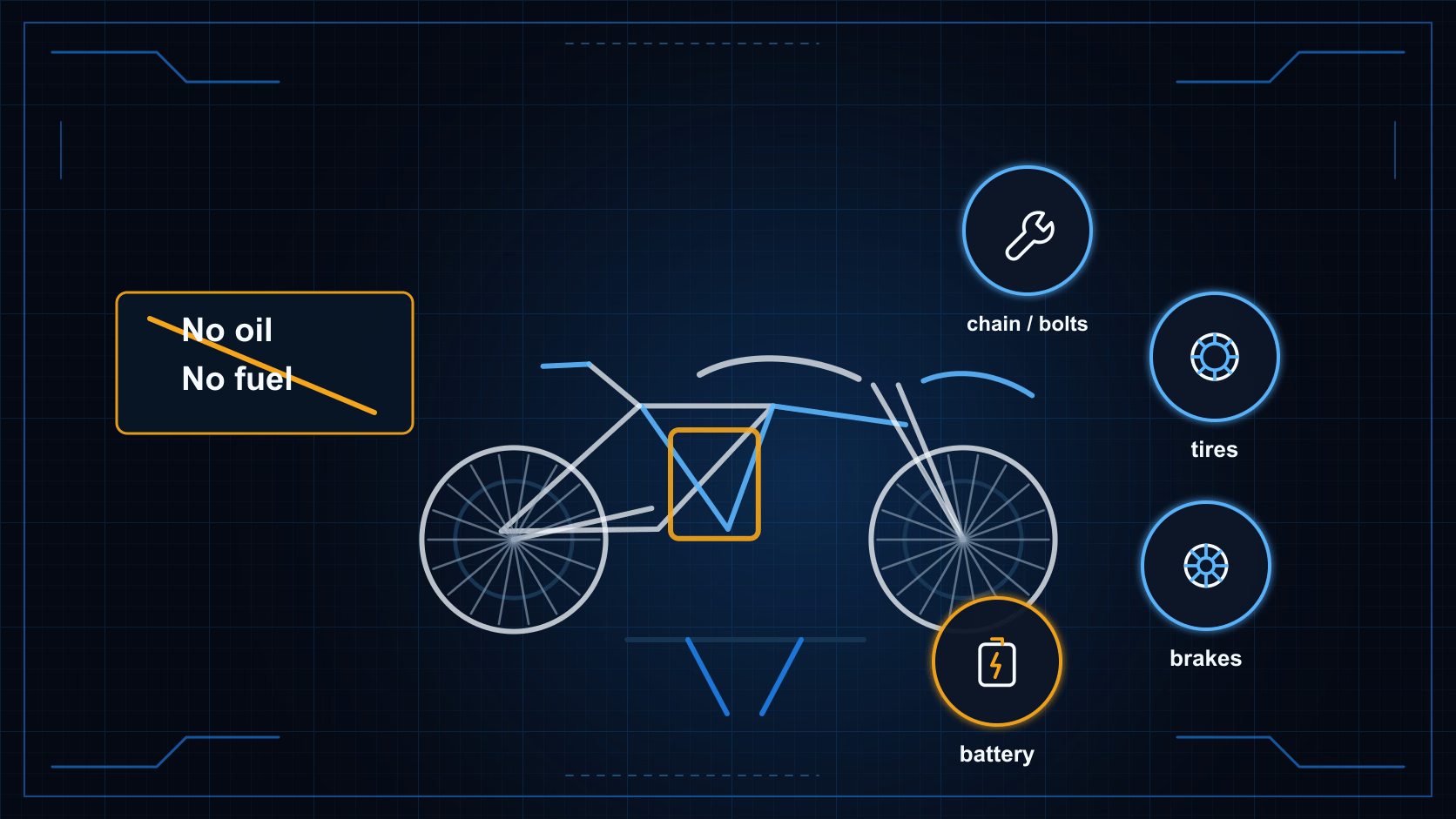
Electric dirt bikes are dramatically lower-maintenance than gas — that's one of the best things about them. There's no oil to change, no fuel, no carburetor to clean, no spark plug or air filter. What's left is simple and mechanical: chain or belt, tires, brakes, bolts, and battery care. Do those and your bike will run reliably for years.
What you don't have to do
Everything on this gas-bike chore list simply doesn't exist on an electric:
- No oil changes or oil to check.
- No fuel, fuel filter, or stabilizer.
- No carburetor to clean or jet.
- No spark plug or ignition service.
- No air filter to wash and re-oil.
- No valve adjustments or top-end rebuilds.
That's the bulk of gas-bike maintenance — gone.
What you do need to do
- Chain or belt. Chain-drive bikes (most Sur-Rons, Talarias) need the chain cleaned, lubed, and tensioned regularly — the single most frequent task. Belt-drive bikes (Volcon Grunt, Cake, Delfast) are far lower-maintenance here: no lube, minimal adjustment.
- Tires. Check pressure before rides, inspect for wear and cuts, and replace when the knobs are gone. Correct pressure also protects your range and grip.
- Brakes. Inspect pads for wear, check the hydraulic fluid level, and bleed the brakes periodically. These are your safety system — don't ignore them.
- Bolts & suspension. Off-road vibration loosens fasteners; periodically check key bolts (axles, controls, motor mounts) to torque. Have the suspension serviced per the maker's interval if you ride hard.
- Cleaning. Keep it clean, but wash gently — avoid blasting high-pressure water at the motor, controller, battery connectors, bearings, and seals. Dry it before charging. (Riding in the wet? See can you ride in the rain?)
The battery: your most important maintenance
The battery is the heart of the bike and the one component your habits most affect. It doesn't need "servicing," but it does need good habits:
- Charge smart. Use the supplied charger. Charge to full for a ride, but don't leave the pack sitting at 100% (or fully drained) for long stretches.
- Avoid heat. Don't charge or store a hot battery, and keep it out of direct summer heat — heat is the enemy of lithium longevity.
- Store it right. For long storage, keep the pack around 50–60% charge in a cool, dry place, and top it up occasionally.
- Expect gradual fade. After roughly 500–1,000+ charge cycles (several years for most riders) you'll notice range dropping. Eventually a replacement pack — roughly $1,000–$2,500 — is the main long-term cost (see our cost guide).
Treat the battery well and it'll outlast a lot of abuse; treat it badly (deep discharges, heat, cheap chargers) and you'll pay for it in lost range.
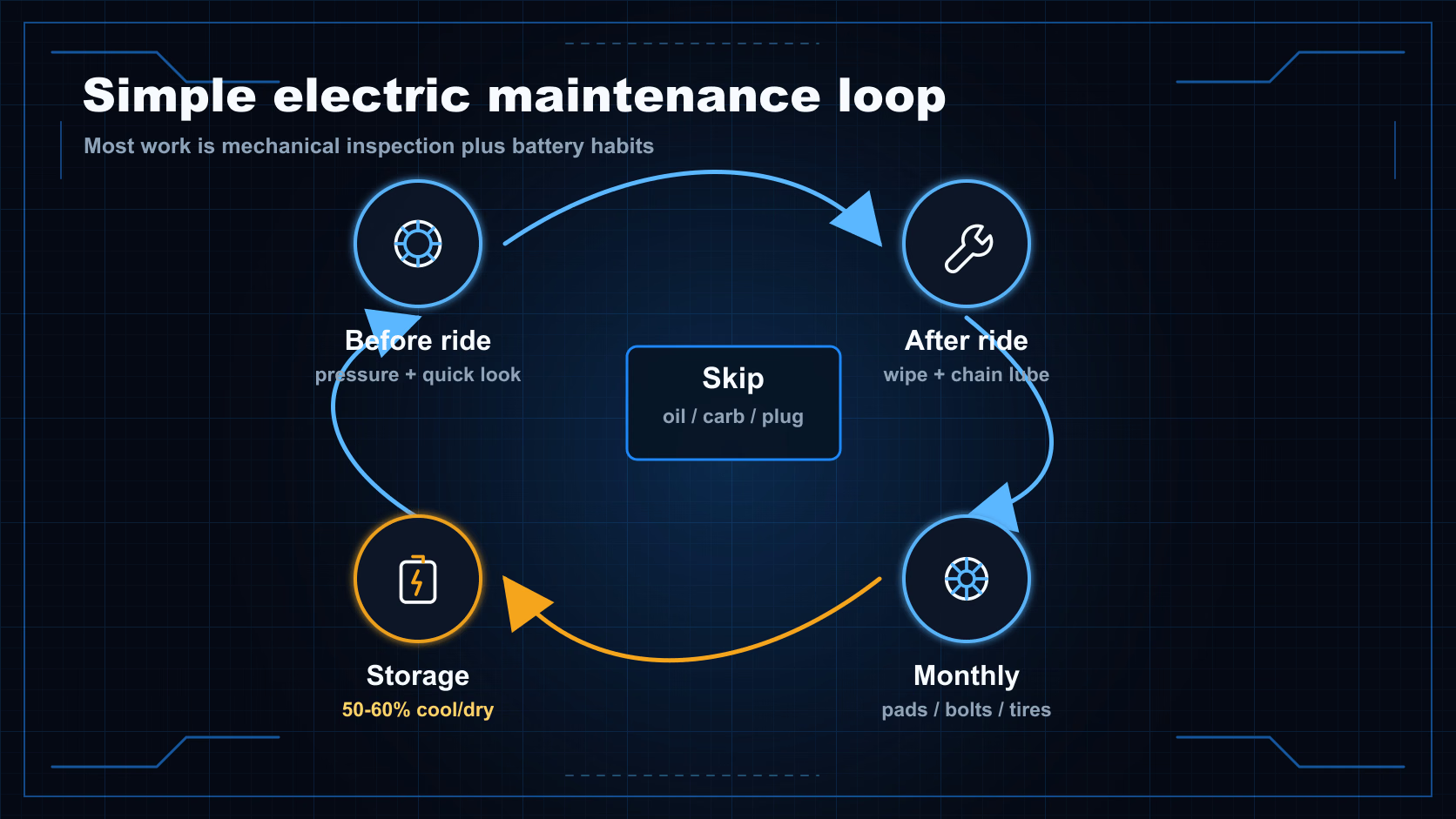
A simple schedule
- After every ride: quick wipe-down, check tire pressure, lube the chain if it's dry or you rode in mud/water.
- Monthly (or every few rides): inspect brake pads and tires, check key bolts, clean and re-lube the chain.
- Seasonally / per the manual: brake fluid check or bleed, suspension service if you ride hard, a full bolt check, and battery health/storage prep.
The bottom line
Electric dirt bikes reward you with minimal maintenance — mostly chain (or belt) care, tires, brakes, and smart battery habits. Skip the gas-bike chore list entirely, keep the battery happy, and you'll spend far more time riding than wrenching. That low upkeep is a real part of the value equation — factor it in alongside the purchase price when you compare against gas. Not sure which bike fits your riding? Run the Find Your Ride configurator.
VoltRipper is independent — our guidance is general best practice; always follow your specific bike's owner's manual for intervals and battery handling. Affiliate disclosure is included on monetized pages.
FAQ
Do electric dirt bikes need maintenance?
Yes, but far less than a gas bike. There's no oil, fuel, spark plug, carburetor, or air filter to service. What remains is mostly mechanical: chain or belt upkeep, tire pressure and wear, brake pads and fluid, bolt checks, and — most importantly — good battery habits.
How do I take care of an electric dirt bike battery?
Avoid fully draining it, don't leave it in extreme heat, use the charger it came with, and for long-term storage keep it around 50–60% charge in a cool, dry place. Charge to full for a ride, but don't leave it sitting at 100% or 0% for weeks. Good habits are the single biggest thing you control in the bike's lifespan.
How long does an electric dirt bike battery last?
Typically several years or roughly 500–1,000+ charge cycles before you notice meaningful range loss. It degrades gradually rather than failing outright. Eventually a replacement pack (roughly $1,000–$2,500 depending on the bike) is the one significant long-term ownership cost — see our cost guide.
Can you pressure wash an electric dirt bike?
Carefully, if at all. Avoid aiming high-pressure water at the motor, controller, battery connectors, wheel bearings, and any seals. A gentle hose, a bucket, and a brush are safer. Let it dry before charging, and never open the battery.
Sources
Specification sources
- Sur-Ron Light Bee XATV Wholesale Outlet - 2026 Sur-Ron Light Bee X (72V/35Ah, 10 kW), $4,699 from $4,999Checked
- Talaria KomodoRonster Rides - Talaria Komodo dealer listingChecked
- Talaria Sting R MX4Talaria Canada - Sting R MX4 specificationsChecked