Under $5,000 is the performance sweet spot of electric dirt bikes — the band where you get genuine capability without paying premium prices. For trail riding the Scores top out at 92, with four very different bikes tied just behind:
Most complete — E-Ride Pro SS 3.0 (Score 92, $4,699): 15.8 kW, 60 mph, a swappable 3.6 kWh pack, reverse, and an app — the richest feature set under the cap. It is expert-rated, and stock is limited.
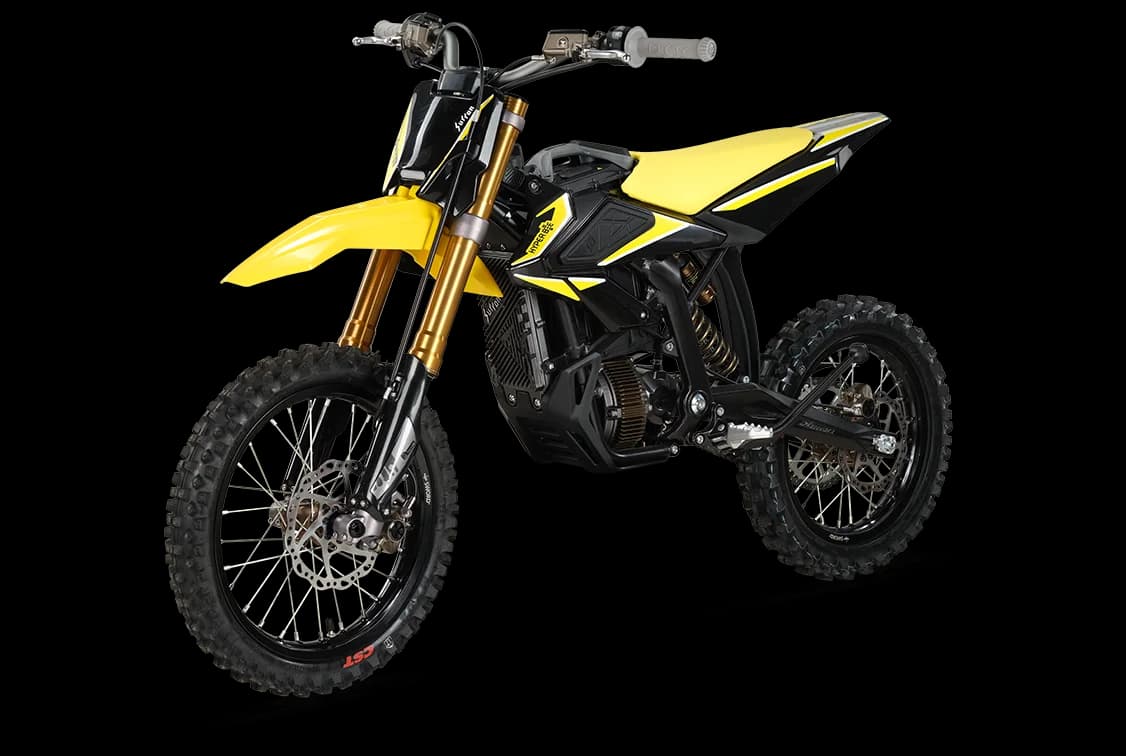
Most speed per dollar — Rawrr Mantis X Pro (Score 89, $3,899): 15 kW and 65 mph — the fastest trail bike under the cap and the cheapest bike on this page.
Most approachable — Apollo RFN Ares (Score 89, $4,799): less power (12.5 kW / 50 mph), but the only trail bike here with a factory headlight, plus a street-kit path and the longest published warranty on the page, 24 months.
Newest Sting hardware — Talaria Sting MX5 Pro (Score 89, ~$4,990): more power and suspension than the Light Bee X — no longer for less money (repriced July 2026).
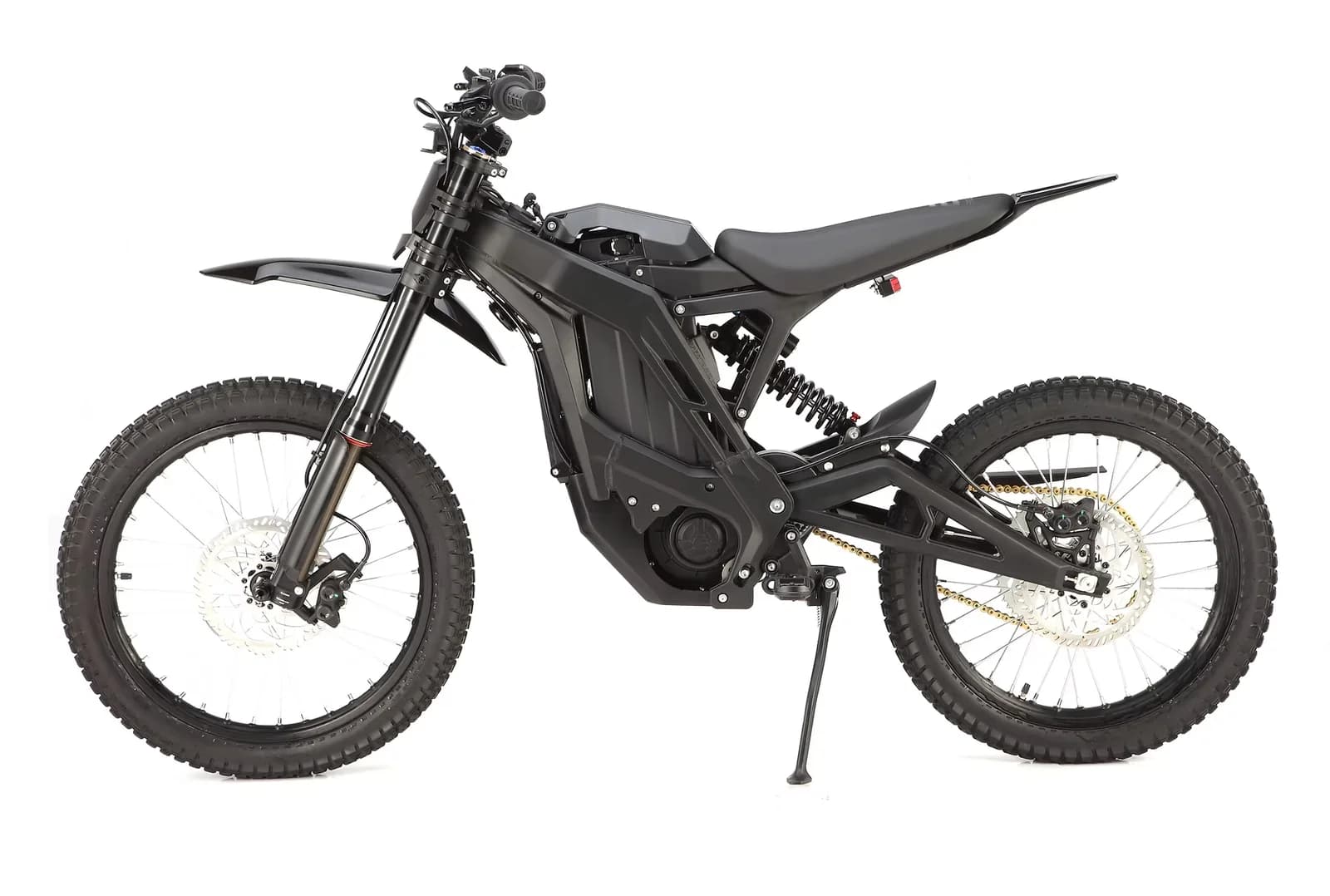
The benchmark — Sur-Ron Light Bee X (Score 89, $4,499): the deepest aftermarket in the class and the platform you'll never outgrow.
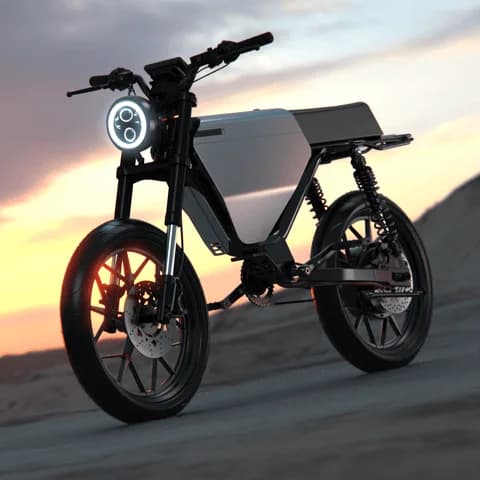
The one adult bike that out-scores them all is not a trail bike. The Onyx RCR scores 94 at $4,699 — the highest Score of any adult bike under $5,000. It is a moped-style dual-sport with a hub drive, lights and a street-kit path, and by its own spec sheet it is heavy and moped-shaped, less capable in technical off-road than a true dirt bike. If your riding is mostly roads and light trails, it may be the best bike on this page for you, and our commuting picks lead with it. If you ride trails, start with the list above.
The honest framing: below $4,000 you compromise on power and build; above $5,000 you pay for brand depth, a bigger battery, or a full-size chassis. This tier is where the money works hardest.
15 kW, 65 mph, swappable 2,520 Wh pack — the lowest price here
Most approachable + street-kit
Apollo RFN Ares
89
$4,799
50 mph, but a headlight, a kit path, and a 24-month warranty
Newest Sting
Talaria Sting MX5 Pro
89
$4,990
13.4 kW, 59 mph — the most Sting hardware under $5k
The benchmark
Sur-Ron Light Bee X
89
$4,499
130 lb, the deepest aftermarket — never outgrow it
Highest adult Score (a commuter)
Onyx RCR
94
$4,699
15 kW, 65 mph, lights and a street kit — moped-style, not a trail bike
Most complete — E-Ride Pro SS 3.0. It sits right at the cap and earns it: 15.8 kW, 60 mph, a swappable 3.6 kWh battery (carry a charged spare), reverse, an app, and adjustable suspension — the most feature-complete trail bike under $5k. It's expert-rated, so it rewards experience. (Full review →)
Most speed per dollar — Rawrr Mantis X Pro. The quickest trail bike left under the cap is also the cheapest one here: 15 kW peak and 65 mph for $3,899 (~$4,099 delivered), on a swappable 2,520 Wh pack with app-tunable ride modes and a stated 12-month warranty. It scores 89 rather than the 92 up top, and that gap is real — less complete than the SS 3.0, less approachable than the Ares — but no other trail bike under $5,000 makes this much power for this little money. (Full review →)
Why the Altis Sigma is no longer on this page. It was here at $4,799 on our figures. That was the 2025 model's price attached to the 2026 model's specs — Altis sells both, and the 2026 bike we describe (25 kW, 80 mph) costs $5,299. Corrected on 2026-07-20, which puts it above this page's cap. It is still the fastest thing we rank; it is simply no longer a sub-$5,000 bike. See fastest or the full review.
Most approachable — Apollo RFN Ares. The flip side of the Mantis X Pro: only 12.5 kW / 50 mph, but it is the only trail bike here with a factory headlight, and it pairs that with a street-kit path and the longest published warranty on the page, 24 months. Where the SS 3.0 is expert-rated, the Ares is intermediate-rated — the friendliest way into serious sub-$5k performance. (Full review →)
Newest Sting hardware — Talaria Sting MX5 Pro. Talaria's 72V Sting standout: 13.4 kW and 59 mph for $4,990 — more power and suspension than the Light Bee X, with real dealer support. It ships limited to 20 mph, so plan to derestrict. Note the July 2026 repricing: at its earlier ~$4,299 it undercut the Light Bee X and was our clear smart-money pick; at $4,990 it costs $491 more, so buy it for the hardware and Talaria's parts network rather than for the discount. (Full review →)
The benchmark — Sur-Ron Light Bee X. It scores 89 — level with three of the imports and three points below the SS 3.0 — but it's still the bike everything else is measured against: a light 130 lb chassis and the biggest aftermarket, dealer network, and owner community in electric dirt. Buy it if long-term support, upgrades, and resale matter more than a spec-sheet edge. (Full review →)
Highest adult Score, but a commuter — Onyx RCR. At $4,699 it out-scores every other adult bike under $5,000, with 15 kW, a 65 mph Sport mode and a 3.6 kWh pack. It is also 155 lb, shaped like a moped, driven through a hub motor, and ships speed-limited: a road-and-light-trail machine with lights, a street-kit path and almost no drivetrain to maintain. Buy it if that is your riding. (Full review →)
The headline of this tier: one 92, then four bikes tied at 89
The story under $5k is that four genuinely different trail bikes tie at 89, three points behind the E-Ride Pro SS 3.0 — the Rawrr Mantis X Pro, the Apollo RFN Ares, the Talaria Sting MX5 Pro and the Sur-Ron Light Bee X. They score the same for opposite reasons: the Rawrr on power per dollar, the Apollo on approachability, warranty and a street path, the MX5 Pro on the newest 72V Sting hardware, and the Light Bee X on support. That means the "best under $5k" genuinely depends on the rider, not the ranking. We break the top of the field down in detail — Altis Sigma vs Apollo RFN Ares vs E-Ride Pro SS 3.0 — because how close they run is the whole point.
On a tighter budget? Look one tier down
If $5,000 is more than you want to spend, the under-$4,000 tier still buys a real light electric dirt bike — the Rawrr Mantis X Pro ($3,899, and the highest-scoring adult bike under that cap), its beginner-rated sibling the Rawrr Mantis X ($2,999), and the 10 kW 79Bike Falcon Pro ($3,599). You give up some power, battery, and polish versus the $4–5k band, but they're genuine bikes, not toys. The honest advice remains: if you can stretch into the $4,000–5,000 tier, you get meaningfully more bike for the money.
The trap: kids' bikes are under $5,000 too
The price filter is literal, so youth and kids' models show up on this page. That does not mean a Razor, Hiboy DK1, STACYC, or the youth OSET belongs in the same buying decision as an E-Ride or a Sur-Ron. If the rider is a child, use the kids' guide and rank by fit, not spec. If the rider is an adult, ignore the youth end and start the real comparison where the Light Bee X and Talaria MX5 Pro sit.
The bottom line
Under $5,000 is where electric dirt bikes make the most sense. Want the most complete trail bike? The E-Ride Pro SS 3.0. Raw speed for the least money? The Rawrr Mantis X Pro. Approachability, a warranty, and a street path? The Apollo RFN Ares. The newest Sting hardware? The Talaria Sting MX5 Pro. The safest, best-supported buy? The Sur-Ron Light Bee X. Mostly roads and light trails? The Onyx RCR, the highest adult Score under the cap. Don't let a tied Score flatten a real decision — match the bike to how you actually ride. Not sure which fits your size, skill, and terrain? Run the Find Your Ride configurator.
VoltRipper is independent — our picks come from verified specs and the transparent VoltRipper Score, not commissions. Affiliate disclosure is included on monetized pages, and we are spec-verified/data-driven rather than hands-on until first-hand testing exists.
FAQ
What is the best electric dirt bike under $5,000?
For trail riding, the E-Ride Pro SS 3.0 ($4,699, Score 92) — the most complete trail bike here, with a swappable 3.6 kWh pack, reverse, and an app. Four bikes tie just behind it at 89: the Rawrr Mantis X Pro ($3,899) for speed per dollar, the Apollo RFN Ares ($4,799) for approachability and a 24-month warranty, the Talaria Sting MX5 Pro ($4,990) for the newest Sting hardware, and the Sur-Ron Light Bee X ($4,499) for support. The highest Score of any adult bike under $5,000 belongs to the Onyx RCR ($4,699, 94), but it is a moped-style dual-sport built for commuting, not a trail bike.
Is under $5,000 the sweet spot for an electric dirt bike?
Arguably yes — it's where several of the best-scoring bikes in their own classes live: the 92-point E-Ride Pro SS 3.0 at the top of the trail bikes, four bikes tied at 89 behind it, and the 94-point Onyx RCR among commuters. Below $4,000 you start compromising on power, battery, and build; above $5,000 you're mostly paying for brand depth, a bigger battery, or a full-size chassis.
Is the Sur-Ron Light Bee X under $5,000?
Yes — at $4,499 it fits comfortably (it misses the stricter under-$4,000 cutoff). It scores 89, level with three of the imports and three points below the E-Ride Pro SS 3.0, but it's the class benchmark: the deepest aftermarket, the widest dealer network, and the platform you'll never outgrow. If long-term support and resale matter more than a spec-sheet edge, it's still the safest buy in this tier.
Are there kids' bikes under $5,000?
Yes — the price filter is literal, so youth and kids' models appear too. Ignore that end for an adult purchase: a Razor, Hiboy, or STACYC isn't in the same buying decision as an E-Ride or a Sur-Ron. If the rider is a child, use our kids' guide; if the rider is an adult, start the real comparison at the 89-point tier — the Light Bee X, Talaria MX5 Pro, Apollo RFN Ares and Rawrr Mantis X Pro.