The short answer
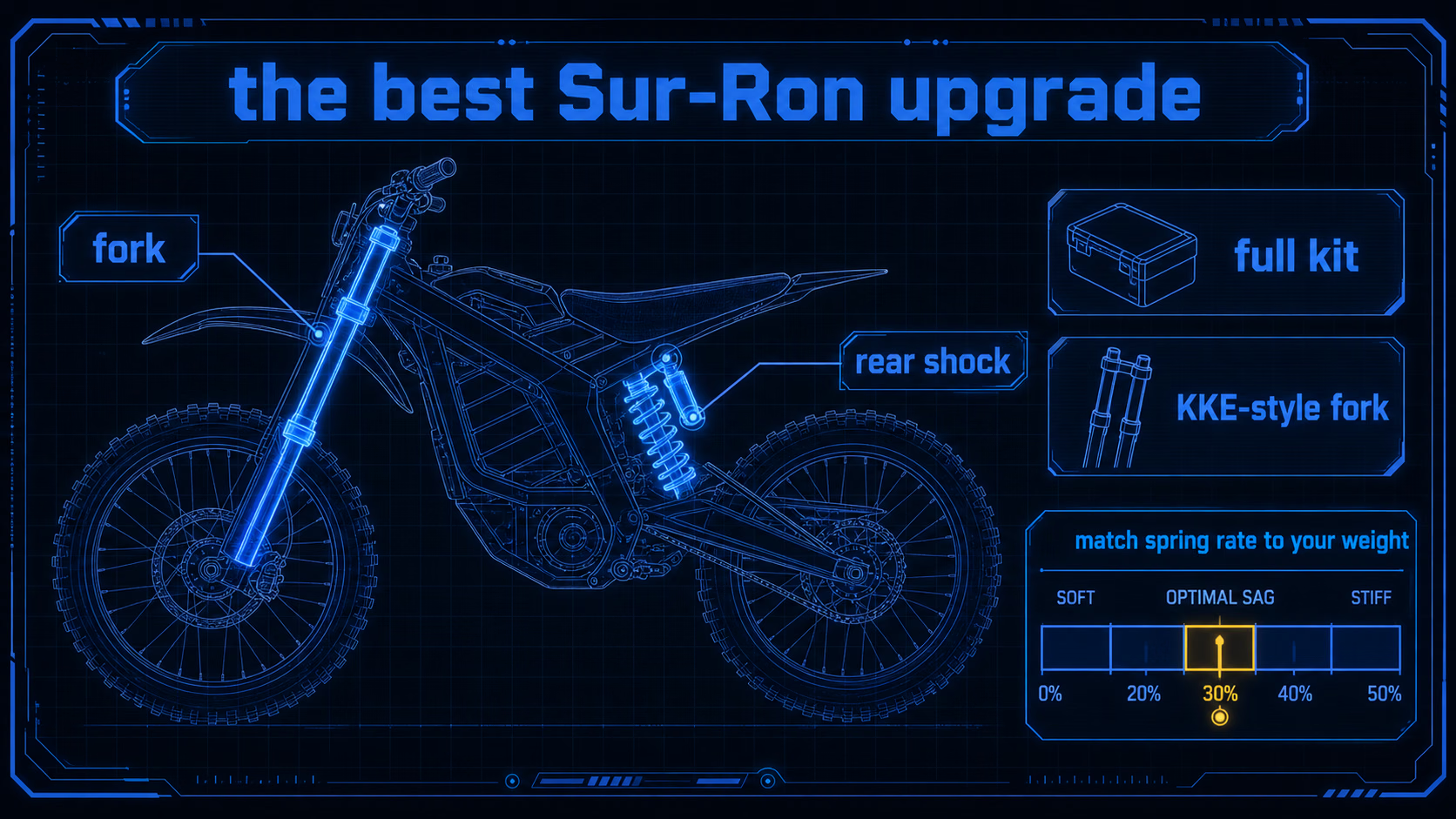
If you upgrade one thing on a Sur-Ron Light Bee X, upgrade the suspension. The stock fork and shock are the weakest link on most bikes in this class, and better suspension does more for comfort, control, and confidence on rough ground than any power mod — for every rider, at every speed, with none of the battery, heat, warranty, or legal trade-offs a controller brings.
It's the least glamorous upgrade and the one that most changes how the bike feels. Start here.
Why suspension beats power
More power makes the bike faster on the parts of the trail you were already comfortable on. Better suspension makes the whole trail rideable — it keeps the tire on the ground, soaks up the hits that beat you up and slow you down, and gives you the confidence to carry speed where the stock bike bounced and deflected.
It also helps every rider, unlike power, which only helps riders skilled enough to use it. That's why our upgrades guide puts the "ride better, stop better, grip better" trio — suspension, brakes, tires — ahead of any power upgrade.
Fork, shock, or full kit?
Start with whatever end is worst for how you ride:
- Front fork — the usual first move. The stock fork dives and deflects on rough ground; a better fork is the single biggest ride improvement most riders feel. Options run from springs/emulators in the stock fork (cheapest) up to a full aftermarket fork (the real upgrade).
- Rear shock. Sharpens control under power and on landings, and matters more the harder and faster you ride.
- Full kit. Fork and shock together — the ceiling, and what serious builds run.
If money is tight, don't dismiss springs and emulators — they're a genuine step up for a fraction of a full fork, and a smart first move before committing to a complete replacement.
The cheapest win: re-spring the stock shock
Before a new fork or shock, a heavier rider's biggest complaint — bottoming and wallowing — is often fixed for ~$35–$80 by fitting the right-rate spring in the stock shock. Match it to your Sur-Ron's stock shock and your weight:
Forks
For a complete front-fork upgrade, the KKE inverted fork is a popular value benchmark — a direct swap with real damping and weight-specific springs, well below boutique prices:
Stepping up, a fully-adjustable aftermarket fork — or a turnkey one custom-tuned to your weight:
Rear shocks
When a re-spring isn't enough, a proper aftermarket shock adds adjustability — a budget take-off, or a premium fully-adjustable unit:
Whatever you choose, match the spring rate to your geared-up weight and set sag. The right spring is what turns good hardware into a bike that holds up under you — see our heavy-rider picks for how weight changes the equation. Shorter riders can also drop the seat height:
Install and fitment, briefly
Most quality fork upgrades are designed as a direct swap, but fitment varies by model — some bikes (certain Talaria variants, for instance) can need minor work to clear the frame, much like fitting a bigger fork. Read the product's fitment notes for your exact bike before ordering, torque everything to spec on reassembly (a torque wrench is the cheapest reliability insurance there is — see maintenance), and set your sag once it's on.
The bottom line
Want every platform + the full product list? See the complete electric dirt bike suspension-upgrades round-up.
Suspension is the best money you'll spend on a Sur-Ron — it improves every ride, helps every rider, and carries none of the trade-offs of chasing power. Start with the front fork (or springs/emulators if budget is tight), match the spring to your weight, and add a rear shock or full kit as you progress. Do this before a controller, not after. Still choosing the bike itself? The upgrades guide lays out the full order of operations, and the Find Your Ride configurator matches a bike to your size and terrain.
VoltRipper is independent — we don't sell parts and our recommendations aren't pay-to-play. Suspension setup affects safety and handling; follow your component manufacturers' fitment and torque specs and set sag for your weight. Affiliate disclosure is included on monetized pages, and we're spec-verified/data-driven rather than hands-on until first-hand testing exists.
FAQ
What's the best first upgrade for a Sur-Ron?
Suspension. The stock fork and shock are the weakest link on most bikes in this class, and better suspension improves comfort, control, and confidence on rough ground more than any power upgrade - for every rider, at every speed, with none of the battery, heat, warranty, or legal trade-offs of a controller. If you upgrade one thing, upgrade this.
Fork, shock, or a full kit?
Start with the end that's worst for how you ride. For most trail riders the front fork is the first and biggest improvement, since the stock fork dives and deflects on rough ground. A rear shock upgrade sharpens control under power and on landings. A full kit does both and is the ceiling. If budget is tight, upgraded springs or emulators in the stock fork are a real, cheaper step before a full fork replacement.
Does spring rate matter for my weight?
A lot. Suspension is tuned around rider weight, so a heavier or lighter rider than stock will want a matched spring rate to get the right sag and support - the wrong spring undoes the benefit of good hardware. Many upgrade forks and shocks are offered in weight-specific spring options; pick for your geared-up riding weight, not the factory default.
Are bolt-on fork upgrades hard to install?
Most quality fork upgrades for the Sur-Ron platform are designed as a direct swap, but fitment varies by model - some bikes (certain Talaria variants, for example) can need minor work to clear the frame, similar to fitting a larger fork. Always read the product's fitment notes for your exact bike before ordering, and torque everything to spec on reassembly.