The short answer
A battery is the one upgrade that actually fixes range — and the only one that fixes sustained power rather than a short burst of it. It's also one of the most expensive changes you can make to a Sur-Ron Light Bee X, so it's worth doing deliberately, not impulsively.
Buy a bigger or higher-power pack if you consistently run out of range, if you want to run a high-power controller without the battery becoming the weak link, or if you ride hard enough that the stock pack sags. Skip it if your real complaint is "I want a quicker launch" — that's a controller job, and it's cheaper.
What a battery upgrade actually does
Two different things, and it's worth being clear which one you're buying:
- More capacity → more range. A pack with more usable energy simply lasts longer between charges. This is the fix for range anxiety.
- More power delivery → more sustained output. A high-power pack holds voltage under load better, so the bike doesn't sag as hard when you're deep in the throttle or running a bigger controller. This is the fix for a bike that "runs out of punch" when ridden hard, and it's what keeps a big controller fed.
The best aftermarket packs do both. The catch is that energy and power both cost money and weight, which is why this is the pricey end of the upgrade menu.
The honest range math
Here's the part most upgrade sellers skip: aftermarket range claims are as optimistic as the original ones. A pack advertised to add "X miles" is quoting a gentle, flat, light-rider best case. Real riding — aggressive throttle, hills, a heavier rider, cold weather, and especially a bigger controller — pulls the real number well below the sticker.
Budget off the real figure, not the spec sheet. Our range guide explains why claimed range runs optimistic and how to estimate your own, and the long-range rankings show what the honest numbers look like across the class. Upgrade your battery to move that real number up — just don't expect the marketing figure.
The benchmark high-power pack
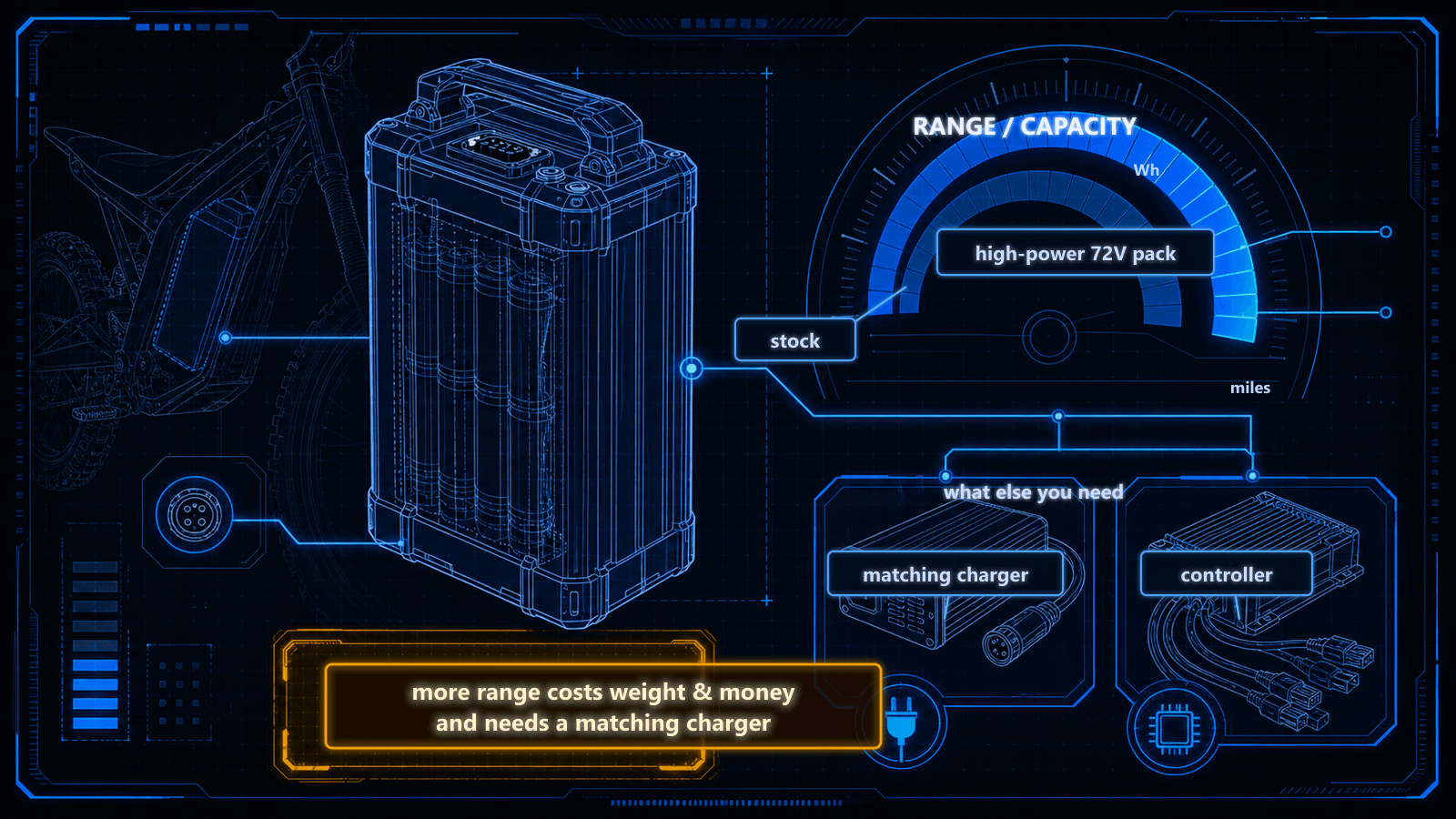
For the Light Bee X, the EBMX high-power 72V pack is the established performance option: a higher-power 72V battery built to keep the stock motor fed (and cooler) when you ride hard or run a big controller. It's sold in standard and race configurations, and it's the pack most serious Sur-Ron builds are based on.
It is not cheap, and that's the honest trade-off — this is the single most expensive common upgrade on the bike, and it's aimed at riders who genuinely use the power, not casual trail riders.
What else you need to run one
A high-power pack rarely drops in alone. Plan for:
- A matching charger. Confirm voltage/amperage compatibility, and never pair a mismatched or no-name charger with an aftermarket pack — that's the one corner you can't cut safely. A dedicated fast charger also cuts the downtime that a bigger pack would otherwise add.
- A compatible controller, for the full benefit. The pack's power delivery only matters if the controller can use it. High-power battery and controller upgrades are usually done together on serious builds.
- A fitment check. Aftermarket packs can sit differently than stock — EBMX's Sur-Ron pack, for example, sits higher and includes an extended battery clip so the stock cover still latches. Read the product notes before you order.
(On an Ultra Bee, match its 74V charger instead — never a 72V charger on a 74V pack or vice-versa:)
The cheaper alternative: a second stock pack
If your problem is range and not power, the most cost-effective fix isn't a high-power pack at all — it's a second battery. A spare stock (or stock-capacity) pack you swap mid-ride doubles your day for less money than a single premium high-power unit, with no controller or fitment complications. It's less glamorous, but for a lot of trail and hunting riders it's the smarter buy. The high-power pack earns its premium when you also want the sustained power, not just the miles.
Battery safety, briefly
A quality pack treated correctly is safe, but a high-capacity lithium battery deserves respect:
- Buy reputable, not mystery-import. Brand, cells, and BMS quality are what separate a safe pack from a risk.
- Use the manufacturer-recommended charger, charge attended, on a hard surface, away from exits and anything flammable — never while sleeping or away from home.
- Never ride or charge a damaged pack. Crashed hard, swollen, unusually hot, hissing, or leaking means isolate and inspect before use.
The full routine — charge levels, storage temperature, off-season care — is in our charging and maintenance guides.
The bottom line
Want every platform + the full product list? See the complete batteries & chargers buyer's guide.
A battery is the honest fix for range and sustained power — and the priciest common upgrade on a Sur-Ron. Buy a high-power 72V pack if you run a big controller or genuinely out-ride the stock pack; buy a second stock pack if you just want more miles for less money; and either way, budget off real-world range, use the right charger, and treat the pack with respect. Not sure the Light Bee X is even the right base for your plans? The upgrades guide covers what to do first, and the Find Your Ride configurator matches a bike to how you actually ride.
VoltRipper is independent — we don't sell parts and our recommendations aren't pay-to-play. Battery and electrical modifications can affect range, reliability, warranty, and street-legal status; follow your pack and charger manufacturers' instructions and your bike's owner's manual. Affiliate disclosure is included on monetized pages, and we're spec-verified/data-driven rather than hands-on until first-hand testing exists.
FAQ
Is a battery upgrade worth it on a Sur-Ron?
If range or sustained power is your real complaint, yes - a bigger or higher-power pack is the only upgrade that genuinely fixes both, because it addresses the source rather than a symptom. If you just want more acceleration in short bursts, a controller is cheaper. A high-power aftermarket pack is one of the priciest upgrades on the bike (often ~$1,600-$2,000+), so it's worth it for riders who consistently run out of range or want to run a big controller, and overkill for casual trail laps.
How much range does a Sur-Ron battery upgrade add?
It depends on the pack's capacity and how you ride, and honest numbers are lower than the marketing. Aftermarket range claims are as optimistic as the bike's original claim - plan off real-world riding, not the spec sheet. A higher-capacity pack meaningfully extends range, but aggressive riding, a bigger controller, heavier riders, and cold weather all shrink it. Treat any quoted mileage as a best case.
What else do I need to run a high-power battery?
Usually a matching charger and, for the full benefit, a compatible high-power controller. High-power packs often ship with a fitment quirk too - for example, EBMX's Sur-Ron pack sits higher than stock and includes an extended battery clip so the cover still latches. Confirm charger voltage/amperage compatibility before you buy, and never mix a mismatched charger with an aftermarket pack.
Are aftermarket Sur-Ron batteries safe?
A quality pack from an established brand, charged and stored correctly, is safe - but a lithium pack deserves respect. Buy from a reputable source (not a mystery import), use the manufacturer-recommended charger, charge attended on a hard surface away from anything flammable, and never ride or charge a pack that's been crashed hard, is swollen, hot, or behaving strangely. A compromised pack is a fire risk.