Tracked price checks
Bikes in this guide
Sur-Ron
Light Bee X
Enormous aftermarket and parts ecosystem — the most-supported e-dirt-bike platform
Trade-off: Advertised range collapses at speed — plan for real-world miles well under the claim
We may earn a commission if you buy through this link, at no extra cost to you.
Check price at ATV Wholesale OutletTalaria
Sting R MX4
Bigger 2,700 Wh (60V/45Ah) LG-cell pack than a stock Sur-Ron — more usable range
Trade-off: Ships factory-limited to 20 mph — needs derestriction to reach its ~40+ mph potential
We may earn a commission if you buy through this link, at no extra cost to you.
Check price at Luna CycleSur-Ron
Ultra Bee
Big 4.4 kWh (74V/60Ah) pack, ~24.5 kW HP listings, and a 59 mph top end — a real step up from the Light Bee
Trade-off: Heavier (~195 lb) and more bike than a beginner needs
We may earn a commission if you buy through this link, at no extra cost to you.
Check price at Boca ScootersThe short answer
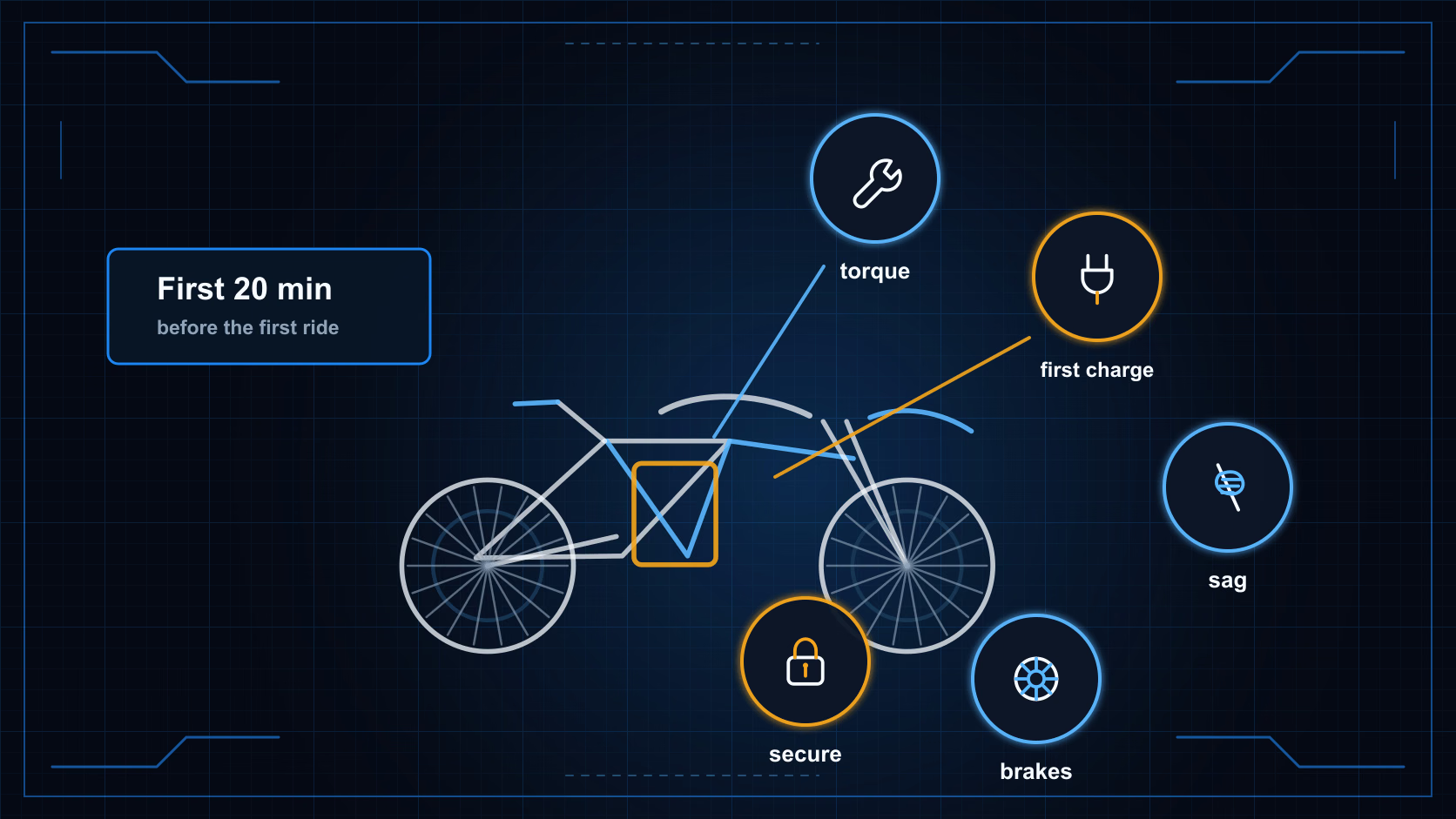
The 20 minutes before your first ride matter more than any upgrade. New electric dirt bikes — especially Sur-Ron-class bikes — often ship partially assembled and with fasteners that aren't fully torqued, and they vibrate hard enough to shed bolts on the first ride. A quick setup pass fixes the most common new-owner problems before they happen.
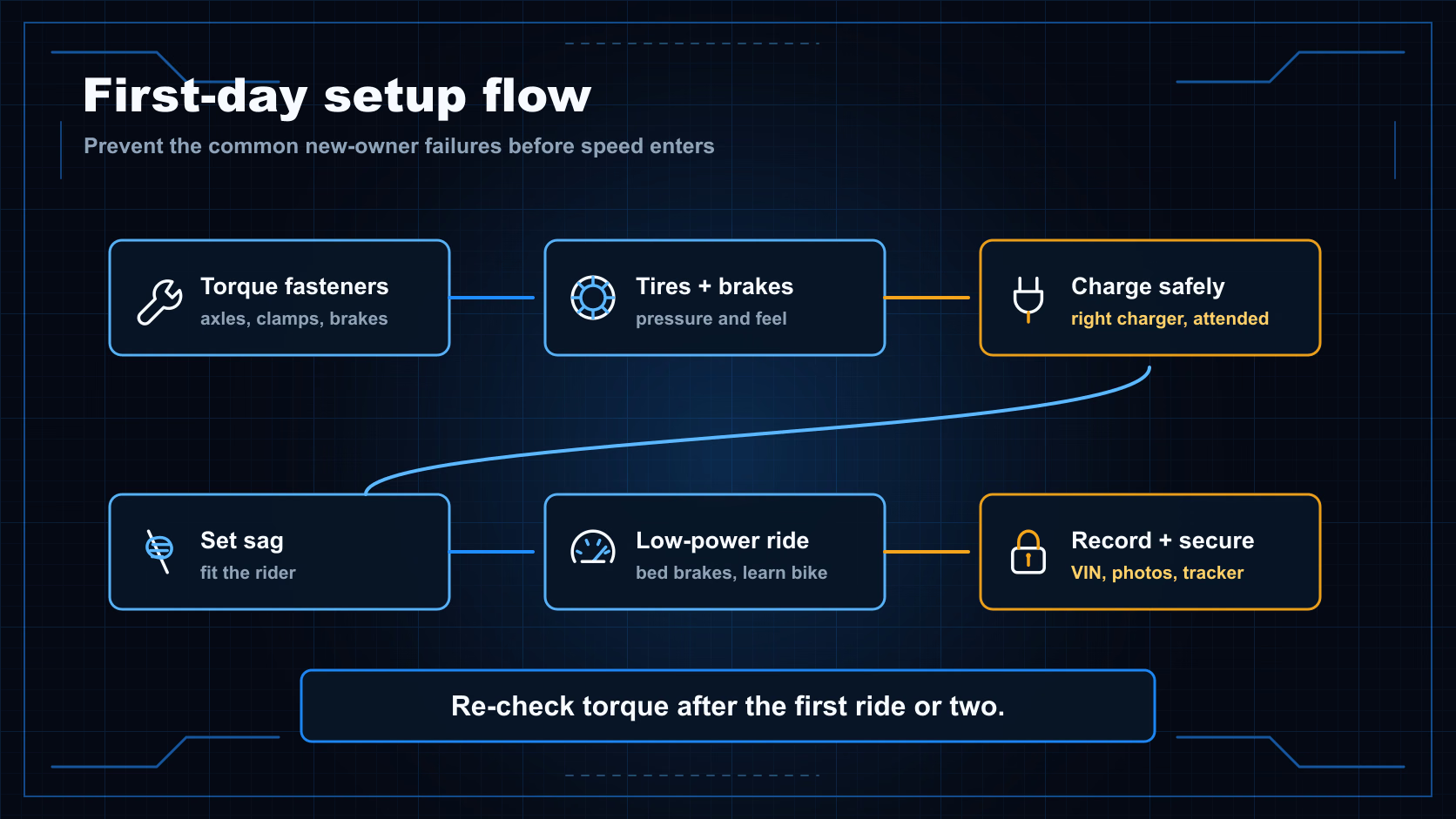
Here's the first-day checklist, in order.
1. Before you ride: check every important bolt
This is the single most valuable thing you can do with a new bike. Go over the critical fasteners with a torque wrench and set them to spec:
- Axle nuts (front and rear)
- Triple clamp / steering hardware
- Handlebar clamps and controls
- Motor mounts and sprocket bolts
- Brake caliper and rotor hardware
Then set tire pressure to spec and confirm both brakes work firmly. A torque wrench is the cheapest reliability insurance you can buy — see the tools in our accessories guide and the schedule in maintenance.
2. Do a proper first charge
- Use the supplied (or manufacturer-recommended) charger — never a cheap or mismatched one.
- Charge attended, on a hard surface, away from anything flammable.
- Don't charge a cold pack — let it reach room temperature first (see cold-weather if it arrived in winter).
- Charge to full before the first ride.
The complete safe-charging routine is in the charging guide.
3. Set it up for you, not the factory
The most-skipped setup step is suspension sag — the amount the suspension settles under your weight. The factory setting is for an average rider, and if you're heavier or lighter it's wrong for you, which undoes the bike's handling. Set your sag (and consider a weight-matched spring if you're well outside average — see the suspension guide).
While you're at it, adjust the lever and bar position so the controls fall naturally to your hands. Small fit changes make a big difference in control and fatigue.
4. Break it in — the electric way
There's no engine to break in, but three things still benefit from an easy start:
- Bed in the brakes with a series of moderate stops before you rely on them hard.
- Let the fasteners settle — then re-check torque after the first ride or two, because vibration will have moved things.
- Learn the bike. Start in the lowest power mode, ride smoothly for the first few sessions, and open it up as your skills grow. A fast, torquey bike rewards a gradual introduction — see how to ride.
5. Protect the investment on day one
Two protections belong in place immediately:
- Security. A Sur-Ron or Talaria is a prime theft target — compact, valuable, and easy to lift into a van. Add a hardened lock and a hidden GPS tracker before the bike sits anywhere unattended.
- Records. Photograph the bike, and write down the VIN/serial number and store it safely. If it's ever stolen, that record is what gives you a chance of recovery and a valid police report.
Then register your warranty with the manufacturer or dealer so you're covered from the start.
6. Gear up before you go fast
Never take the first ride without full protective gear — a DOT helmet, goggles, gloves, over-the-ankle boots, and body protection. These bikes reach real speed instantly, and the first ride on an unfamiliar, torquey machine is exactly when you want the gear on. Details and what to prioritize are in the safety gear guide.
The bottom line
Before the fun starts: torque-check the fasteners, do a proper first charge, set your sag, bed the brakes, start in low power, lock-and-track the bike, record the VIN, and gear up. Twenty minutes of setup turns a new e-moto from "hope nothing's loose" into a bike that's dialed to you and protected from day one. New to the whole category? Pair this with our how to ride guide, or match a bike to your size and skill with the Find Your Ride configurator.
VoltRipper is independent — our guidance comes from general electric-powersports best practice, not commissions. Your bike's owner's manual, torque specs, and manufacturer setup instructions take precedence over general advice. Affiliate disclosure is included on monetized pages, and we're spec-verified/data-driven rather than hands-on until first-hand testing exists.
FAQ
What should I do first with a new electric dirt bike?
Before you ride: check that every important fastener is torqued to spec, set tire pressure, and confirm the brakes work. These bikes often ship partially assembled and vibrate hard, so bolts can be loose from the factory or work loose on the first ride. Then do a full first charge with the supplied charger, set your suspension sag for your weight, and start riding in the lowest power mode. A 20-minute setup prevents the most common new-owner problems.
Do electric dirt bikes need a break-in period?
Not in the engine sense - there's no oil or piston rings to seat. But three things still benefit from an easy start: your brakes need a few stops to bed in, the fasteners settle on the first rides (so re-check torque afterward), and you need time to learn a fast, torquey bike. Start in low power mode, ride smoothly for the first few sessions, then re-torque key bolts and open it up as your skills grow.
Should I check the bolts on a new Sur-Ron?
Yes - it's the single most valuable thing you can do. Sur-Ron-class bikes are known to arrive with fasteners that aren't fully torqued and to shed bolts from vibration. Go over the axle nuts, triple clamp, handlebar clamps, motor mounts, sprocket, and brake hardware with a torque wrench before the first ride, and re-check after the first ride or two. It's the cheapest reliability insurance there is.
What accessories do I need on day one?
Two categories matter immediately: protection for you (a DOT helmet and full protective gear, never optional) and protection for the bike (a hardened lock and a hidden GPS tracker, because these bikes are prime theft targets). A torque wrench and basic tools come next. Everything else - covers, chargers, transport gear - can follow, but security and safety gear should be sorted before or with the bike.
Sources
Specification sources
- Sur-Ron Light Bee XATV Wholesale Outlet - 2026 Sur-Ron Light Bee X (72V/35Ah, 10 kW), $4,699 from $4,999Checked
- Talaria Sting R MX4Talaria Canada - Sting R MX4 specificationsChecked
- Sur-Ron Ultra BeeVoro Motors — Surron Ultra Bee HP SW 24.5kW 74V 60AhChecked