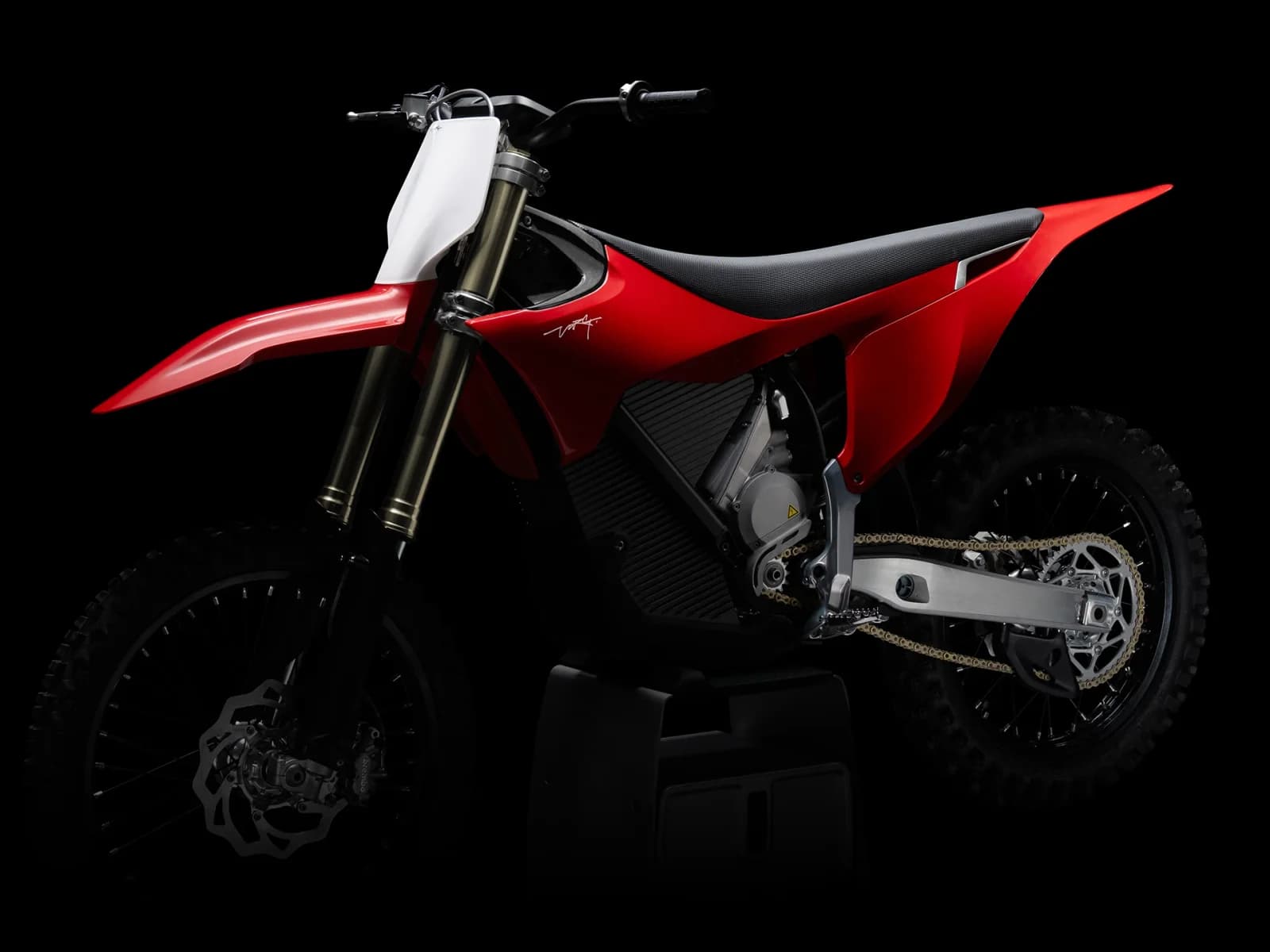
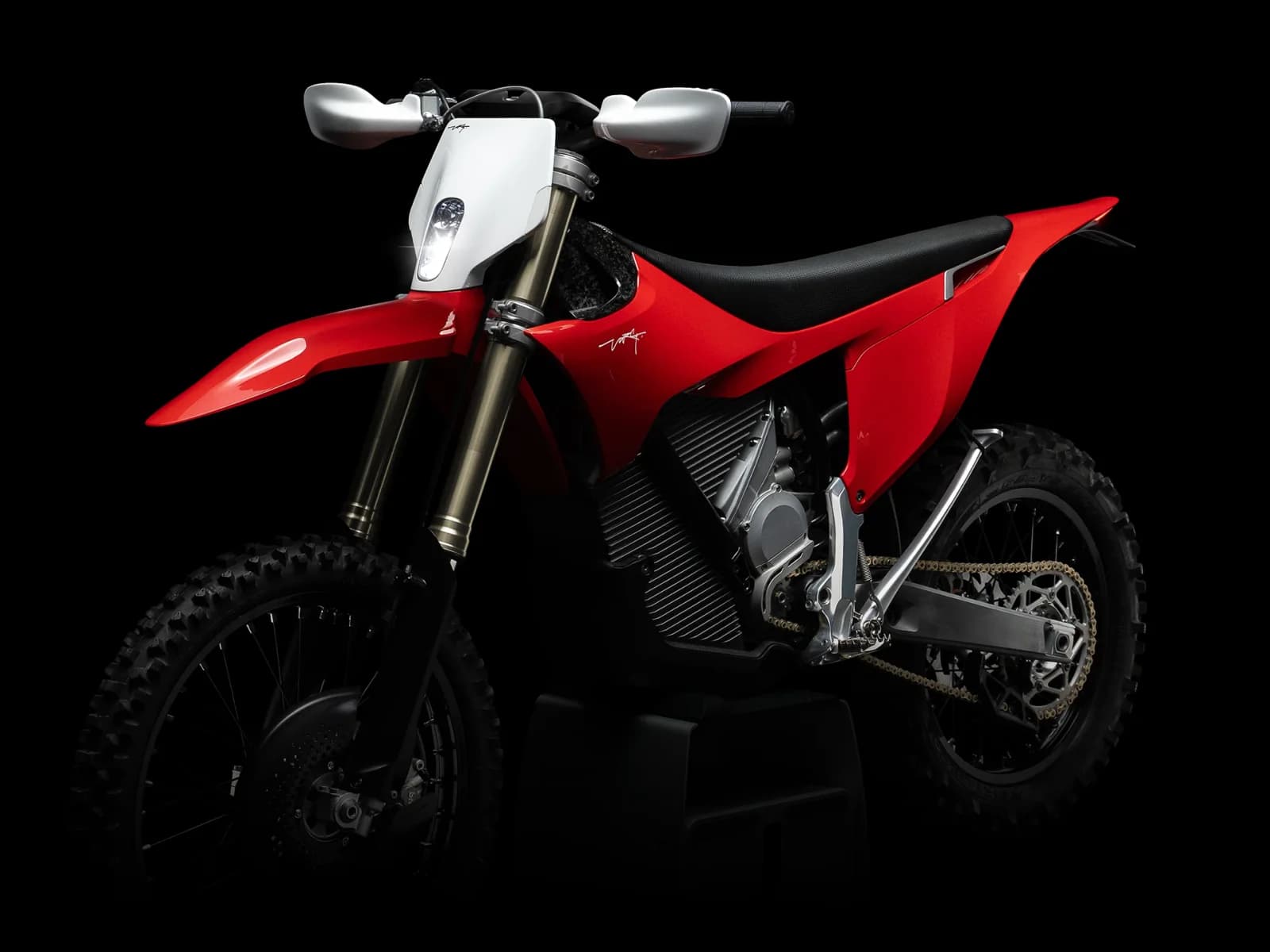
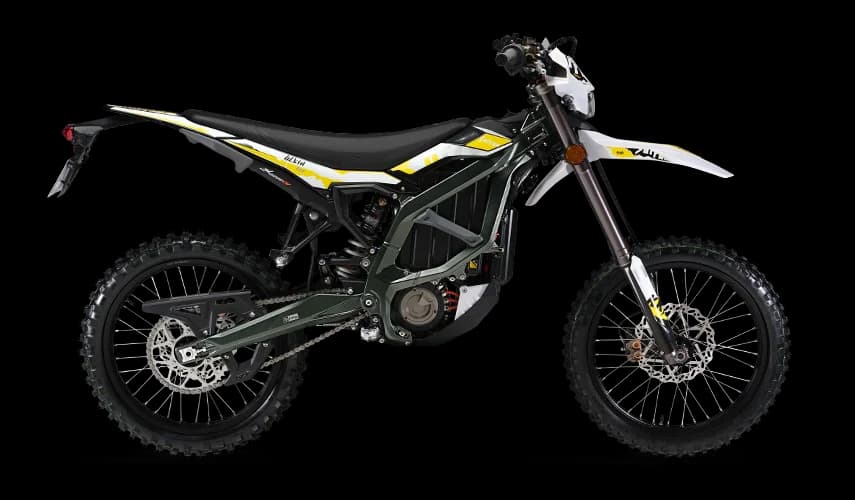
For purpose-built motocross, the Stark Varg MX (VoltRipper Score 95) is in a class of its own — the race-focused Varg, competing directly with gas 450s. The Stark Varg EX shares the 80 hp power class and adds road-legal enduro equipment, but if your job is MX gates, the MX trim is still the dedicated pick. For the electric race classes most riders actually enter, the Sur-Ron Ultra Bee (94) and Storm Bee (96) are the enthusiast picks, backed by the deepest race aftermarket in the sport. And you can go racing for far less on a Talaria Sting R MX4 or Rawrr Mantis X Pro. The thing to know first: race capability isn't top speed.
The one thing to understand: race capability ≠ top speed
The most common mistake is shopping for a race bike by its top-speed number. On a track, what wins is drive off the corners, suspension that survives hard landings, and durability over a full moto — not flat-out pace. The clearest proof is on our own board: the Stark Varg makes nearly 3× the power of a Sur-Ron Storm Bee yet shows a lower stock top speed, because it's geared for explosive acceleration, not top end (the full explanation is in our Stark vs Sur-Ron guide). Buy race suspension and acceleration, not a speedometer number.
15 kW / 65 mph for $3,899 — the cheapest way onto a track fast
Serious motocross — Stark Varg. If you're racing real MX against gas bikes, nothing here touches it: a full-size race chassis, genuine race suspension, and app-adjustable 10-80 hp so one bike trains and races. It's closed-course, expensive (~$11,990), and expert-only — but for actual motocross, it's the benchmark. (Full review → · do you really need it? Stark vs Talaria →)
Electric race classes — Sur-Ron Ultra Bee (or Storm Bee). Most "racing" in this world happens in the growing electric classes on Sur-Ron-platform bikes, and that's where the Ultra Bee shines: strong power, manageable weight, and the deepest aftermarket of race suspension, controllers, and cooling anywhere in the sport. Step up to the full-size Storm Bee if you want more bike. Upgrade suspension and cooling before you chase more power. (Full review →)
Value racing — Talaria Sting R MX4 or Rawrr Mantis X Pro. You don't need a $12k bike to go racing. The Rawrr Mantis X Pro ($3,899, 15 kW — the cheapest real power on this page) and Talaria Sting R MX4 (~$4,100) get you on a track for under $5k; budget for race suspension and you'll be competitive in club and amateur classes. (Full review →)
What to know before you race
Upgrade suspension and cooling first. On every bike except the Stark, the stock suspension is the limiter for hard track use, and heat management matters when you're on the power constantly. Power mods come last.
Electric classes are real — check your local series. Many tracks and series now run dedicated electric classes; the scene is growing fast, and the Sur-Ron platform dominates the entry lists.
Race context still matters. Most of these are off-road or closed-course machines; even road-legal models like the Varg EX still need legal riding locations and class rules that match the bike. See our street-legal guide for where they can and can't go.
The bottom line
For real, purpose-built motocross, the Stark Varg is the benchmark — and priced like one. For the electric race classes most people actually enter, a Sur-Ron Ultra Bee or Storm Bee with upgraded suspension is the smart enthusiast racer, and a Rawrr Mantis X Pro or Talaria Sting R MX4 gets you racing for under $5k. Whatever you choose, remember the rule: buy acceleration, suspension, and durability — not a top-speed number. Match the bike to your class and budget with the Find Your Ride configurator.
VoltRipper is independent — our picks come from verified specs and the transparent VoltRipper Score, not commissions. Affiliate disclosure is included on monetized pages, and we are spec-verified/data-driven rather than hands-on until first-hand testing exists.
FAQ
What is the best electric dirt bike for racing?
For serious, purpose-built motocross, the Stark Varg — it's the only bike here built from the ground up as a race machine (up to 80 hp, race-grade suspension, app-adjustable power) and competes directly with gas 450s. For the growing electric race classes (which most Sur-Ron/Talaria owners actually race), the Sur-Ron Ultra Bee and Storm Bee are the enthusiast picks, backed by the deepest aftermarket for race mods. For value, a Talaria Sting R MX4 or Rawrr Mantis X Pro gets you racing for far less.
Is the fastest electric dirt bike the best for racing?
No — this is the key thing to understand. Race capability is about acceleration off corners, suspension that survives hard landings, and durability over a moto, not outright top speed. The Stark Varg makes nearly 3x the power of a Sur-Ron Storm Bee yet shows a lower top speed, because it's geared for explosive drive, not flat-out pace. On a track, the bike that hooks up and turns beats the one with a bigger top-speed number.
Can you race a Sur-Ron?
Yes — electric dirt bike racing is a real and growing scene, and the Sur-Ron platform (Light Bee, Ultra Bee, Storm Bee) is the most-raced thanks to its huge aftermarket of race suspension, controllers, and motors. There are dedicated electric classes at many tracks and series. A stock Sur-Ron is a great club/amateur racer; serious racers upgrade suspension and cooling first, power second.
How much does a race-ready electric dirt bike cost?
A purpose-built Stark Varg is ~$11,990 — 450-class money for 450-class capability. But you can race for far less: a Sur-Ron Ultra Bee (~$6,499) or Storm Bee (~$8,999) is a strong enthusiast racer, and a Talaria Sting R MX4 (~$4,100) or Rawrr Mantis X Pro ($3,899) gets you on a track for under $5k. Budget for race suspension and cooling upgrades on the non-Stark bikes.