The short answer
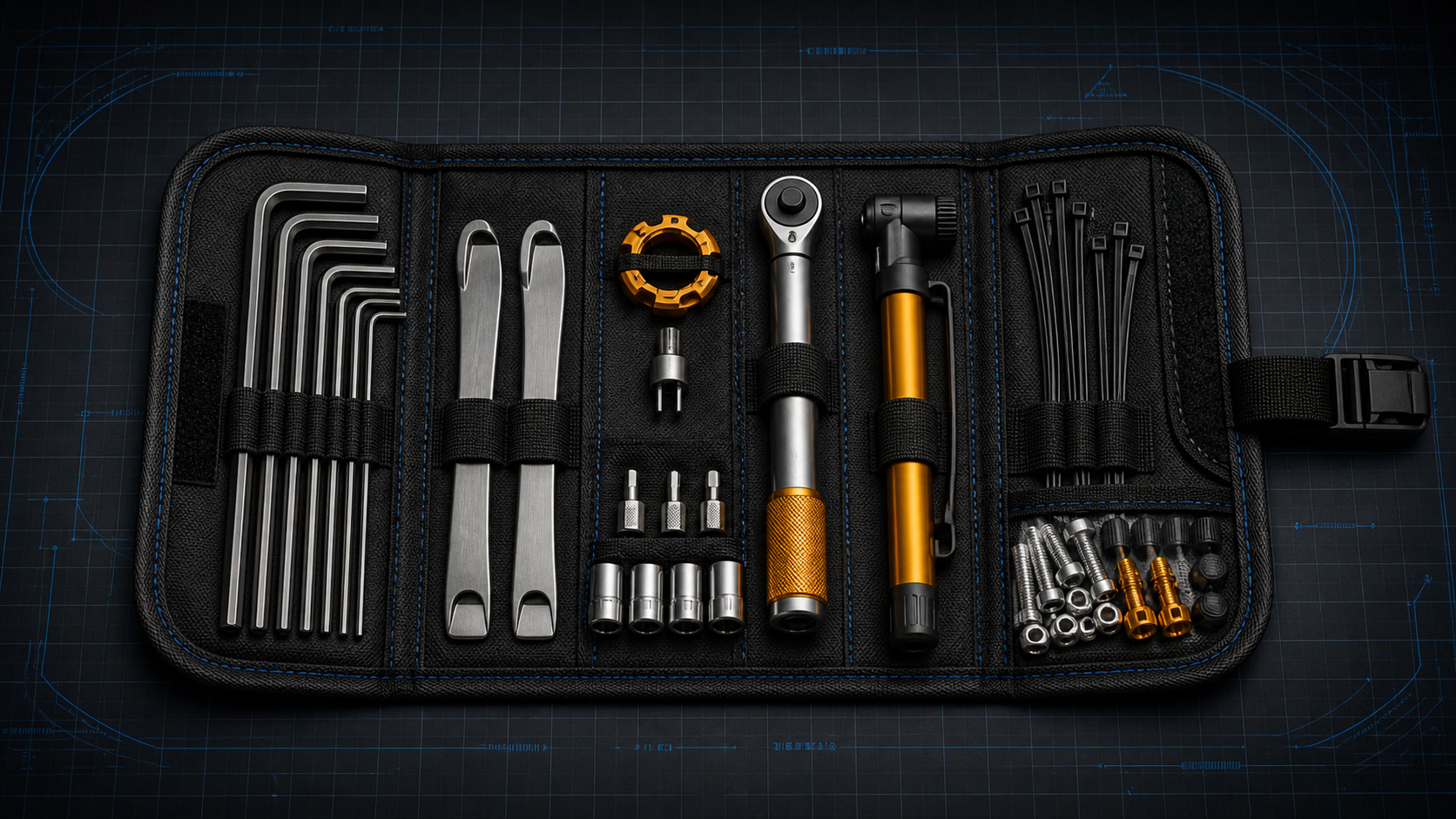
Owning a Sur-Ron, Talaria, or Segway needs fewer tools than a gas bike — no oil changes, no air filter — but the basics still matter, and there are a couple of electric-specific additions a gas-bike kit misses. The core list:
- A torque wrench — the cheapest reliability upgrade, because these bikes shed bolts.
- A trailside flat kit and pump — flats happen far from the truck.
- A stand — for chain and brake service (weight-rated to your bike).
- Chain wax, plus dielectric grease and threadlocker — the electric-specific extras.
Buy a small, well-chosen kit and you'll cover the vast majority of the maintenance. Here's what each does.
The torque wrench: the cheapest reliability upgrade
These bikes make strong torque and buzz at speed, and the result is fasteners that vibrate loose — axle, sprocket, and mount bolts especially. An under-torqued bolt backs out; an over-torqued one strips or snaps. A torque wrench sets everything to the manufacturer's spec, and it's the single best defense against the "why is this rattling / why did this fall off" problem.
Pair it with threadlocker (blue for most fasteners) where the manual calls for it. On a high-vibration bike, that combination is genuine insurance — and it's a few dollars.
The trailside flat kit: get home from anywhere
A flat ten miles from the trailhead turns a great ride into a long walk. A compact tire-repair kit — plug for tubeless, patch for tubes — plus a small pump or CO2 inflator lives in your pack and gets you home.
Add heavy-duty tubes if you run tubes and ride rough terrain, and know your bike's tube/tire size before you need it (our compatibility guide covers why sizes are model-specific).
A stand: service made easy — and the weight caveat
A stand lifts the rear wheel so you can clean and lube the chain, check the brakes, and spin the wheel freely. It's not strictly required, but it makes every routine job easier and safer.
The one caveat unique to these bikes is weight. They run from about 100 lb up to 250–300+ lb on the bigger models, so make sure any stand or lift is rated comfortably above your bike's weight. A stand sized for a light bike is not safe under a heavy Ultra Bee or Storm Bee — this is the same weight-rating rule that governs ramps and hitch carriers.
There are three tiers, and the cheap one has a real catch. A compact triangle stand is the budget option — but many e-motos have kickstands or axle layouts that simply won't accept an open-axle stand, so verify your axle before you buy (and note it's a stand, not a lift):
At the other end, a hydraulic lift table raises the whole bike to working height for serious home service — the right tool for a heavy bike and a real garage. Center and clamp the bike, and don't add body weight or side loads while wrenching:
For most owners the mid stand above is plenty; step up to a lift only if you do a lot of your own work on a heavy model.
The electric-specific extras a gas kit misses
Two cheap items that a gas-bike tool kit doesn't include, and that these bikes genuinely need:
- Dielectric grease on the electrical connectors keeps corrosion and moisture out — the electric equivalent of the maintenance a gas bike doesn't need.
- Chain wax (O/X/Z-ring-safe) keeps the drivetrain quiet and efficient; the full routine is in our chain-maintenance guide.
And the cleaning rule that comes with the electric extras: never blast a pressure washer at the controller, motor, or battery seams — a bucket, brush, and gentle hose only.
Garage kit vs trailside kit
- Trailside (carry it): a compact multitool with your bike's hex/Torx sizes, the tire-repair kit, a pump or CO2, a couple of zip ties. Keep it small enough that you'll actually bring it.
- Garage (maintain it): add the torque wrench, a proper hex/socket set, the stand, chain wax, dielectric grease, and threadlocker.
Match the hex and Torx sizes to your specific bike — a kit that doesn't fit your fasteners is no kit at all.
The bottom line
An electric dirt bike is refreshingly low-maintenance, but a small, right-sized tool kit is what keeps it that way: a torque wrench because these bikes shed bolts, a trailside flat kit because flats happen, a weight-rated stand for service, and the electric-specific dielectric grease and chain wax a gas kit skips. Buy the basics once and you'll rarely be stuck. The maintenance guide covers the routine that uses them, and the upgrades guide sets the order if you're building the bike up. Still choosing a bike? Run the Find Your Ride configurator.
VoltRipper is independent — we don't sell tools and our recommendations aren't pay-to-play. Follow your bike's service manual for torque specifications and match tool sizes to your model. Affiliate disclosure is included on monetized pages, and we're spec-verified/data-driven rather than hands-on until first-hand testing exists.
FAQ
What tools do I need for a Sur-Ron or electric dirt bike?
Less than a gas bike, but the basics still matter. The core kit is a torque wrench, a set of metric hex/Torx keys sized to your bike, a trailside tire-repair kit and pump, and a stand to lift the wheel for chain and brake service. The electric-specific additions are dielectric grease for the connectors and threadlocker for the bolts these high-vibration bikes shake loose. You skip the oil-change and air-filter tools a gas bike needs, so a small, well-chosen kit really does cover the vast majority of the maintenance.
Why do I need a torque wrench for an electric dirt bike?
Because these bikes vibrate fasteners loose, and a torque wrench is the cheapest reliability upgrade you can buy. High torque and buzzy motors work bolts free over time — axle, sprocket, and mount bolts especially — and either an under-torqued bolt backs out or an over-torqued one strips or snaps. Setting fasteners to the manufacturer's spec, and adding a dab of threadlocker where called for, prevents the single most common 'why is this rattling / why did this fall off' problem on the whole bike.
Do I need a stand for a Sur-Ron?
Not strictly, but it makes routine service far easier and safer, and it's worth it if you'll do your own maintenance. A stand lifts the rear wheel so you can clean and lube the chain, check the brakes, and spin the wheel freely. The one caveat unique to these bikes is weight: they run from about 100 lb up to 250-300+ lb depending on model, so make sure any stand or lift is rated comfortably above your bike's weight — a stand sized for a light bike is not safe under a heavy one.
What's the difference between a garage kit and a trailside kit?
The trailside kit is what you carry to get home; the garage kit is what you maintain the bike with. Trailside: a compact multitool with the hex/Torx sizes your bike uses, a tire-repair kit (plug or tube patch), a pump or CO2, and a couple of zip ties. Garage: add a torque wrench, a proper hex/socket set, a stand, chain wax, and the electrical-care extras. Keep the trailside kit small enough that you'll actually carry it — the best tool is the one that's with you when a bolt backs out ten miles from the truck.