Tracked price checks
Bikes in this guide
E-Ride Pro
SS 3.0
15.8 kW peak output and 62 mph top speed put it above the SS 2.0 and Light Bee class
Trade-off: Real trail range still needs verified owner or test data; claimed range is a low-speed figure
We may earn a commission if you buy through this link, at no extra cost to you.
Check price at VoroMotorsTalaria
Sting MX5 Pro
72V/2.88 kWh Samsung-cell platform is a real power and range step up from the 60V Sting and X3 family
Trade-off: Ships limited to 20 mph, so the high-speed numbers assume derestriction and local-law risk
We may earn a commission if you buy through this link, at no extra cost to you.
Check price at Luna CycleSur-Ron
Light Bee X
Enormous aftermarket and parts ecosystem — the most-supported e-dirt-bike platform
Trade-off: Advertised range collapses at speed — plan for real-world miles well under the claim
We may earn a commission if you buy through this link, at no extra cost to you.
Check price at ATV Wholesale OutletThe short answer
Two of the strongest picks in the ~$4–5k value class — both 72V, 19-inch, full-suspension Light Bee-class bikes — three Score points apart (SS3 92, MX5 Pro 89), split cleanly between hardware and support:
- Buy the E-Ride Pro SS 3.0 ($4,699, Score 92) if you want more bike — 18% more peak power (15.8 vs 13.4 kW), a 25% bigger and swappable battery, and an app.
- Buy the Talaria Sting MX5 Pro (~$4,990, Score 89) if you want support and approachability — effectively the same money (July 2026 repricing), intermediate-friendly, a street-legal kit path, a stated 12-month warranty, and Talaria's deep dealer and aftermarket network.
The SS3 wins the spec sheet; the MX5 Pro wins on approachability and the ecosystem behind it — they are $9 apart, so price no longer decides this. The three-point gap is the trade-off in a nutshell.
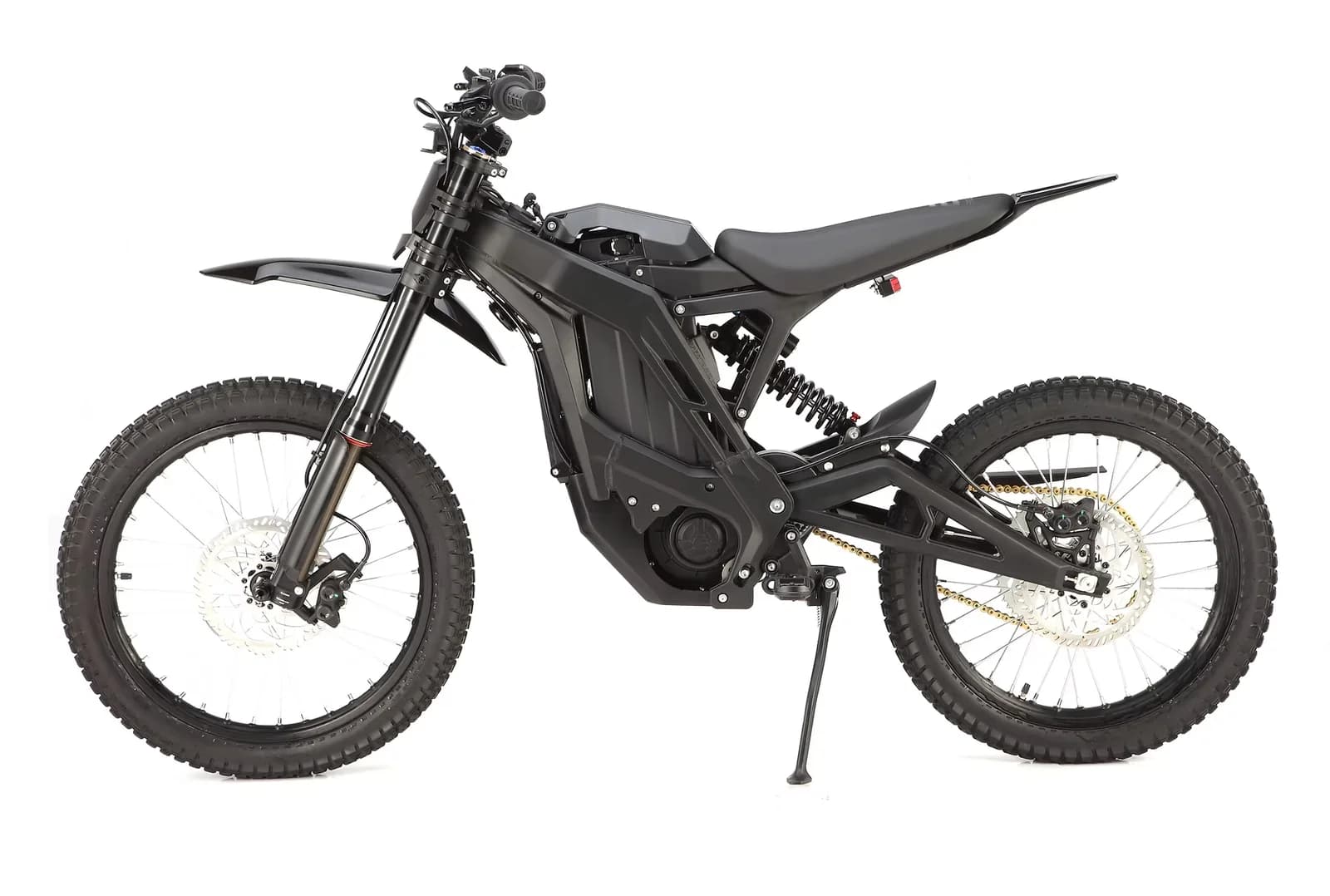
Verified product photo
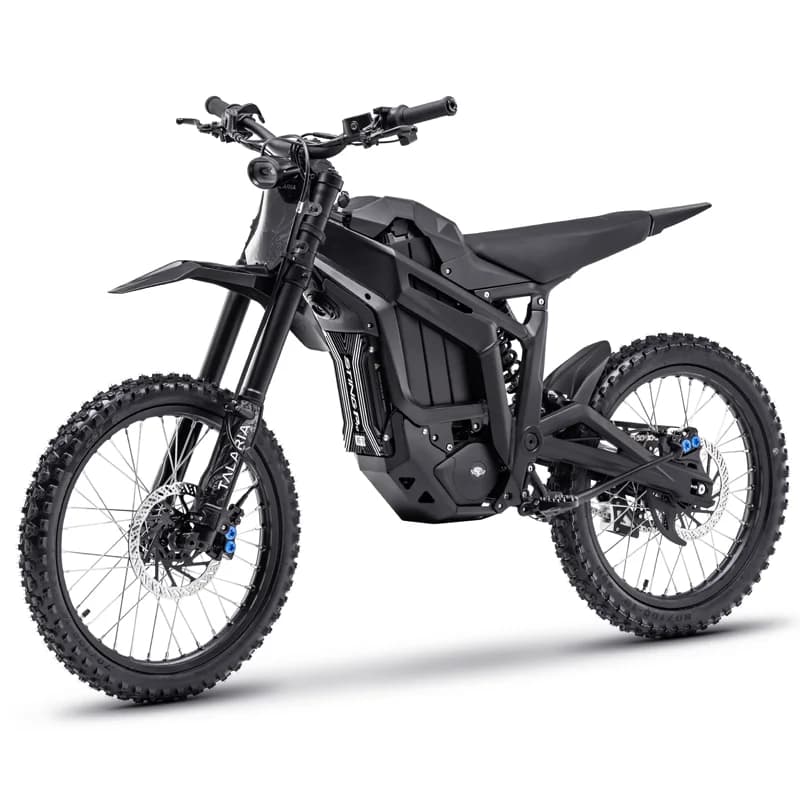
Verified product photo
Comparison table
Head-to-head spec winners
Awarded spec rows
3-1
E-Ride Pro SS 3.0 vs Talaria Sting MX5 Pro
| Spec | E-Ride Pro SS 3.0 | Talaria Sting MX5 Pro | Winner |
|---|---|---|---|
| Power | 15.8 kW peak | 13.4 kW peak | E-Ride Pro SS 3.0+2.4 kW |
| Top speed | 60 mph | 59 mph | E-Ride Pro SS 3.0+1 mph |
| Battery capacity | 3.6 kWh | 2.9 kWh | E-Ride Pro SS 3.0+720 Wh |
| Real range | Not published | 35 mi | No winner awardedNeeds both published values |
| Weight | 167 lb | 165 lb | Talaria Sting MX5 Pro2 lb lighter |
| Brakes | Dual Hydraulic | Dual Hydraulic | TieSame Dual Hydraulic |
| Suspension | Full | Full | TieSame Full |
| Warranty | Not published | 12 mo | No winner awardedNeeds both published values |
| Delivered price | $4,999 delivered ($4,699 + $300 shipping) | $4,990 street + shipping unknown | No winner awardedShipping unknown |
Power
- E-Ride Pro SS 3.0
- 15.8 kW peak
- Talaria Sting MX5 Pro
- 13.4 kW peak
Top speed
- E-Ride Pro SS 3.0
- 60 mph
- Talaria Sting MX5 Pro
- 59 mph
Battery capacity
- E-Ride Pro SS 3.0
- 3.6 kWh
- Talaria Sting MX5 Pro
- 2.9 kWh
Real range
- E-Ride Pro SS 3.0
- Not published
- Talaria Sting MX5 Pro
- 35 mi
Weight
- E-Ride Pro SS 3.0
- 167 lb
- Talaria Sting MX5 Pro
- 165 lb
Brakes
- E-Ride Pro SS 3.0
- Dual Hydraulic
- Talaria Sting MX5 Pro
- Dual Hydraulic
Suspension
- E-Ride Pro SS 3.0
- Full
- Talaria Sting MX5 Pro
- Full
Warranty
- E-Ride Pro SS 3.0
- Not published
- Talaria Sting MX5 Pro
- 12 mo
Delivered price
- E-Ride Pro SS 3.0
- $4,999 delivered ($4,699 + $300 shipping)
- Talaria Sting MX5 Pro
- $4,990 street + shipping unknown
Score breakdown
Power
/22 pts
Range
/20 pts
Chassis
/18 pts
Value
/15 pts
Support
/12 pts
Ergonomics
/8 pts
Versatility
/5 pts
Same class, different priorities
These bikes are closely matched on the fundamentals — both 72V, both on 19-inch wheels with full suspension, both chain-driven, both within 2 lb of each other (167 vs 165 lb). What separates them is philosophy. The SS 3.0 pushes the hardware: a bigger motor, a notably larger swappable battery, app connectivity, and an expert-level tune. The MX5 Pro plays the value-and-support card: it's the current 72V Sting flagship from Talaria — one of the most established names in the class — priced within $10 of it, rated intermediate, and backed by a dealer network and aftermarket the newer E-Ride Pro brand can't yet match.
The core matchup
| E-Ride Pro SS 3.0 | Talaria Sting MX5 Pro | |
|---|---|---|
| VoltRipper Score | 92 | 89 |
| Price | $4,699 | $4,990 |
| Peak power | 15.8 kW | 13.4 kW |
| Battery | 3,600 Wh (50Ah) | 2,880 Wh (40Ah) |
| Swappable battery | Yes | No |
| Top speed | 60 mph | 59 mph |
| Weight | 167 lb | 165 lb |
| App | Yes | No |
| Street path | No | Kit |
| Skill level | Expert | Intermediate |
| Warranty | Unlisted | 12 months (stated) |
Head-to-head, factor by factor
Power → SS3. Speed → neither. The SS3 makes 15.8 kW peak to the MX5 Pro's 13.4 kW, about 18% more, and that gap is real. Top speed is not: 60 mph to 59 is a single mile per hour, inside the noise of how either figure was measured, and we previously printed this as a 3 mph win on a 62 mph figure that was our own transcription error. Do not choose between these two on top speed. Torque is close (520 vs 500 N·m — a touch more for the SS3). It's the quicker, harder-pulling bike, which is part of why we rate it expert; the MX5 Pro's slightly softer output is easier to meter.
Battery & range → SS3, decisively. This is the SS3's standout. It carries a 3,600 Wh (50Ah) pack to the MX5 Pro's 2,880 Wh (40Ah) — about 25% more energy — and the SS3's battery is swappable where the MX5 Pro's is not. More capacity plus the option to carry or swap a spare (or charge it indoors) is a real, practical range advantage. Both now quote the same ~62 mile claim, but plan well under it; the SS3's bigger, removable pack is the meaningful edge.
Features → SS3. The SS3 adds app connectivity; the MX5 Pro doesn't. If ride data, settings, and smart features matter to you, the SS3 is the more modern bike.
Price → SS3, narrowly, and it changed hands in August 2026. $4,699 vs ~$4,990 — a $291 gap. The MX5 Pro was the cheaper bike after its July 2026 repricing; E-Ride's August cut reversed that. The MX5 Pro's headline advantage is now support and approachability, not price; the SS3's is hardware and the lower sticker.
Approachability → MX5 Pro. We rate the MX5 Pro intermediate and the SS3 expert. Combined with its softer power delivery, the MX5 Pro is the friendlier bike for a rider still building skill; the SS3 rewards experience.
Street path → MX5 Pro. The MX5 Pro is kit-legal — a documented conversion path exists where your state allows it. The SS3 is off-road only as sold. Neither is turnkey street-legal, but the MX5 Pro is the more realistic candidate if road use is ever on the table. (Check your state's rules first.)
Support, warranty & ecosystem → MX5 Pro, decisively. Talaria is one of the most established brands in electric dirt, with a broad US dealer network, a deep aftermarket, and strong resale — plus a stated 12-month warranty (the SS3's term is unlisted in our data). E-Ride Pro is a newer, smaller brand with thinner support and parts availability. Over years of ownership, upgrades, and resale, the Talaria ecosystem is a genuine, lasting advantage.
Weight & fit → a wash. At 167 vs 165 lb they're within 2 lb — no meaningful difference — and seat heights are close (SS3 32.7 in, MX5 Pro 33.1 in). Don't let weight decide this one.
Score → SS3 (92 vs 89). The SS3's power, bigger swappable battery, and app earn the edge, but the MX5 Pro's approachability, street path, warranty, and ecosystem nearly erase it. The three-point gap is the honest read: the SS3 is the better hardware, the MX5 Pro the better value and ownership.
Which should you buy?
- You want more power, a bigger (swappable) battery, an app, and a higher top speed — and you're an experienced rider: E-Ride Pro SS 3.0. (Full review → · vs the base SS 2.0 →)
- You want an intermediate-friendly, well-supported bike with a street-kit path and a stated warranty, for the same money: Talaria Sting MX5 Pro. (Full review → · across Talaria's lineup →)
- Cross-shopping the class benchmark? Both go up against the Sur-Ron Light Bee X — the deepest ecosystem in the class (Light Bee X vs MX5 Pro →).
Not sure which fits your skill and budget? Run the Find Your Ride configurator.
The honest bottom line
The E-Ride Pro SS 3.0 is the more capable bike — 18% more power, a 25% bigger and swappable battery, an app, and a higher top speed — and it edges the Score (92 vs 89). But the Talaria Sting MX5 Pro is intermediate-friendly, has a street-legal kit path and a stated 12-month warranty, and rides on a far deeper dealer and aftermarket network — which is exactly why the gap is only three points. Buy the SS3 if you want maximum hardware and range for the money and you're an experienced rider; buy the MX5 Pro if you want the smarter-value, better-supported, more approachable bike and are not paying extra for the SS3 spec sheet. Two strong value picks — one leads on the spec sheet, the other on ownership.
VoltRipper is independent — we don't sell E-Ride Pro, Talaria, or any bike, and our Score is based on verified specs, not commissions. Affiliate disclosure is included on monetized pages, and we're spec-verified/data-driven rather than hands-on until first-hand testing exists.
FAQ
E-Ride Pro SS 3.0 or Talaria Sting MX5 Pro — which should you buy?
They split the ~$4–5k value class between hardware and support, three Score points apart (SS3 92, MX5 Pro 89). The E-Ride Pro SS 3.0 ($4,699) is the more-bike pick — 18% more peak power (15.8 vs 13.4 kW), a 25% bigger and swappable battery (3,600 vs 2,880 Wh), an app, and a marginally higher top speed. The Talaria Sting MX5 Pro (~$4,990) is the support pick — effectively the same money after its July 2026 repricing, intermediate-friendly (vs the SS3's expert rating), a documented street-legal kit path, a stated 12-month warranty, and Talaria's far deeper US dealer and aftermarket network. Buy the SS3 for the hardware and range; buy the MX5 Pro for value, approachability, and support.
Which has the bigger battery and more range, the SS3 or the MX5 Pro?
The E-Ride Pro SS 3.0, clearly. It carries a 3,600 Wh (50Ah) pack to the MX5 Pro's 2,880 Wh (40Ah) — about 25% more energy — and, importantly, the SS3's battery is swappable while the MX5 Pro's is not. That means more real range plus the option to carry a spare or charge indoors. Both quote similar claims (64 vs 62 miles), but those are optimistic low-speed figures; the SS3's larger, swappable pack is the meaningful advantage.
Is the Talaria MX5 Pro or E-Ride SS3 better for a newer rider?
The Talaria Sting MX5 Pro. We rate it intermediate where the SS3 is expert, and it has a documented street-legal kit path plus a stated 12-month warranty and Talaria's broad dealer support — all of which lower the risk for someone still building skill. The SS3 is the more powerful, more demanding bike; it rewards an experienced rider but asks more of a beginner.
Which is the better value, the SS3 or the MX5 Pro?
It depends on what you value. Dollar-for-dollar hardware favors the E-Ride Pro SS 3.0 — more power, a 25% bigger swappable battery, and an app, and after E-Ride's August 2026 price move it is also the cheaper of the two ($4,699 vs $4,990). Total ownership value favors the Talaria MX5 Pro — a lower price, a street-kit path, a stated warranty, intermediate-friendly manners, and a much deeper dealer/aftermarket network for parts and resale. The SS3 gives you more machine; the MX5 Pro gives you more certainty for less money.
Sources
Editorial sources
Specification sources
- Sur-Ron Light Bee XATV Wholesale Outlet - 2026 Sur-Ron Light Bee X (72V/35Ah, 10 kW), $4,699 from $4,999Checked