The short answer
This is the gear decision most pages get wrong, so we'll lead with the honest version:
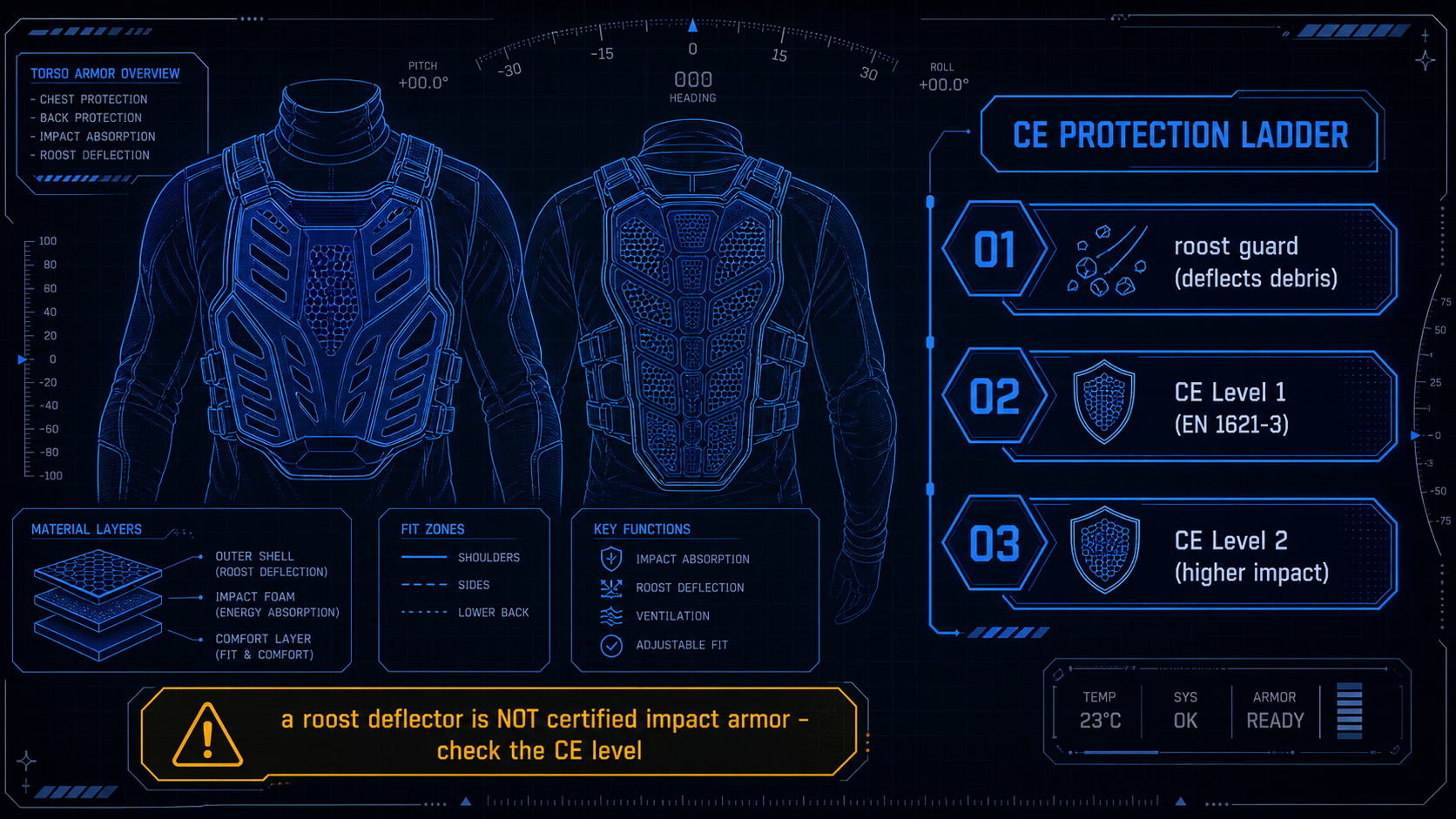
> A roost deflector is not a certified chest protector. A deflector stops flying debris; a CE-certified protector (EN 1621-3 chest / EN 1621-2 back) stops impact. Both are legitimate — for different jobs.
So the question isn't "which chest protector," it's which tier you need:
- Roost deflector — debris protection for mellow trail riding. Lightest, cheapest.
- CE Level 1 — real impact protection, slimmer and cheaper than Level 2.
- CE Level 2 — the most protective (transmits the least force). For fast, aggressive riding.
Here's the ladder, with a pick at each rung.
The roost-vs-impact truth
A Sur-Ron or Ultra Bee reaches motorcycle speeds, and body armor protects the torso, spine, and organs. But "chest protector" gets slapped on two very different products:
- A roost deflector protects against roost and debris — the rocks other riders kick up. It's generally not certified for hard impact.
- A CE-certified chest/back protector carries EN 1621-3 (chest) and EN 1621-2 (back), with a Level (1 or 2) that tells you how much force gets through — Level 2 transmits less, so it's more protective.
Buy for the hazard you actually face — and know which one you're getting.
Roost deflector: Fox Airframe
The honest baseline for trail riding where debris is the main risk. It's the lightest, cheapest, coolest option — and we'll say plainly what it is: roost protection, not certified impact armor. For a mellow trail rider, that's the right, comfortable choice.
CE Level 1: Fox Raceframe Impact
The step up to real, certified impact protection without full Level 2 bulk: CE Level 1 chest (EN 1621-3) and back (EN 1621-2) with D3O armor, in a slimmer vest. The right pick for a rider who wants genuine impact coverage but rides trail more than race pace. (Note the "roost vest" name — despite it, this one is CE impact-certified.)
CE Level 2: Leatt Moto 6.5 Pro
The most protective tier: CE Level 2 chest and Level 2 back (plus shoulder protection) — it transmits the least impact force, and it's what you want for fast or aggressive riding. Bulkier and pricier than the tiers below, and worth it if you ride hard.
Which tier do you need?
- Mellow trail, roost is the main risk → a roost deflector (Fox Airframe). Light, cheap, honest.
- Faster or rougher trail, you want real impact protection → CE Level 1 (Fox Raceframe).
- Fast, aggressive, or racing → CE Level 2 (Leatt Moto 6.5 Pro).
- Kids → a certified protector is worth it; they take the roost and the tumbles armor is built for (see the kids gear kit).
Sizing
Size by torso height and chest measurement, not shirt size. A back protector should cover tailbone to the base of the neck without riding up; a chest protector should sit flat without gapping. Use the specific model's chart, and if you run a neck brace, confirm the protector is compatible — they fit together as a system.
The bottom line
The honest way to buy body armor: decide whether you need debris protection or impact protection, then match the tier. A roost deflector (Fox Airframe) is the right, comfortable baseline for mellow trail; CE Level 1 (Fox Raceframe) is real certified impact protection in a slim package; CE Level 2 (Leatt Moto 6.5 Pro) is the most protective for fast, hard riding. Just never buy a roost deflector believing it's certified impact armor. Round out the kit with the safety-gear guide, and if you're choosing a bike, run the Find Your Ride configurator.
VoltRipper is independent — we don't sell gear and our recommendations aren't pay-to-play. Body armor is safety-critical: confirm the certification (CE EN 1621-3 chest / EN 1621-2 back, and the Level), size to the manufacturer's chart, and confirm neck-brace compatibility if you use one. Certifications are cited from manufacturer and retailer information; we don't give medical or legal advice. Affiliate disclosure is included on monetized pages, and we're spec-verified/data-driven rather than hands-on until first-hand testing exists.
FAQ
Is a roost deflector the same as a chest protector?
No, and this is the distinction gear pages routinely blur. A roost deflector protects against flying debris and roost — the rocks other riders kick up — but is generally not certified for hard impact. A CE-certified chest protector (look for EN 1621-3 for the chest and EN 1621-2 for the back) is the impact-rated tier. Both are legitimate products for different jobs: a deflector is the lighter, cheaper choice for trail riding where roost is the main hazard, while a CE protector is what you want for speed or aggressive riding. The mistake is buying a roost deflector thinking it's certified impact armor — always check which one you're actually getting.
What's the difference between CE Level 1 and Level 2 armor?
Level 2 transmits less impact force to your body, so it's more protective — but it's usually bulkier and pricier. Both levels are certified impact protection under the CE standard (EN 1621-3 for chest, EN 1621-2 for back); the level tells you how much force gets through in the test, with Level 2 letting through less than Level 1. For fast or aggressive e-moto riding, Level 2 chest and back is the stronger choice; for general trail riding, Level 1 is real protection in a slimmer, lighter, cheaper package. Either certified level is a genuine step up from an uncertified roost deflector.
Do I need body armor on a Sur-Ron?
At minimum a roost deflector, and a certified chest/back protector if you ride fast or on rough trail. These bikes reach motorcycle speeds, and the torso, spine, and internal organs are what body armor protects. A roost deflector is the honest baseline for mellow trail riding where debris is the main risk; step up to a CE-certified protector once you're riding faster, on rougher terrain, or with other riders throwing roost. It's not as non-negotiable as a helmet or boots, but it's the strong next layer — especially for kids, who take the roost and the low-speed tumbles armor is built for.
How do I size a chest/back protector?
By torso height and chest measurement, not shirt size — and it needs to sit correctly to protect. A back protector should cover from the tailbone to the base of the neck without riding up, and a chest protector should sit flat without gapping. Use the specific model's size chart (they key off rider height and chest circumference), and if you wear a neck brace, confirm the protector is compatible with it — brace-and-protector fit together as a system. For kids, size to the child's current height/chest, never to grow into.