The short answer
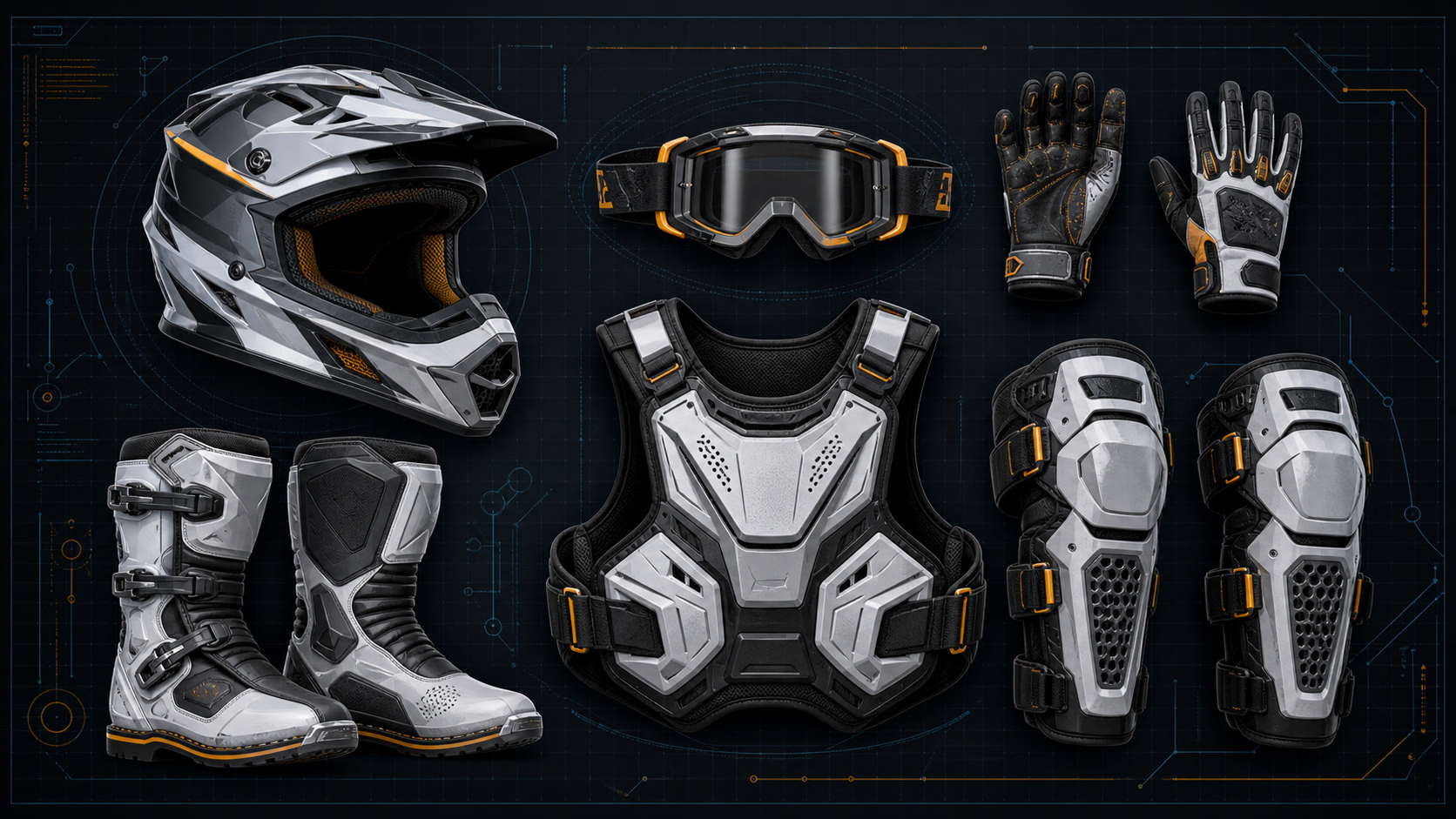
If a kid is riding a powered dirt bike — a Razor Dirt Rocket, a youth Sur-Ron Hyper Bee, or any of the mini e-motos — they need the full protective kit, correctly sized. The complete list:
- Full-face helmet (never a bicycle helmet) · goggles · chest/back protector · knee and elbow guards · over-the-ankle boots · gloves.
Two rules decide whether that kit actually protects, and they matter more than which brand you buy:
- Never a bicycle helmet. A young rider on a powered bike needs a full-face DOT (ideally ECE) motorcycle helmet.
- Never "sized to grow into." Oversized gear that rotates or slips is close to no gear. Size to the child today.
Here's the kit, with the certification and sizing for each piece.
Helmet: full-face, DOT + ECE, sized to the head
The one you never compromise on. A young rider needs a full-face youth helmet, DOT at a minimum — a bicycle helmet leaves the face and jaw exposed at speeds these bikes reach. This one carries DOT and the current ECE 22.06, plus MIPS for rotational impacts.
Size by measured head circumference (~1 inch above the eyebrows) against the maker's youth chart — never by age. It should be snug with no rotation when the child shakes their head with the strap done up, and replaced after any real impact.
Goggles: cheap, essential
Goggles keep roost and dust out of a young rider's eyes and pair with the peaked helmet. Size to the child's face (youth goggles are a smaller frame), and check they seal to the helmet opening.
Chest protector: real impact armor, not just roost plastic
Kids take roost and the tumbles that impact armor is built for. This is a CE Level 2 chest (EN 1621-3) and Level 2 back (EN 1621-2) protector — genuine impact protection, a real step up from a roost-only deflector. Size it by the child's height/chest per the chart.
Boots: over-the-ankle, no exceptions
The foot and ankle are among the most-injured areas, and ordinary shoes don't protect them. These are CE EN 13634-certified youth MX boots — hard shell, over-the-ankle, ankle support.
Size to the current foot length, not next year's — kids outgrow boots fastest of all, and that's simply the cost of keeping the ankle protected.
Knee and elbow guards: CE Level 1 impact protection
Knees and elbows go down first in most falls. These youth guards carry CE EN 1621-1 Level 1 impact protection — real coverage, and (importantly) they're guards, not braces: impact protection, not ligament support.
Size the knee guard by knee and calf circumference and the elbow guard by arm measurement — an oversized guard slips and doesn't protect.
Gloves: hands go down first
Cheap, essential protection for the abrasion and knuckle knocks of off-road riding. Size to the child's hand.
The priority order (if you're spreading the cost)
A full certified kit is affordable, but if you're building it over time:
- Helmet — first, never compromised, never a bicycle one.
- Boots and gloves — feet and hands take the first hit.
- Goggles — cheap, essential.
- Chest protector and knee/elbow guards — the impact-armor layer.
And re-check every piece each season — kids grow, and last year's fit may already be too small.
The bottom line
Getting a kid geared up is simple once you hold the two rules: full-face DOT/ECE helmet, never a bicycle one, and size to the child today, never to grow into. From there it's a helmet, goggles, a certified chest protector, over-the-ankle boots, knee and elbow guards, and gloves — each with an affordable, genuinely certified option. Our safety-gear guide covers the fitting details, and if you're choosing the bike itself, the Find Your Ride configurator helps match it to the rider.
VoltRipper is independent — we don't sell gear and our recommendations aren't pay-to-play. Children's protective gear is safety-critical: confirm each item's certification (DOT/ECE/CE), size to the child's current measurements against the manufacturer's chart, and replace any helmet after an impact. Certifications are cited from manufacturer and retailer information; we don't give medical or legal advice. Affiliate disclosure is included on monetized pages, and we're spec-verified/data-driven rather than hands-on until first-hand testing exists.
FAQ
What gear does my kid need for an electric dirt bike?
The full kit, scaled down and correctly sized: a full-face DOT (ideally ECE) youth helmet, goggles, a chest/back protector, knee and elbow guards, over-the-ankle boots, and gloves. Kids take the roost, the low-speed tumbles, and the occasional bigger crash that gear is built for, so a complete kit matters more than on an adult who rides within their limits. The good news is a genuinely protective youth kit is affordable — and the two things that make or break it are certification and fit, not price.
Can my child wear a bicycle helmet on a Sur-Ron or Razor?
No — and this is the most important line on this page. A bicycle or e-bike helmet is certified to a bicycle standard and leaves the face and jaw exposed; kids' electric dirt bikes still fall, and a young rider needs a full-face motorcycle/off-road helmet certified to DOT at a minimum (ideally DOT + ECE). Never put a bicycle helmet on a child on a powered dirt bike, and never skip the full-face helmet because 'it's just the backyard.' It's the one piece you never compromise on, at any age.
Should I buy kids' gear a size up to grow into?
No — this is the second big mistake, and it defeats the gear. A helmet that rotates, boots that slip, or a chest protector that rides up don't protect a child; oversized gear is close to no gear. Size to the kid's body today, using measured head circumference for the helmet, foot length for boots, and knee/calf or arm measurements for guards — not age, and not next year's growth. Kids outgrow gear, especially boots, and that's simply the cost of keeping them protected. Re-check the fit each season.
How much does a full kids' dirt bike gear kit cost?
You can build a properly certified youth kit for a few hundred dollars total, and it scales up from there with brand and protection level. A youth full-face helmet, goggles, boots, a chest protector, and knee/elbow guards each have affordable certified options — the helmet and boots are the biggest line items, the guards and goggles are inexpensive. The honest priority order if you're spreading the cost: helmet first (never compromised), then over-the-ankle boots and gloves, then goggles, then the chest protector and limb guards.