The short answer
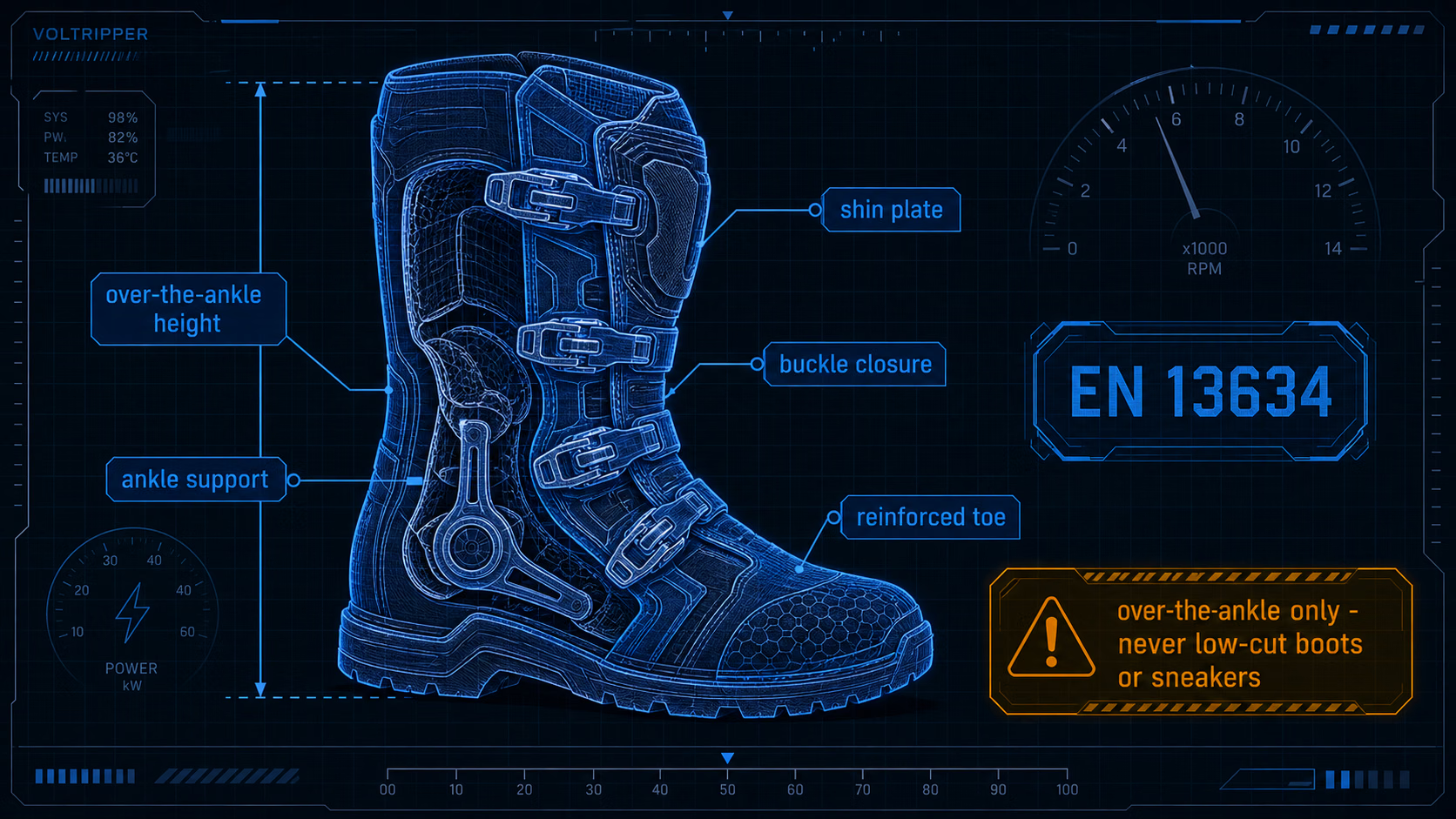
After the helmet, over-the-ankle MX boots are the highest-value protection you'll buy — the foot and ankle are among the most-injured areas in a dirt-bike crash, and ordinary boots don't protect them. The catch most riders miss: not all MX boots are certified. All four picks here carry an EN 13634 claim (the motorcycle-footwear standard), which is exactly why we chose them.
The picks, by band:
- Value (~$150–270): a certified boot that gets the job done.
- Mid (~$400): a more substantial chassis from a major brand.
- Premium (~$570): top-tier hinge and protection for hard, fast riding.
Why boots matter — and the certification to check
A Sur-Ron or Talaria rides like a motorcycle, and in a crash the foot and ankle take twists and impacts that sneakers and work boots can't handle. Real MX boots add a hard shell, rigid sole, shin plate, and ankle bracing.
The signal to look for is EN 13634 (the CE motorcycle-footwear standard). Many competition boots are judged on construction rather than a formal cert — so an uncertified boot isn't automatically bad — but a boot that carries EN 13634 gives you a verified protection signal. Treat the cert and the construction (over-the-ankle height, shin plate, hinge, sole rigidity) as the two halves of the decision.
Value: Thor Blitz XR / Alpinestars Tech 3
For a rider who wants a real, certified boot without overspending, two strong options:
The Thor Blitz XR is the lowest-price boot here with an EN 13634 claim — traditional shin plate, buckles, and heat shield.
The Alpinestars Tech 3 is the popular value pick from a major brand — over-the-ankle protection, a proven design, and easy availability.
Mid: Alpinestars Tech 5
A more substantial chassis and better ankle-control system than entry boots — the bridge pick for a rider who's past the basics but not ready for premium money. EN 13634 certified.
Premium: Gaerne SG-12
The top-tier pick for fast, hard riding: a premium hinge and protection architecture, top materials, and the build quality that lasts for years. EN 13634 certified. One fit note: the SG-12 runs large — most riders size down one.
Sizing: expect them stiff
MX boots are deliberately rigid and need a short break-in — they're protective boots, not walking boots:
- Size close to your street shoe, and expect a boot that feels a little stiff in the shop; it loosens slightly as it breaks in.
- A boot that feels comfortable and flexible immediately may be too soft or too big.
- Check the specific model's fit notes — some run large (the SG-12) or small.
- For kids, size to the current foot and expect to replace as they grow — see our kids gear kit.
The bottom line
Boots are the protection you buy right after the helmet, and the smart move is simple: over-the-ankle, EN 13634-certified, and fitted correctly. The Thor Blitz XR or Alpinestars Tech 3 is the certified value entry, the Tech 5 is the mid step-up, and the Gaerne SG-12 is the premium pick for fast riders. Buy the best construction and fit you can afford, and pair them with the rest of the kit in our safety-gear guide. Still choosing a bike? Run the Find Your Ride configurator.
VoltRipper is independent — we don't sell gear and our recommendations aren't pay-to-play. Boots are safety-critical: confirm the certification (EN 13634), size to the manufacturer's chart and fit notes, and replace boots that are damaged or worn through. Certifications are cited from manufacturer and retailer information; we don't give medical or legal advice. Affiliate disclosure is included on monetized pages, and we're spec-verified/data-driven rather than hands-on until first-hand testing exists.
FAQ
Do I really need dirt bike boots, or will regular boots work?
You need purpose-built, over-the-ankle MX boots — it's not a small difference. Off-road boots protect the ankle, shin, foot, and Achilles with a hard shell, a rigid sole, and ankle bracing that ordinary boots simply don't have, and the foot and ankle are among the most commonly and severely injured areas in a dirt-bike crash. Regular work boots are better than sneakers but still leave you exposed to the twists and impacts these boots are built for. After the helmet, boots are the highest-value protection you'll buy.
Are dirt bike boots CE certified?
Some are and some aren't, and it's worth checking — many competition MX boots are judged on construction rather than a formal certification, so a boot without a cert isn't automatically bad, but a boot that carries EN 13634 (the motorcycle-footwear standard) gives you a verified protection signal. All four boots here carry an EN 13634 claim, which is why we picked them. Don't assume a boot is certified because it looks tough; look for the standard, and treat construction (over-the-ankle height, hard shin plate, ankle hinge, rigid sole) as the other half of the decision.
How should dirt bike boots fit?
Snug and supportive, sized close to your street shoe, and expect them to feel stiff and need a short break-in — they're protective boots, not walking boots. New MX boots are deliberately rigid and loosen slightly as they break in, so a boot that feels a little stiff in the shop is usually right; one that feels comfortable and flexible immediately may be too soft or too big. Note that some boots run large (the Gaerne SG-12, for example, is often sized down one), so always check the specific model's fit notes and size chart.
How much should I spend on dirt bike boots?
A genuinely protective, certified boot starts around $150-160, which is a fine starting point for most riders, and the tiers climb from there. Mid-range boots ($250-400) buy a more substantial chassis and better ankle-control systems; premium boots ($500-600+) add the best hinges, materials, and often replaceable soles that make them last for years. Buy the best construction and fit you can afford, prioritize an EN 13634 cert and over-the-ankle protection over looks, and remember that a boot that fits and gets worn beats a pricier one that doesn't.