Tracked price checks
Bikes in this guide
Sur-Ron
Light Bee X
Enormous aftermarket and parts ecosystem — the most-supported e-dirt-bike platform
Trade-off: Advertised range collapses at speed — plan for real-world miles well under the claim
We may earn a commission if you buy through this link, at no extra cost to you.
Check price at ATV Wholesale OutletTalaria
Sting R MX4
Bigger 2,700 Wh (60V/45Ah) LG-cell pack than a stock Sur-Ron — more usable range
Trade-off: Ships factory-limited to 20 mph — needs derestriction to reach its ~40+ mph potential
We may earn a commission if you buy through this link, at no extra cost to you.
Check price at Luna CycleSur-Ron
Ultra Bee
Big 4.4 kWh (74V/60Ah) pack, ~24.5 kW HP listings, and a 59 mph top end — a real step up from the Light Bee
Trade-off: Heavier (~195 lb) and more bike than a beginner needs
We may earn a commission if you buy through this link, at no extra cost to you.
Check price at Boca ScootersThe short answer
You can wash an electric dirt bike — these bikes handle trail water and rain — but the way you wash it decides whether you clean it or quietly damage it. The single biggest mistake is blasting a pressure washer at the battery, controller, connectors, bearings, and seals. High-pressure water pushes past seals into places it doesn't belong, and the damage (corrosion, electrical faults) often shows up weeks later, not that day.
The safe method is simple: gentle water, avoid the electronics, dry it thoroughly. Here's how.
Can you pressure wash it? Mostly, don't
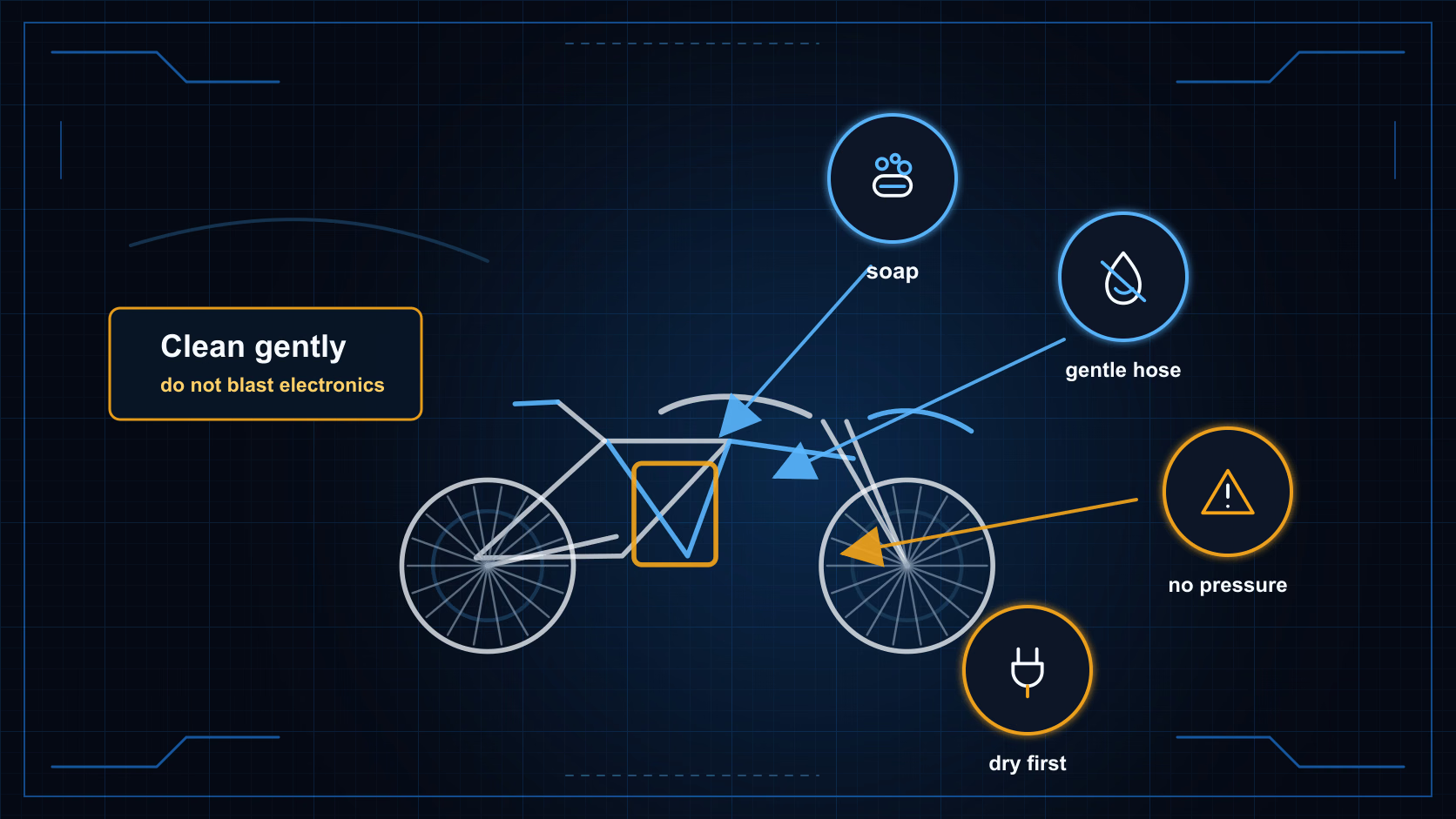
A pressure washer is the fastest way to hurt an electric dirt bike. If you can, use a regular hose and a bucket instead — it gets the bike just as clean without forcing water where it shouldn't go.
If you must use a pressure washer:
- Lowest pressure setting, widest fan tip.
- Keep the nozzle well back and at an angle, never straight-on.
- Never aim it at the battery, controller, motor, wheel hubs/bearings, connectors, charge port, brake calipers, or any seal.
When in doubt, back off. There is no cleaning benefit worth a corroded controller.
Before you wash
- Power off and remove the key if it has one.
- Let the motor and battery cool — don't hose down a hot pack.
- Remove the battery if your bike is designed for it and the manufacturer allows, then cover the battery bay and connectors. If not, just keep water off the battery, its connectors, and the charge port.
- Never wash a damaged or swollen battery, or one with exposed/damaged connectors.
Your owner's manual takes precedence — check it for your bike's specific washing guidance.
The safe wash
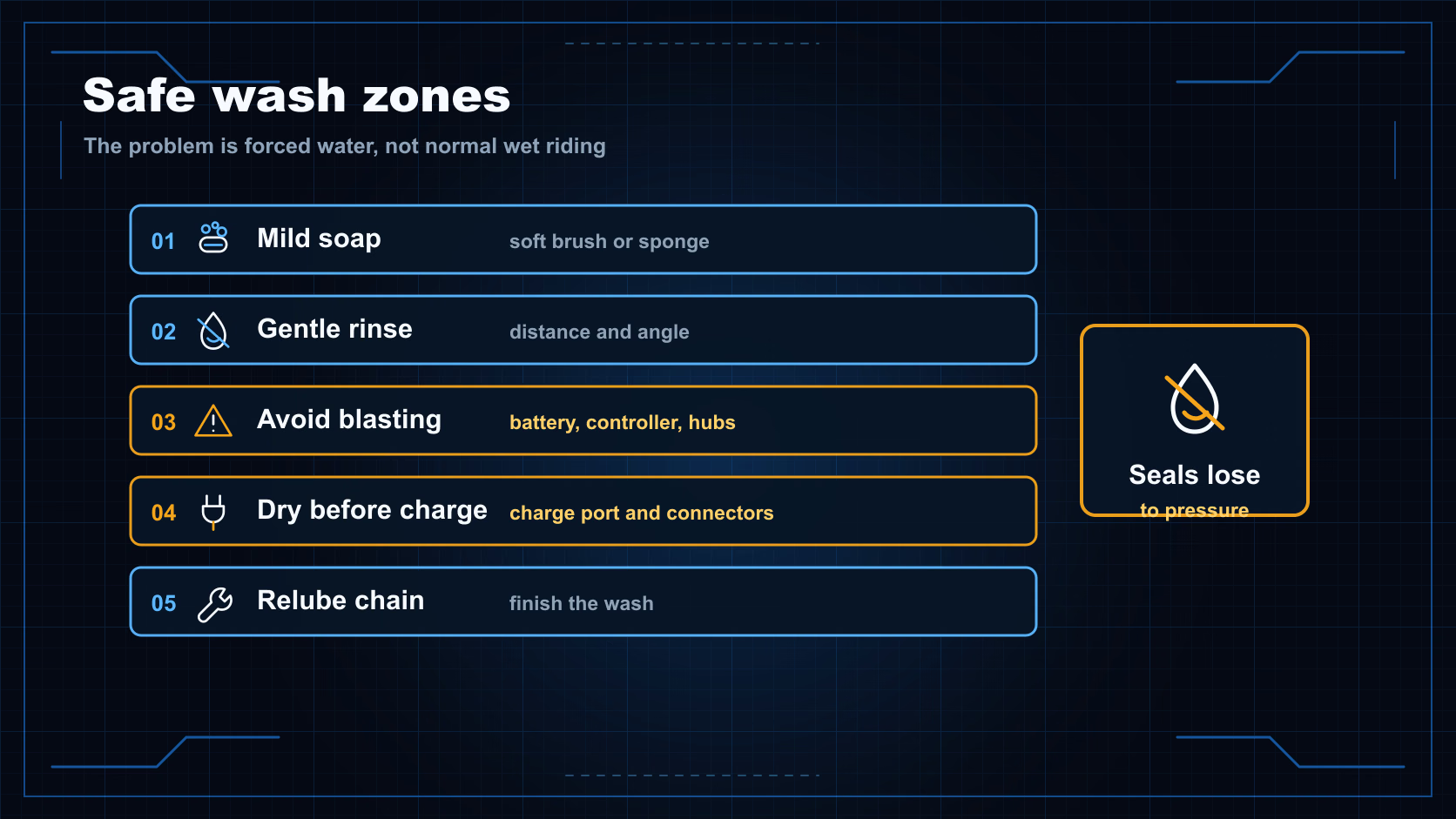
- Rinse off loose mud with a gentle hose stream from a sensible distance.
- Soap and a soft brush. Mild soap and water, a soft brush or sponge, and some patience beat harsh chemicals. Avoid strong degreasers around electronics and seals.
- Work top-down, saving the drivetrain for last.
- Keep the spray gentle around the controller, battery area, connectors, hubs, and brakes — wipe those by hand rather than blasting them.
Dry it properly — this is the step people skip
Trapped moisture in connectors is what corrodes an electric dirt bike over time, so drying matters as much as washing:
- Let it drain, then towel it dry.
- Blow water out of connectors, the chain, and crevices with low-pressure compressed air or a blower if you have one.
- Relube the chain if it's chain-driven — washing strips chain lube, and a dry chain wears fast (see maintenance).
- Reseat any connectors you exposed, and make sure the charge port is dry and closed.
After washing
- Don't charge or ride hard until it's dry. The same "dry before charging" logic from riding in the rain applies.
- A light protectant on metal and plastic is fine — but keep it off the brakes, tires, grips, and pegs, where it becomes a hazard.
- Store it dry. Putting a damp bike away invites corrosion; see the storage guide.
The bottom line
Clean an electric dirt bike with gentle water, not a pressure washer aimed at its electronics — keep spray off the battery, controller, connectors, bearings, and seals, wash top-down with mild soap and a soft brush, and then dry it thoroughly and relube the chain. Do that and washing keeps the bike looking and running its best instead of slowly corroding it. Want the full ownership routine? Start with the maintenance guide and the accessories worth owning, or match a bike to your riding with the Find Your Ride configurator.
VoltRipper is independent — our guidance comes from general electric-powersports best practice, not commissions. Your bike and battery manufacturers' cleaning and water-exposure instructions take precedence over general advice. Affiliate disclosure is included on monetized pages, and we're spec-verified/data-driven rather than hands-on until first-hand testing exists.
FAQ
Can you pressure wash an electric dirt bike?
You can, but it's the fastest way to damage one, so most owners shouldn't. High-pressure water forced at the battery, controller, motor, connectors, bearings, or seals can push past them and cause corrosion or electrical faults that don't show up until later. If you must use a pressure washer, use the lowest pressure, keep the nozzle well back and at an angle, and never aim it at electronics, connectors, hubs, or seals. A hose and bucket is safer and gets the bike just as clean.
Is it safe to get an electric dirt bike wet while cleaning?
Yes, within reason - these bikes are built to handle trail water and light rain. The danger isn't water contacting the bike; it's forcing water into places it doesn't belong (the charge port, connectors, controller, battery seams, bearings) under pressure, or leaving the bike wet so connectors corrode. Wash gently, avoid blasting electronics, and dry it thoroughly afterward.
Should I remove the battery before washing?
If your bike is designed for easy battery removal and the manufacturer allows it, taking the battery out (and covering the battery bay and connectors) is the safest way to wash. If not, just avoid directing water at the battery, its connectors, and the charge port, and never wash a battery that's damaged, swollen, or has exposed/damaged connectors. Check your owner's manual for the maker's specific guidance.
How do I dry an electric dirt bike after washing?
Thoroughly, because trapped moisture in connectors is what causes corrosion over time. Let it drain, then dry it with a towel and, ideally, blow water out of connectors, the chain, and crevices with low-pressure compressed air or a blower. Relube the chain if it's chain-driven. Don't charge or ride hard until it's dry, and reconnect and seat any connectors you exposed.
Sources
Specification sources
- Sur-Ron Light Bee XATV Wholesale Outlet - 2026 Sur-Ron Light Bee X (72V/35Ah, 10 kW), $4,699 from $4,999Checked
- Talaria Sting R MX4Talaria Canada - Sting R MX4 specificationsChecked
- Sur-Ron Ultra BeeVoro Motors — Surron Ultra Bee HP SW 24.5kW 74V 60AhChecked