The short answer
Gloves are the cheapest, highest-attach piece of gear — in almost every fall the hands go down first, and a pair costs very little. The one thing to understand before you buy: many MX gloves aren't certified, and that's fine as long as you know which kind you're getting.
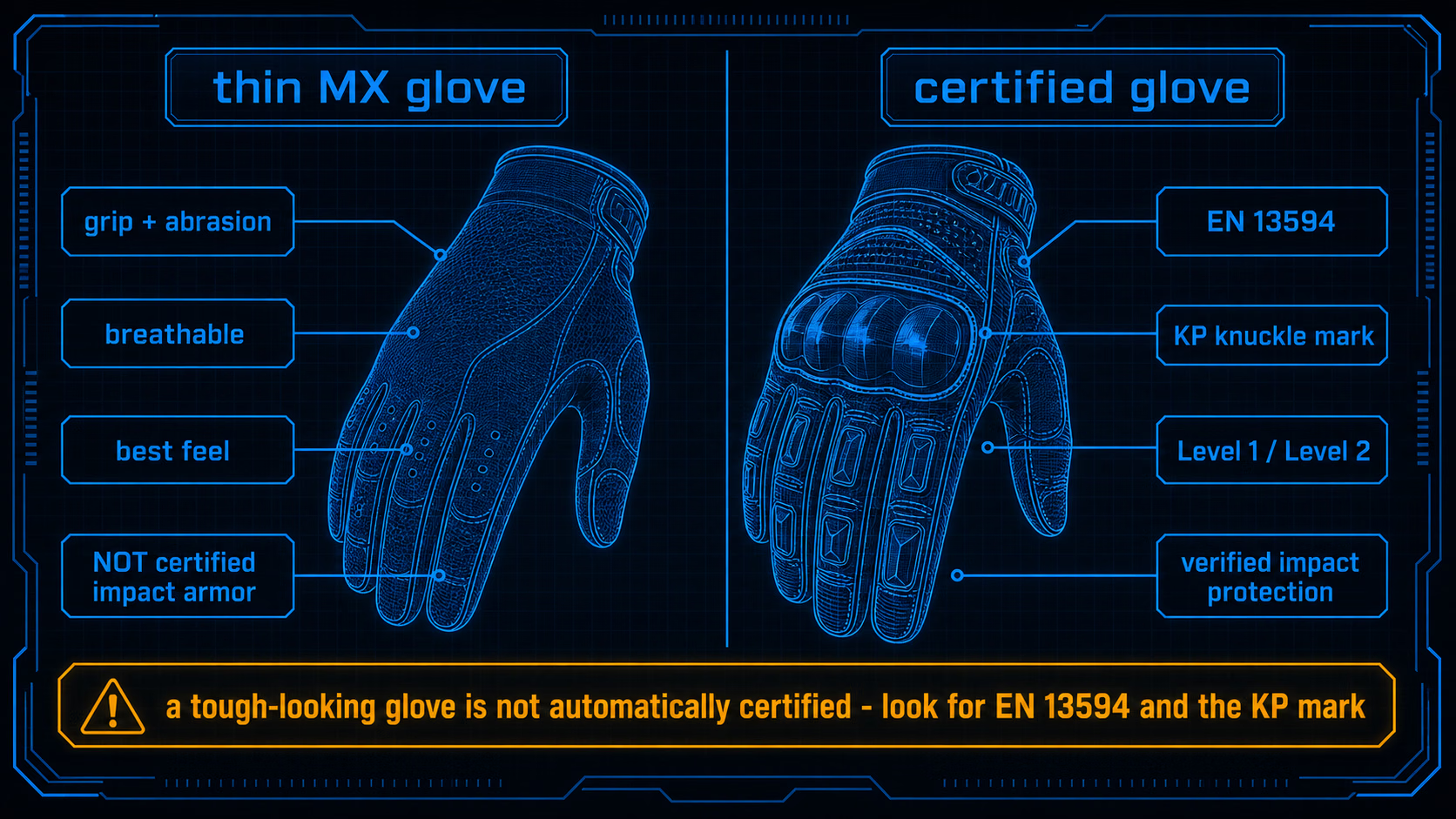
- Thin MX glove — light, breathable, great feel; abrasion and blister protection, not certified impact armor.
- CE EN 13594-certified glove — adds verified knuckle/impact protection.
Two picks, one of each.
Why gloves — and the certification split
Beyond crash protection, gloves improve grip and control and keep your hands from tiring on the bars. The protection question comes down to a standard: CE EN 13594 (the motorcycle-glove standard, with a KP knuckle mark and a Level rating). Many MX gloves skip it deliberately — they trade certified protection for lightness and feel.
Neither is wrong. A thin, uncertified MX glove is grip-and-abrasion protection that most trail riders are happy with; an EN 13594 glove adds real impact protection. Buy for how you ride — just don't assume a tough-looking glove is certified.
The thin MX glove: Fox Dirtpaw
The classic, affordable off-road glove: light, breathable, excellent bar feel, and the abrasion/blister protection most trail riders want. It's a thin MX glove — grip and abrasion, not certified impact armor — and for mellow trail riding that's exactly the right trade.
The certified glove: Klim Dakar
For riders who want verified impact protection at a still-affordable price: the Klim Dakar carries a CE EN 13594 KP Level 1 claim — real, certified knuckle/impact protection in a glove that's stronger than most thin MX listings.
It's the pick if you ride faster or more aggressively, or you simply want the certified protection without stepping up to a heavy adventure gauntlet.
Fit: snug, with feel
- Measure hand circumference (around the palm) and length, and match the maker's chart.
- Snug, with full finger dexterity — you should make a fist and work the controls without bunching.
- Too big kills feel; too small fatigues your hands.
- Touchscreen fingertips are a real plus if you run a phone mount.
- For kids, use a youth glove sized to the child's hand — part of the kids gear kit.
The bottom line
Gloves are cheap and essential, so the only real decision is feel vs certified protection: the Fox Dirtpaw is the light, affordable thin-MX pick that suits most trail riders, and the Klim Dakar adds CE EN 13594 certified impact protection for a little more. Get a pair that fits snug with full feel, and round out the kit with the safety-gear guide. Still choosing a bike? Run the Find Your Ride configurator.
VoltRipper is independent — we don't sell gear and our recommendations aren't pay-to-play. For impact protection, look for CE EN 13594 certification; size to the manufacturer's chart. Certifications are cited from manufacturer and retailer information; we don't give medical or legal advice. Affiliate disclosure is included on monetized pages, and we're spec-verified/data-driven rather than hands-on until first-hand testing exists.
FAQ
Do I need gloves for an electric dirt bike?
Yes — in almost every fall the hands go down first, and gloves are cheap insurance against the abrasion, blisters, and knuckle knocks that come with off-road riding. Beyond crash protection, they improve grip and control and keep your hands from tiring on the bars. There's no real downside and the cost is low, so gloves are one of the easiest gear decisions: get a pair that fits, and match the protection level to how you ride. A thin MX glove is plenty for most trail riders; a certified glove is worth it if you want real impact protection.
Are dirt bike gloves CE certified?
Some are, many aren't — and the difference is real. Many MX gloves are deliberately minimalist: thin, breathable, great for feel and grip, but not certified impact armor. A glove that carries CE EN 13594 (the motorcycle-glove standard, with a KP knuckle-protection mark and a Level 1 or 2 rating) gives you verified protection. Neither is wrong: a thin uncertified MX glove is grip-and-abrasion protection that most trail riders are happy with, while an EN 13594-certified glove adds real impact protection for riders who want it. Just know which one you're buying rather than assuming a tough-looking glove is certified.
What's the difference between a thin MX glove and a certified glove?
Protection versus feel, mostly. A thin MX glove (like a classic Dirtpaw-style glove) prioritizes lightness, breathability, and bar feel — it protects against abrasion and blisters but isn't certified impact armor. A CE EN 13594-certified glove adds verified knuckle/impact protection, usually with a bit more material. For mellow trail riding, the thin glove's feel and low cost are the right trade; for faster or more aggressive riding, or if you just want the certified protection, the heavier glove is worth it. Both are legitimate — pick based on how much protection versus feel you want.
How should dirt bike gloves fit?
Snug, with full finger dexterity and no bunching. Measure your hand circumference (around the palm) and length, and match the maker's chart — a glove that's too big bunches and kills feel, and one that's too small fatigues your hands. You should be able to make a fist and work the controls without the material pulling. Touchscreen-compatible fingertips are a genuine plus if you run a phone mount. For kids, size to the child's hand with a youth glove, not a shrunk-down adult one.