Tracked price checks
Bikes in this guide
Talaria
Komodo
32 kW peak output, 65 mph capability, and a 97.2V/45Ah pack make it Talaria's step above the Sting MX5 Pro
Trade-off: Current US dealer listing is off-road only; the L3e street trim should not be assumed for US buyers
We may earn a commission if you buy through this link, at no extra cost to you.
Check price at Ronster RidesSur-Ron
Storm Bee
Full-size motorcycle performance — ~75 mph and a huge 5.7 kWh (104V/55Ah) pack
Trade-off: Heavy (~280 lb) and fast — an expert bike, not a beginner's
We may earn a commission if you buy through this link, at no extra cost to you.
View official pageSur-Ron
Ultra Bee
Big 4.4 kWh (74V/60Ah) pack, ~24.5 kW HP listings, and a 59 mph top end — a real step up from the Light Bee
Trade-off: Heavier (~195 lb) and more bike than a beginner needs
We may earn a commission if you buy through this link, at no extra cost to you.
Check price at Boca ScootersThe short answer
This is a full-size electric dirt bike decision — two real motorcycle-scale machines, built around opposite priorities:
- Buy the Talaria Komodo ($5,999, Score 91) if you want the value, the lighter bike, and more peak power — $3,000 cheaper, 64 lb lighter, and 32 kW vs 22.5 kW. You'll trade away battery size, top speed, a street path, and Sur-Ron's ecosystem.
- Buy the Sur-Ron Storm Bee ($8,999, Score 96) if you want the bigger battery, more speed, and the proven platform — a 5.7 kWh pack, 68.3 mph, a street-kit path, and the deepest support and resale in electric dirt.
The Komodo is the stunning value on paper; the Storm Bee is the more complete, better-supported bike, and it scores higher. The gap between them — $3,000 and a lot of ownership certainty — is the whole decision.
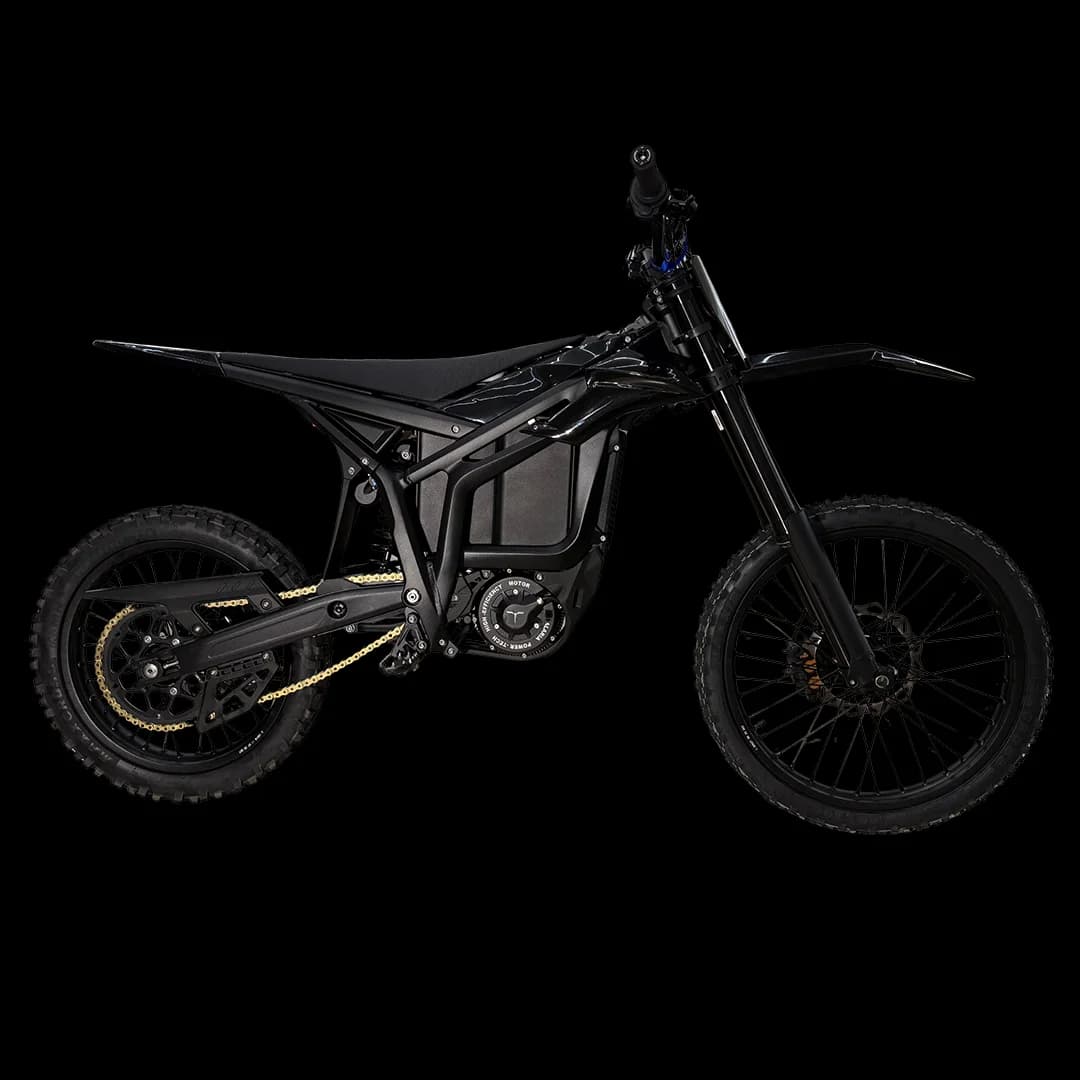
Verified product photo
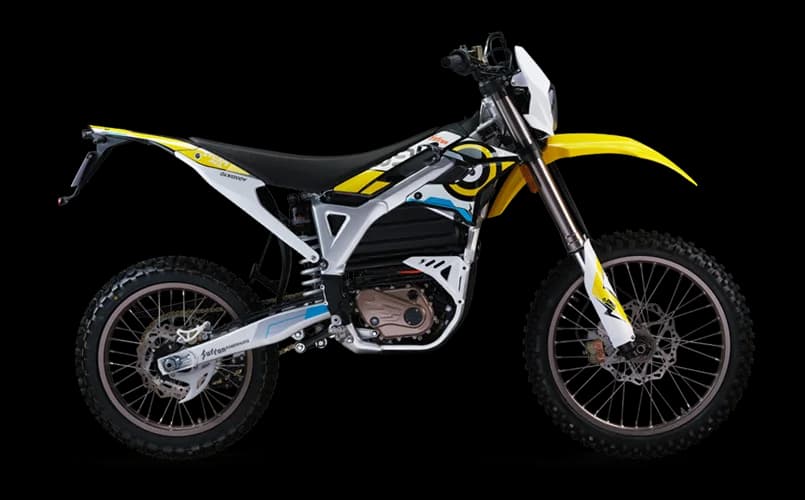
Verified product photo
Comparison table
Head-to-head spec winners
Awarded spec rows
2-2
Talaria Komodo vs Sur-Ron Storm Bee
| Spec | Talaria Komodo | Sur-Ron Storm Bee | Winner |
|---|---|---|---|
| Power | 32 kW peak | 22.5 kW peak | Talaria Komodo+9.5 kW |
| Top speed | 65 mph | 68.3 mph | Sur-Ron Storm Bee+3.3 mph |
| Battery capacity | 4.4 kWh | 5.7 kWh | Sur-Ron Storm Bee+1.3 kWh |
| Real range | Not published | 45 mi | No winner awardedNeeds both published values |
| Weight | 216 lb | 280 lb | Talaria Komodo64 lb lighter |
| Brakes | Dual Hydraulic | Dual Hydraulic | TieSame Dual Hydraulic |
| Suspension | Full | Full | TieSame Full |
| Warranty | 12 mo | Not published | No winner awardedNeeds both published values |
| Delivered price | $5,999 street + shipping unknown | $8,999 street + shipping unknown | No winner awardedShipping unknown |
Power
- Talaria Komodo
- 32 kW peak
- Sur-Ron Storm Bee
- 22.5 kW peak
Top speed
- Talaria Komodo
- 65 mph
- Sur-Ron Storm Bee
- 68.3 mph
Battery capacity
- Talaria Komodo
- 4.4 kWh
- Sur-Ron Storm Bee
- 5.7 kWh
Real range
- Talaria Komodo
- Not published
- Sur-Ron Storm Bee
- 45 mi
Weight
- Talaria Komodo
- 216 lb
- Sur-Ron Storm Bee
- 280 lb
Brakes
- Talaria Komodo
- Dual Hydraulic
- Sur-Ron Storm Bee
- Dual Hydraulic
Suspension
- Talaria Komodo
- Full
- Sur-Ron Storm Bee
- Full
Warranty
- Talaria Komodo
- 12 mo
- Sur-Ron Storm Bee
- Not published
Delivered price
- Talaria Komodo
- $5,999 street + shipping unknown
- Sur-Ron Storm Bee
- $8,999 street + shipping unknown
Score breakdown
Power
/22 pts
Range
/20 pts
Chassis
/18 pts
Value
/15 pts
Support
/12 pts
Ergonomics
/8 pts
Versatility
/5 pts
The value flagship and the proven flagship
The Sur-Ron Storm Bee is the establishment's full-size answer — a big, fast, 5.7 kWh machine backed by the deepest ecosystem in the class, and one of the highest-scoring bikes on our board. The Talaria Komodo is Talaria's top peak-power full-size value play, and it comes in $3,000 under the Storm Bee while weighing 64 lb less and making more peak power. What makes the matchup interesting is that both stories are real: the Komodo genuinely is the better value and the lighter, punchier bike, and the Storm Bee genuinely is the bigger-battery, faster, more-proven one.
The core matchup
| Talaria Komodo | Sur-Ron Storm Bee | |
|---|---|---|
| VoltRipper Score | 91 | 96 |
| Price | $5,999 | $8,999 |
| Peak power | 32 kW | 22.5 kW |
| Top speed | 65 mph | 68.3 mph |
| Battery | 4,374 Wh (97.2V) | 5,720 Wh (104V) |
| Weight | 216 lb | 280 lb |
| Torque | 754 N·m | — |
| Wheels | 21 / 18 in | 19-in MX-style |
| Warranty | 12-month (stated) | Unstated |
| Street-legal path | Off-road only | Kit + register |
| Support & resale | Talaria, newer platform | Deepest in class |
Head-to-head, factor by factor
Price → Komodo, decisively. $5,999 vs $8,999 — the Komodo undercuts the Storm Bee by a full $3,000. That's not a small premium; it's a different budget tier. On raw dollars, the Komodo is the value story of the full-size class.
Weight → Komodo. At 216 lb the Komodo is 64 lb lighter than the 280-lb Storm Bee — a big gap even among full-size bikes. The Storm Bee is a genuinely heavy, motorcycle-scale machine; the Komodo is the more manageable of the two in tight terrain and when you're picking it up. Both are still expert-level, but the Komodo asks less of you physically.
Peak power → Komodo. The Komodo makes 32 kW to the Storm Bee's 22.5 kW, with 754 N·m of wheel torque — more grunt off the bottom. It's the punchier bike in a straight line, even if it doesn't carry the Storm Bee's top-end.
Top speed → Storm Bee, narrowly. The Storm Bee runs its official 68.3 mph to the Komodo's 65 — a 3 mph edge from its higher-voltage 104V system, not the decisive gap we previously described. More power doesn't automatically mean more top speed — gearing and voltage decide that, and here the Sur-Ron has the edge.
Battery & range → Storm Bee, decisively. The Storm Bee's 5,720 Wh (5.7 kWh) pack is roughly 30% bigger than the Komodo's 4,374 Wh. That's the single biggest hardware gap between them: for longer rides and real trail range, the Storm Bee simply carries more energy. (Both quote optimistic low-speed range claims — here's why claimed and real diverge — but a 30% battery advantage is a 30% battery advantage.)
Street-legal → Storm Bee. The Storm Bee has a kit-and-register path to road use where your state allows; the US-market Komodo is off-road only as delivered. If any road riding matters, that's a point for the Sur-Ron. (Check your state's rules first.)
Support, aftermarket & resale → Storm Bee, decisively. This is Sur-Ron's trump card and the biggest reason for its higher Score: the deepest parts catalog, the widest dealer network, the largest owner community, and the deepest used demand in electric dirt. The Komodo has Talaria's brand behind it, but as a newer full-size platform its aftermarket and resale are far less established. (One flip side: the Komodo carries a stated 12-month warranty, while the Storm Bee's term isn't stated in our data — confirm both with your dealer.)
Score → Storm Bee (96 vs 91). Read it correctly: it's not saying the Komodo is weak — it's cheaper, lighter, and more powerful. It's saying the Storm Bee's bigger battery, higher top speed, street path, and unmatched support outweigh the Komodo's price, weight, and peak-power advantages in the balanced Score. Which set of strengths matters more is your call.
Which should you buy?
- Best value, lightest, most peak power, and you can self-support: Talaria Komodo — a phenomenal amount of full-size hardware for $5,999. (Full review →)
- Biggest battery, more speed, street-kit path, deepest support, and the higher Score: Sur-Ron Storm Bee — the proven full-size benchmark. (Full review →)
- Weighing the Komodo against Sur-Ron's lighter, cheaper big bike instead? See Talaria Komodo vs Sur-Ron Ultra Bee — the Ultra Bee is the more direct price-and-size rival.
- Not sure you need a full-size bike at all? Start with our best full-size electric dirt bike rundown.
Not sure which fits your riding? Run the Find Your Ride configurator.
The honest bottom line
The Talaria Komodo is the better bike on paper for the money — $3,000 cheaper, 64 lb lighter, and more powerful. If value and manageable weight are your priorities and you're comfortable being more self-reliant on a newer platform, it's one of the most bike-for-your-dollar full-size machines you can buy. But the Sur-Ron Storm Bee earns its higher Score where it counts for a full-size bike — a 30%-bigger battery, a higher top speed, a street-legal path, and the deepest support and resale in the class — and for a lot of riders, that range and proven backing are worth the extra $3,000. Buy the Komodo for the value; buy the Storm Bee for the range, the pace, and the ownership.
VoltRipper is independent — we don't sell Talaria, Sur-Ron, or any bike, and our Score is based on verified specs, not who pays us. Affiliate disclosure is included on monetized pages, and we're spec-verified/data-driven rather than hands-on until first-hand testing exists.
FAQ
Is the Talaria Komodo or the Sur-Ron Storm Bee better?
They win on different things. The Talaria Komodo (Score 91) is the value pick — $3,000 cheaper ($5,999 vs $8,999), 64 lb lighter (216 vs 280 lb), and more peak power (32 vs 22.5 kW). The Sur-Ron Storm Bee (Score 96) counters with a much bigger battery (5.7 vs 4.4 kWh, so more real range), a higher top speed (68.3 vs 65 mph), a street-kit path, and the deepest support and resale in the class — which is why it scores higher. Buy the Komodo for value, light weight, and power; buy the Storm Bee for range, proven support, and the higher overall Score.
Which is faster, the Talaria Komodo or the Sur-Ron Storm Bee?
The Storm Bee, but only just — 68.3 mph versus the Komodo's 65 mph, from its higher-voltage 104V system. That is a 3 mph edge, not the 10 mph gap the widely-repeated 75 mph figure implied. The Komodo actually makes more peak power (32 vs 22.5 kW), which helps acceleration, but the Storm Bee's gearing and voltage give it the higher top speed. If outright pace matters most, the Storm Bee wins it.
Which has more range?
The Storm Bee, clearly — it carries a 5,720 Wh (5.7 kWh) pack versus the Komodo's 4,374 Wh (~4.4 kWh), roughly 30% more energy. Both quote low-speed range claims we treat as best-case rather than trail numbers, but on battery size the Storm Bee has a real advantage, which matters for longer rides. The Komodo's lighter weight helps efficiency, but it can't fully close a 30% battery gap.
Why does the Storm Bee score higher if the Komodo is cheaper and more powerful?
Because the VoltRipper Score weights more than power and price. The Komodo genuinely wins on cost, weight, and peak power, but the Storm Bee leads on the things that don't show on a spec sheet's first line — a much bigger battery, a higher top speed, a street-kit path, and Sur-Ron's decade-deep aftermarket, dealer network, and resale. Those add up to a 94 versus the Komodo's 91. The gap says the Storm Bee is the stronger all-round package; it doesn't say the Komodo is a bad buy — for value and weight, it's excellent.
Sources
Specification sources
- Talaria KomodoRonster Rides - Talaria Komodo dealer listingChecked
- Sur-Ron Storm BeeSur-Ron USA - Storm BeeChecked
- Sur-Ron Ultra BeeVoro Motors — Surron Ultra Bee HP SW 24.5kW 74V 60AhChecked