Tracked price checks
Bikes in this guide
Onyx
RCR
Moped-style comfort with a seat, lights, and a street kit — the most commuter-friendly bike here
Trade-off: Heavy (~155 lb) and moped-shaped — less capable in technical off-road than a true dirt bike
We may earn a commission if you buy through this link, at no extra cost to you.
Check price at Onyx Motors (official)Delfast
Top 3.0
Record-setting range: a huge 3.4 kWh (72V/47Ah) pack rated 200+ mi in eco
Trade-off: Pedal-equipped Class-2 e-bike — not a pure dirt bike (it competes on range, not dirt capability)
We may earn a commission if you buy through this link, at no extra cost to you.
Check price at E-Wheels WarehouseSur-Ron
Light Bee X
Enormous aftermarket and parts ecosystem — the most-supported e-dirt-bike platform
Trade-off: Advertised range collapses at speed — plan for real-world miles well under the claim
We may earn a commission if you buy through this link, at no extra cost to you.
Check price at ATV Wholesale OutletThe short answer
Both are road-oriented e-motos, but they're built for different priorities:
- Buy the Onyx RCR ($4,699, Score 94) if you want power and value — 2.5x the power, a higher top speed, more real-world range, and $2,300 less.
- Buy the Delfast Top 3.0 ($6,999, Score 82) only if you turn up one on the used market and want turnkey street-legality — a genuine, register-and-ride e-motorcycle — plus the biggest touring-range claim in the class. The only seller we track shows it sold out, and Delfast's own sites were unreachable when we last checked.
The twist most buyers get wrong: the Delfast's famous 200-mile range is a low-speed number, and in real riding the cheaper Onyx actually goes farther.
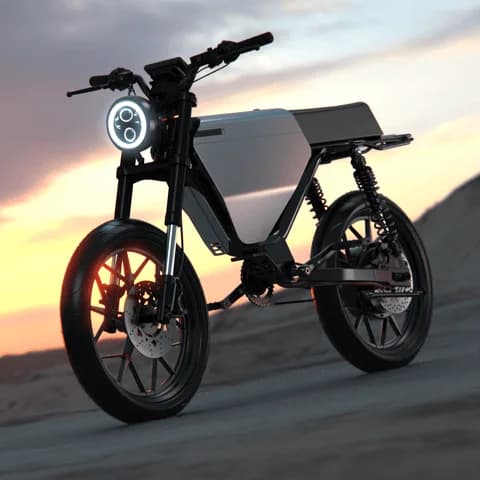
Verified product photo
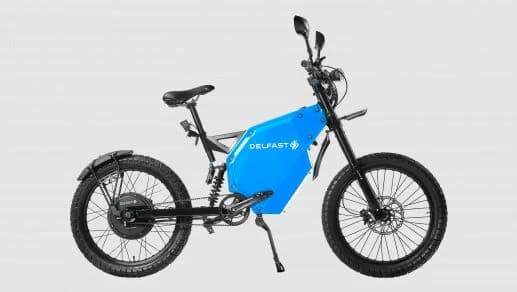
Verified product photo
Comparison table
Head-to-head spec winners
Awarded spec rows
4-1
Onyx RCR vs Delfast Top 3.0
| Spec | Onyx RCR | Delfast Top 3.0 | Winner |
|---|---|---|---|
| Power | 15 kW peak | 6 kW peak | Onyx RCR+9 kW |
| Top speed | 65 mph | 50 mph | Onyx RCR+15 mph |
| Battery capacity | 3.6 kWh | 3.4 kWh | Onyx RCR+200 Wh |
| Real range | 45 mi | 40 mi | Onyx RCR+5 mi |
| Weight | 155 lb | 154 lb | Delfast Top 3.01 lb lighter |
| Brakes | Dual Hydraulic | Dual Hydraulic | TieSame Dual Hydraulic |
| Suspension | Full | Full | TieSame Full |
| Warranty | 12 mo | Not published | No winner awardedNeeds both published values |
| Delivered price | $4,699 street + shipping unknown | $6,999 street + shipping unknown | No winner awardedShipping unknown |
Power
- Onyx RCR
- 15 kW peak
- Delfast Top 3.0
- 6 kW peak
Top speed
- Onyx RCR
- 65 mph
- Delfast Top 3.0
- 50 mph
Battery capacity
- Onyx RCR
- 3.6 kWh
- Delfast Top 3.0
- 3.4 kWh
Real range
- Onyx RCR
- 45 mi
- Delfast Top 3.0
- 40 mi
Weight
- Onyx RCR
- 155 lb
- Delfast Top 3.0
- 154 lb
Brakes
- Onyx RCR
- Dual Hydraulic
- Delfast Top 3.0
- Dual Hydraulic
Suspension
- Onyx RCR
- Full
- Delfast Top 3.0
- Full
Warranty
- Onyx RCR
- 12 mo
- Delfast Top 3.0
- Not published
Delivered price
- Onyx RCR
- $4,699 street + shipping unknown
- Delfast Top 3.0
- $6,999 street + shipping unknown
Score breakdown
Power
/22 pts
Range
/20 pts
Chassis
/18 pts
Value
/15 pts
Support
/12 pts
Ergonomics
/8 pts
Versatility
/5 pts
The 200-mile myth
The Delfast Top 3.0 is marketed on its 200-mile range, and that number sells a lot of bikes. Here's the honest version: it's an eco, low-and-steady-speed figure. In real riding, the Delfast does about 40 miles — and the Onyx RCR, with a similar-sized battery and an efficient hub drive, does about 45. So if you're choosing between them for range, the surprising answer is the cheaper Onyx (more in our range guide). The Delfast's range advantage only materializes if you ride it like a touring bike at gentle speeds — which, to be fair, is exactly what it's built for.
Where the Delfast genuinely wins: street-legal, no hassle
The Delfast's real trump card isn't range — it's that it's fully, turnkey street-legal. You register it and ride it on the road out of the box. The Onyx RCR is road-ready (it ships with lights) but technically a kit bike you'll register yourself, usually as a moped. Both can end up road-legal, but the Delfast gets there with zero conversion effort — a real advantage if paperwork and compliance are what you want to avoid. (Check your state's rules before counting on either.)
The core matchup
| Onyx RCR | Delfast Top 3.0 | |
|---|---|---|
| VoltRipper Score | 94 | 82 |
| Price | $4,699 | $6,999 |
| Peak power | 15 kW | 6 kW |
| Top speed | 65 mph | 50 mph |
| Real-world range | ~45 mi | ~40 mi (claims 200) |
| Weight | 155 lb | 154 lb |
| Drivetrain | Hub (quiet) | Belt (quiet) |
| Street legal | Kit + registration | Fully turnkey |
Head-to-head, factor by factor
Power → Onyx, decisively. 18 kW vs 6 kW — three times the power. The Onyx is a genuinely quick, capable machine; the Delfast is tuned for efficiency and range, not acceleration.
Top speed → Onyx. 65 vs 50 mph. If you'll ride faster roads or want more urgency, the Onyx is the clearly quicker bike.
Real-world range → Onyx (narrowly). ~45 vs ~40 real miles. Yes, despite the Delfast's 200-mile claim — that figure is a low-speed number, and in normal riding the Onyx edges it. The Delfast only pulls ahead if you deliberately ride slow to maximize distance.
Street-legality → Delfast, decisively. Fully turnkey road-legal vs the Onyx's kit-and-register path. If you want to buy a bike and legally ride it on the road with no conversion, this is the Delfast's whole reason to exist.
Price → Onyx. $4,699 vs $6,999 — $2,300 less, for more power, more speed, and more real range. On value it's a rout.
Refinement & touring feel → Delfast. The Delfast is a premium, refined, comfortable touring machine built for long, quiet, legal road miles at moderate speed. If that's your riding, it's a lovely bike — just not a fast or cheap one.
Both are quiet. Hub drive (Onyx) and belt drive (Delfast) are among the quietest setups in the class — neither has a chain to slap. (See our quietest picks.)
Which should you buy?
- Power, speed, value, and more real range: Onyx RCR — the better bike for most road-oriented riders, and the far higher Score. (Full review →)
- Turnkey street-legality and gentle-speed touring distance: Delfast Top 3.0, if you turn up one on the used market — buy it for the no-hassle road-legal status and the touring experience, not for power or a literal 200 miles. (Full review →)
- You mostly want a capable off-roader and don't need road-legal: a Sur-Ron Light Bee X does more for less — see Sur-Ron vs Onyx.
Not sure which fits? Run the Find Your Ride configurator.
The honest bottom line
For most riders, the Onyx RCR is simply the better bike — three times the power, faster, $2,300 cheaper, and even a touch more real-world range than the "200-mile" Delfast. The Delfast Top 3.0 earns its place on one thing above all: it's turnkey street-legal, plus it's a refined eco-touring machine for gentle, long, legal road miles. So be honest about your riding: if you want performance and value, buy the Onyx and register it; if you want to ride legally on the road with zero hassle and tour at relaxed speeds, the Delfast is worth the premium if you turn up one on the used market, because we can find no seller with stock. Just don't buy it expecting 200 real miles.
VoltRipper is independent — we don't sell Onyx, Delfast, or any bike, and our Score is based on verified specs, not who pays us. Affiliate disclosure is included on monetized pages, and we're spec-verified/data-driven rather than hands-on until first-hand testing exists.
FAQ
Should I buy the Onyx RCR or the Delfast Top 3.0?
It depends on your priority. The Onyx RCR (Score 94) is far more powerful (18 vs 6 kW), faster (65 vs 50 mph), $2,300 cheaper, and has more real-world range (45 vs 40 mi). The Delfast Top 3.0 (Score 82) is fully turnkey street-legal — register and ride, no conversion — and has the biggest touring-range claim (200 miles at eco speeds). Onyx for power and value; Delfast for hassle-free street-legality and gentle-speed touring.
Which has better range, the Onyx RCR or the Delfast?
Surprisingly, the Onyx in real riding — about 45 real miles versus the Delfast's ~40, despite the Delfast's headline 200-mile figure. That 200-mile number is a low-speed eco claim; the Delfast's big-range reputation only holds at gentle touring speeds. Ride either at real dirt-bike pace and the cheaper Onyx actually goes a bit farther.
Is the Delfast Top 3.0 street legal?
Yes, fully — it's a genuine street-legal e-motorcycle you can register and ride on the road out of the box. The Onyx RCR is closer but still a kit-and-register bike: it ships with lights, but you'll add DOT equipment (signals, mirrors) and register it (often as a moped) to make it road-legal. If turnkey, no-hassle street-legality is your priority, the Delfast has the clear edge — check your state's rules either way.
Why is the Onyx cheaper AND more powerful than the Delfast?
Different design goals. The Onyx prioritizes power, speed, and value — 18 kW, 65 mph, $4,699. The Delfast prioritizes premium build, full street-legal compliance, and long eco-range, which cost more. Its $6,999 buys legality, refinement, and touring efficiency, not raw performance. Neither is overpriced; they're built for different riders.
Sources
Specification sources
- Onyx RCROnyx Motors — RCR 80V 45AhChecked
- Delfast Top 3.0E-Wheel Warehouse - Delfast Top 3.0i product pageChecked
- Sur-Ron Light Bee XATV Wholesale Outlet - 2026 Sur-Ron Light Bee X (72V/35Ah, 10 kW), $4,699 from $4,999Checked