Tracked price checks
Bikes in this guide
Sur-Ron
Light Bee X
Enormous aftermarket and parts ecosystem — the most-supported e-dirt-bike platform
Trade-off: Advertised range collapses at speed — plan for real-world miles well under the claim
We may earn a commission if you buy through this link, at no extra cost to you.
Check price at ATV Wholesale OutletSur-Ron
Storm Bee
Full-size motorcycle performance — ~75 mph and a huge 5.7 kWh (104V/55Ah) pack
Trade-off: Heavy (~280 lb) and fast — an expert bike, not a beginner's
We may earn a commission if you buy through this link, at no extra cost to you.
View official pageSegway
Xaber 300
Established brand with a real US dealer network, app ecosystem, and smart-vehicle features rare in this class
Trade-off: New model, so aftermarket parts and owner knowledge are nascent versus Sur-Ron and Talaria
We may earn a commission if you buy through this link, at no extra cost to you.
Check price at SegwayGetting your bike to the trail is the one chore no one thinks about until they're staring at 200 pounds of machine and a truck tailgate. The good news: transporting an electric dirt bike is the same as any dirt bike — with one twist that actually makes it easier (the battery). Here's how to do it safely, and why the bike you bought decides your options.
The short answer
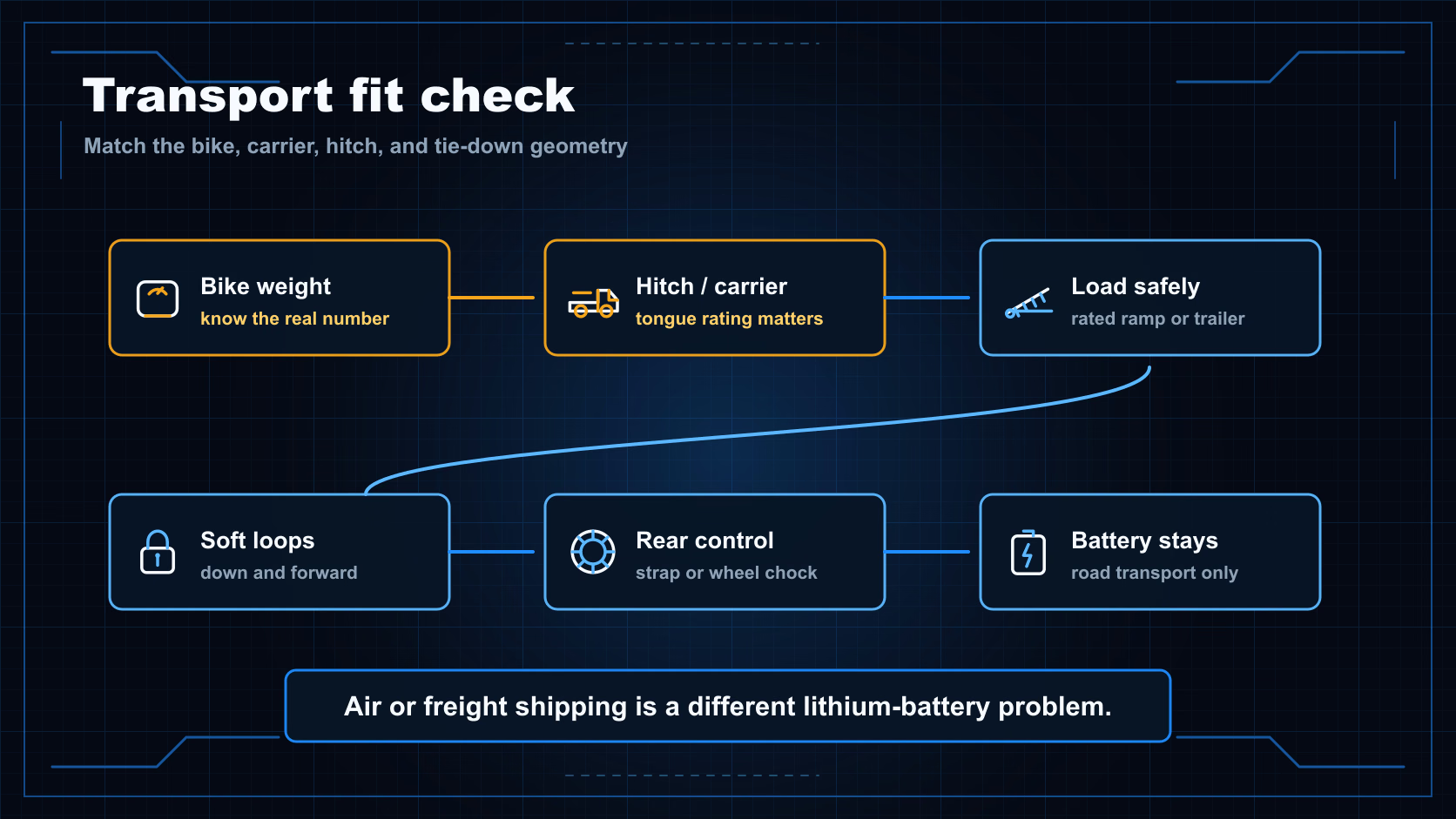
Three ways to haul one: truck bed (load via a ramp), hitch-mounted motorcycle carrier, or trailer. Tie it down with soft loops on the bars, straps pulling down-and-forward, and a rear strap or wheel chock. Leave the battery in — no special handling needed for road transport. The one thing that decides your options is weight: check that your carrier and hitch are rated for your specific bike.
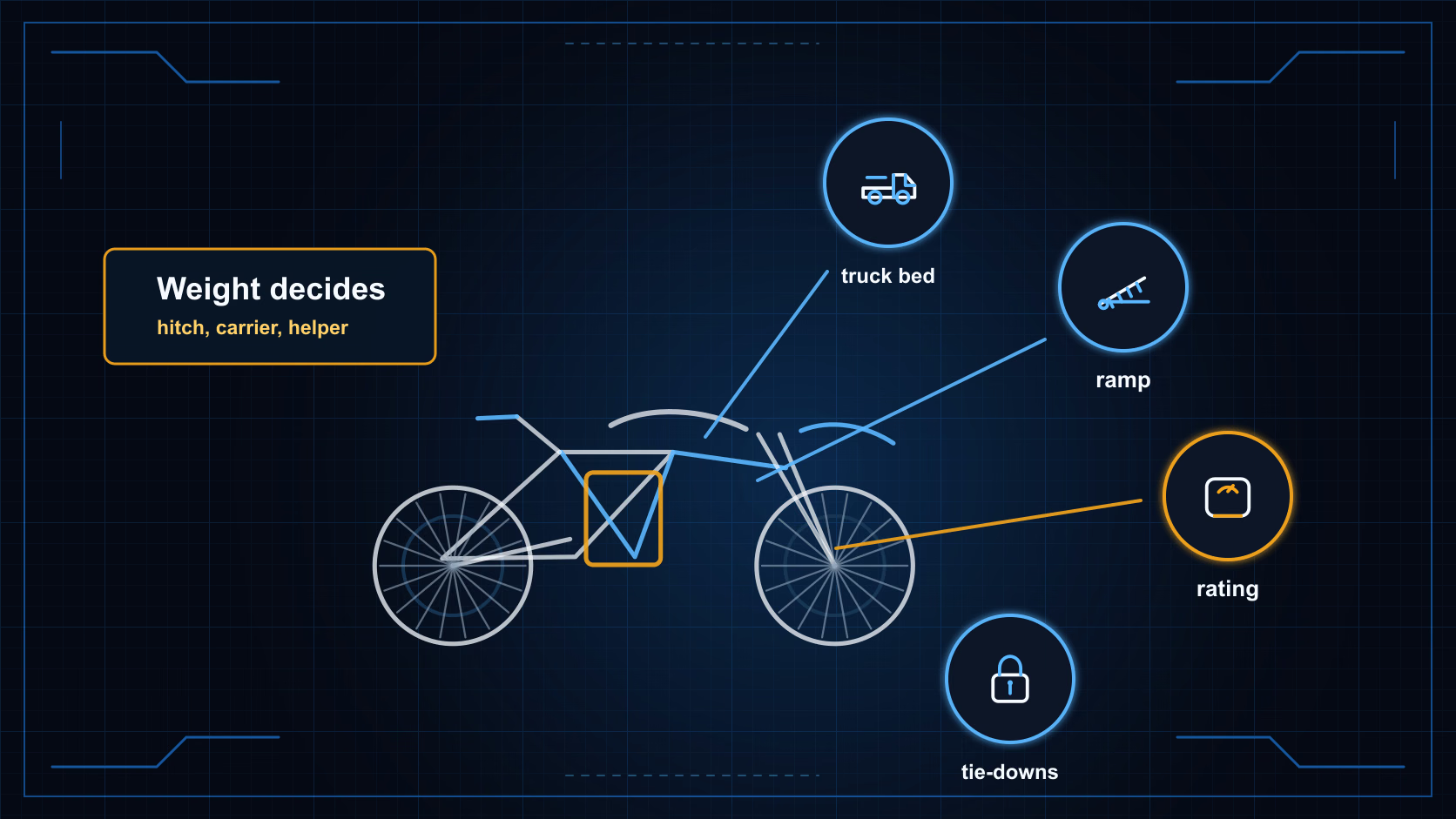
Weight decides everything
This is the part most guides skip. Electric dirt bikes range enormously in weight, and it changes how you can move them:
- A Sur-Ron Light Bee X (~130 lb) or Segway X260 (~121 lb) is light enough for one person to wheel up a ramp and fits most standard motorcycle hitch carriers.
- A full-size Sur-Ron Storm Bee (~280 lb) is a different job entirely — you'll want a heavy-duty carrier, a Class III+ hitch, and either two people or a lift/ramp to load it.
If you haven't bought yet and you'll transport often, weight is a real buying factor — it's one reason our lightweight picks are so easy to live with. Whatever you own, check the numbers: your hitch class rating, your carrier's max load, and the bike's weight all have to line up.
The three ways to haul one
Truck bed. The simplest and most secure. Use a proper arched, rated loading ramp (the arch keeps the bike's belly and your ramp from fighting), load with the bike off, and tie down as below. A bed is the most protected option and handles any weight your truck can carry.
Hitch-mounted motorcycle carrier. A rack that pins into your trailer hitch and holds the bike upright in a wheel channel. Great for cars and SUVs that can't take a bike inside — but only if the carrier and hitch are rated for the weight. Lighter bikes (Sur-Ron, Talaria, Segway) are ideal here; full-size bikes need a heavy-duty carrier. Double-check the hitch's tongue-weight rating, not just the towing rating.
Trailer. The most capacity and the easiest loading (low deck), ideal for multiple bikes or the heaviest machines. More to store and tow, but the least back strain.
Tying it down (the part people get wrong)
A dropped bike at 65 mph is a bad day. Do it right:
- Soft loops around the handlebars (or triple clamp) — never strap directly to bars, and never to plastic, cables, or the battery.
- Straps down and slightly forward, compressing the front suspension a little. That pre-load keeps the straps tight when you hit a bump — the #1 reason bikes come loose.
- A rear strap or a wheel chock to stop fore-and-aft sliding.
- Pad the contact points, and re-check the straps after the first few miles — they always settle.
The battery: leave it in
Here's the electric-specific twist, and it's good news: for personal road transport, leave the battery in place. There's no need to remove or specially handle it — just make sure the bike is powered off and can't switch on in transit. Battery rules only get involved if you ship a bike by air or freight, where lithium-battery regulations apply and often require draining, removal, or declared shipping. For driving to the trail, it's a non-issue — one less thing than a gas bike, which you'd want to drain of fuel.
The bottom line
Transporting an electric dirt bike is straightforward: truck bed, hitch carrier, or trailer; soft-loop tie-downs pulling down-and-forward; battery stays in. The only real gotcha is weight — a 130 lb Sur-Ron fits almost anything, a 280 lb Storm Bee needs heavy-duty gear, so match your carrier and hitch to your bike. If you transport often and haven't bought yet, factor weight into the decision — our Find Your Ride configurator and lightweight picks can help.
Kit for hauling it:
VoltRipper is independent and reader-supported — we may earn a commission on purchases through our links, at no extra cost to you. Transport and tie-down guidance is general; always follow your carrier, hitch, and bike manufacturer's ratings and instructions. Affiliate disclosure is included on monetized pages.
FAQ
How do you transport an electric dirt bike?
Three common ways: in a truck bed (loaded via a ramp), on a hitch-mounted motorcycle carrier, or on a trailer. Secure it with tie-downs — soft loops around the handlebars pulling down and forward, plus a rear strap or wheel chock. The key limiter is weight: check that your carrier and hitch are rated for the bike (these range from ~120 to 280 lb).
Can you put an electric dirt bike on a hitch carrier?
Yes, if the carrier and your hitch are rated for the bike's weight. A Sur-Ron Light Bee (~130 lb) fits most motorcycle hitch carriers on a Class II-III hitch; a full-size Sur-Ron Storm Bee (~280 lb) needs a heavy-duty carrier and a Class III+ hitch. Always match the ratings — an overloaded carrier or hitch is genuinely dangerous at highway speed.
Do you need to remove the battery to transport an electric dirt bike?
No — not for personal transport by car or truck. Leave the battery in and just secure the bike. You only need special battery handling for shipping by air or freight, where lithium-battery regulations apply. For a road trip to the trail, in-place is fine; if anything, power the bike off and make sure it can't switch on.
How do you tie down an electric dirt bike?
Use soft loops around the handlebars or triple clamp, with ratchet or cam straps pulling down and slightly forward to compress the front suspension a little (that keeps tension if you hit a bump). Add a rear strap or a wheel chock to stop it sliding fore-and-aft. Pad the contact points, and never strap to plastic bodywork, cables, or the battery.
Sources
Specification sources
- Sur-Ron Light Bee XATV Wholesale Outlet - 2026 Sur-Ron Light Bee X (72V/35Ah, 10 kW), $4,699 from $4,999Checked
- Sur-Ron Storm BeeSur-Ron USA - Storm BeeChecked
- Segway Xaber 300Segway - Xaber 300 official specificationsChecked