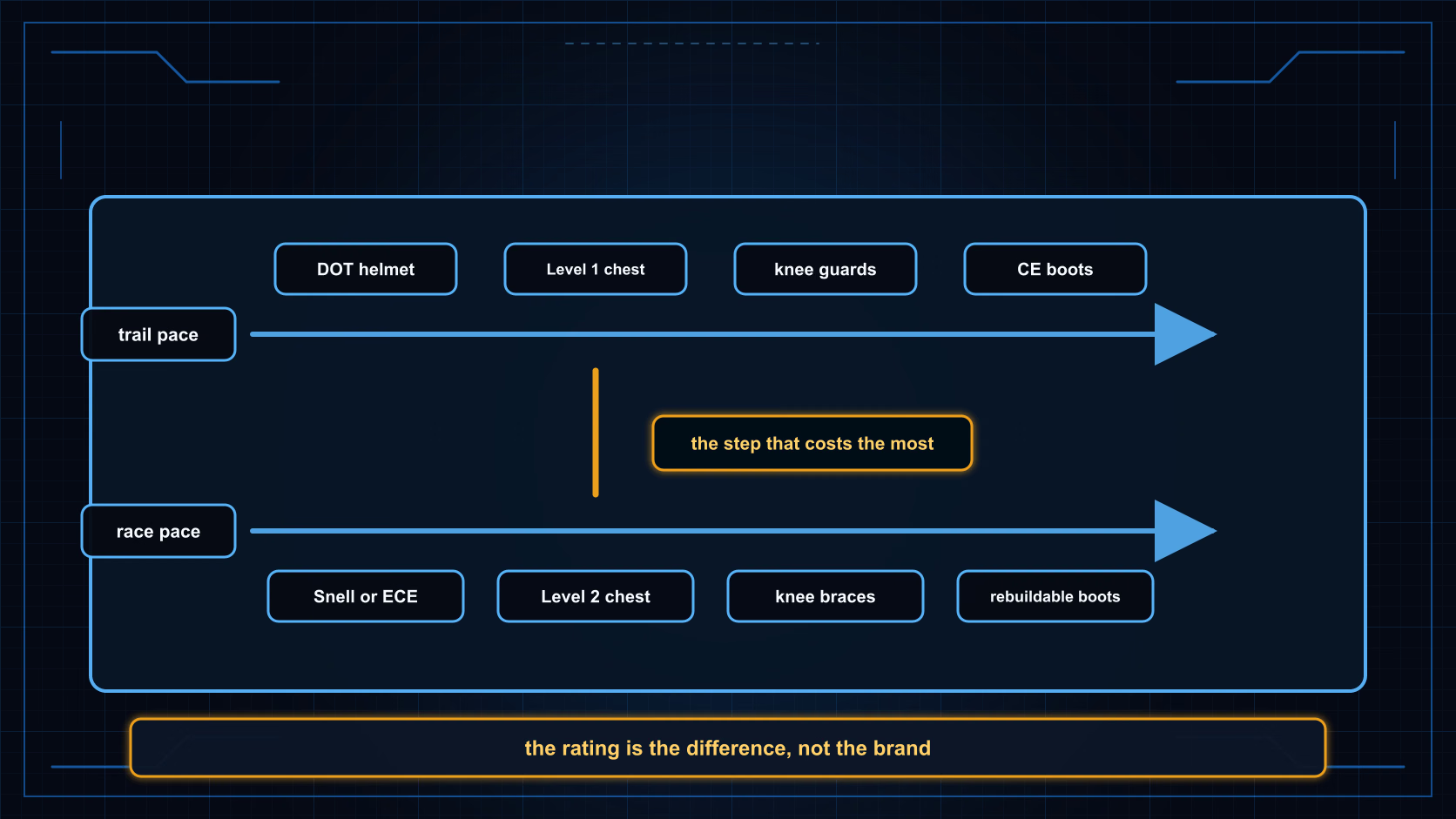
Racing changes what counts as adequate. At trail pace a DOT helmet, Level 1 chest protection and soft knee guards are a defensible kit. At race pace the same items are the entry point rather than the answer, and the gap between them is where the money goes.
The gift problem is that a racer already owns the obvious things. They have a helmet they chose carefully, boots, gloves and goggles. What they are usually still on is the lower rating in one or two categories — and that is the gift that lands.
The step up, category by category
Chest and back, at Level 2
Level 2 transmits less force to the body than Level 1 in the standard test, generally by being thicker and more rigid. For trail riding that trade is arguable. At race pace, in a field, with other bikes, it is the reason the category exists.
Knee braces, which are not knee guards
A guard is a soft pad that absorbs an impact. A brace is a rigid device that limits how far the knee can hyperextend or twist, which is the injury that ends seasons rather than rides. They cost around five times what guards cost because they are doing a structurally different job.
Sized to a leg. Buy this as an agreed purchase, not a surprise — and check guards versus braces if you are not sure which they have.
If they already wear braces, they own exactly one worn pair of these and will not have thought to replace them.
Neck protection, honestly framed
Two things at once. There is no neck-specific efficacy standard, so a CE mark here certifies general protective-equipment compliance and is not evidence the device prevents neck injury. And most people racing at speed wear one, which is a real position held by people with more skin in the game than us.
Both can be true. What follows is that this is a discussed purchase rather than a wrapped one — the brace has to clear their specific helmet shell, which varies by model.
The helmet, if they are still on a DOT-only lid
The most expensive item on this page at $899, and the only one where the argument is straightforwardly about the technology rather than the rating: 6D's omni-directional suspension is a rotational-energy system in the same family of ideas as MIPS, built in rather than licensed.
Boots that get rebuilt
At the top of the boot market you are buying rebuildability as much as protection — soles, buckles and straps are replaceable, so the boot outlasts several seasons rather than being consumed by them.
Their size, without exception. At $400 to $570 a guess is not a gift.
Goggles, plural
Racers destroy goggles. A second pair is never wasted, and unlike almost everything else on this page it needs no measurement.
What they are quietly missing
Racing consumes tools and spares faster than trail riding, and racers are as bad as anyone at replacing the boring half.
The impact shorts are the one piece of protection a racer is genuinely likely to be missing, because they are invisible under pants and therefore feel optional. The hip is what hits first in a low-side.
What not to buy
Another helmet, unless you know they want one. Helmet choice is personal, shape-dependent and usually settled.
Performance parts for the bike. A racer has opinions about gearing, suspension and tyres that were formed by racing. A gift in those categories overrides a decision rather than filling a gap.
Anything with a graphic. Kit is chosen, and a racer's colours are usually deliberate.
The bottom line
Find the category where they are still on the entry rating and buy the step up: Level 2 chest protection, braces instead of guards, or rebuildable boots. Failing that, buy the second pair of goggles and the tools they never replace. And leave the neck brace and the boots to a conversation — both are fitted items where the wrong choice is not merely a return but an unworn piece of protection.
For sizing anything here without asking, see the gear sizing guide.
VoltRipper is independent and spec-verified. Prices are what we verified at the retailer on the date shown — confirm before you buy.
FAQ
What do you buy someone who races dirt bikes?
The upgrade from Level 1 to Level 2, in whichever category they are still on Level 1. A racer usually owns a helmet, boots and some armour, so the gift that lands is the step up in rating rather than another item — Level 2 chest protection at $349, a neck brace at $394.95 or $461, or knee braces at $599.
What is the difference between knee guards and knee braces?
A guard is a soft impact pad that meets CE EN 1621-1 and costs around $110. A brace is a rigid ligament device that limits how far the knee can hyperextend or twist, costs around $599, and is sized to a specific leg. Racers wear braces; trail riders usually wear guards. They are not substitutes and the price difference reflects a different job.
Is a neck brace necessary for racing?
It is common and it is a personal decision. No neck-specific efficacy standard exists, so a CE mark on a neck brace certifies general protective equipment compliance rather than proving injury prevention. Most racers wear one anyway, and the fit has to work with their specific helmet — which makes it a purchase to discuss rather than surprise.
What does a racer already own?
A helmet they chose carefully, boots, gloves and goggles. What they frequently lack is the tooling side — a torque wrench, a chain breaker, spare tubes and a lift stand — and the second set of anything, because racing destroys goggles and tears jerseys faster than trail riding does.