The short answer
Hauling a Sur-Ron is easy with the right gear — and genuinely dangerous with the wrong rating. The rule that matters most:
> Every carrier and ramp has a rating AND a system limit. Check both — and a bicycle rack is never OK for a moto-class bike.
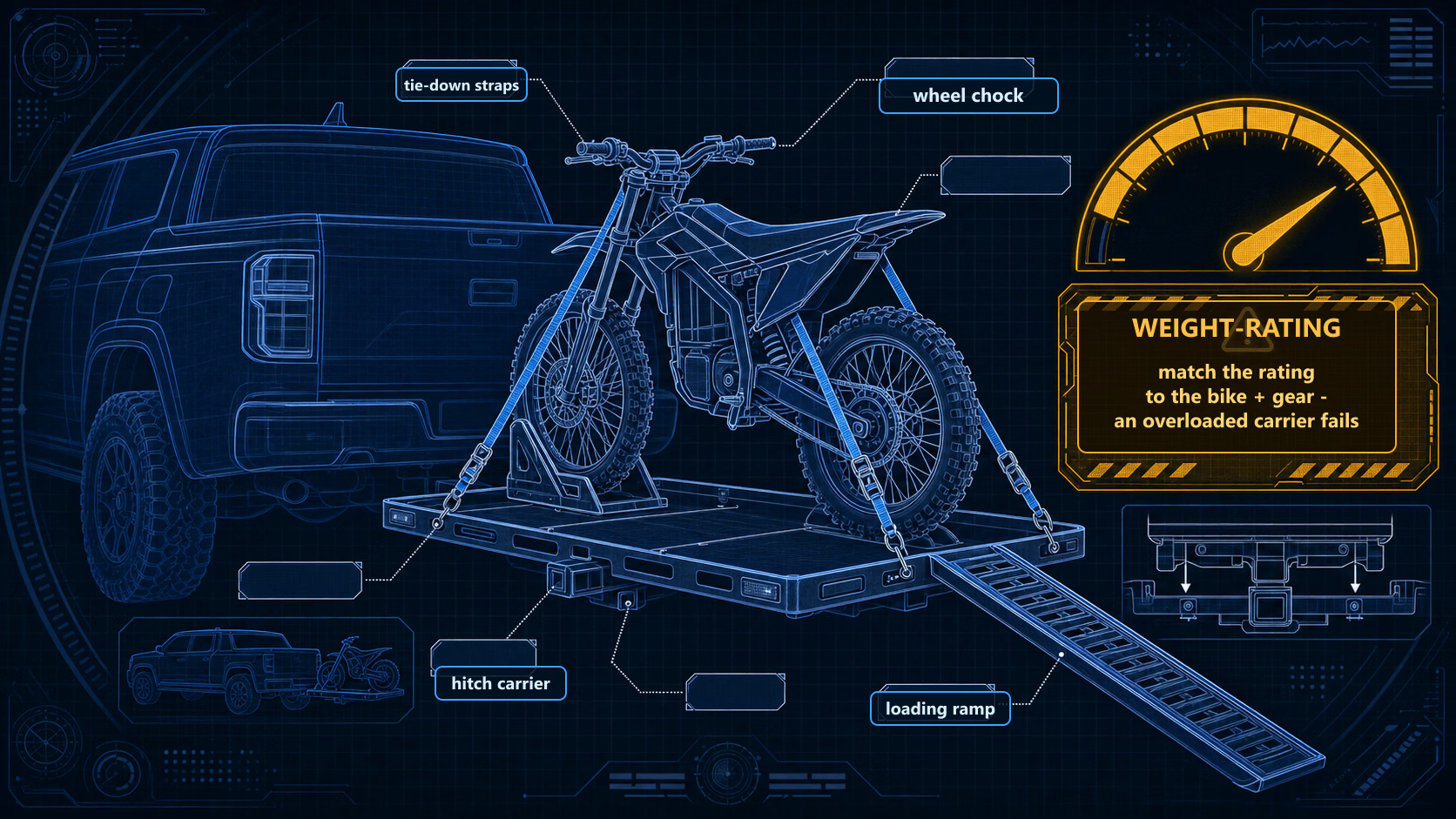
With that understood, here's the gear: a hitch carrier, an arched ramp, a chock, and soft-loop straps.
The weight-rating rule (read this first)
These bikes are heavy for their size — a Light Bee is ~130 lb, but a full-size Storm Bee or Stark can be 250–300+ lb, beyond what many consumer racks handle. So two limits both have to pass:
- The carrier/ramp's own rating must exceed the bike plus the carrier's weight.
- The system limit — for a hitch carrier that's the hitch tongue-weight rating and a 2-inch Class III/IV receiver (not a 1.25-inch), because the bike hung out behind the vehicle eats tongue-weight margin fast.
Look up your exact bike's weight, add the carrier, and check the total against both. A bicycle rack is never acceptable.
Hitch carrier
A proper motorcycle hitch carrier is the no-trailer way to haul — this one is rated 500 lb on a 2-inch Class III/IV receiver:
Remember the carrier's own ~62 lb counts against your tongue-weight limit, and heavy bikes plus leverage consume it quickly.
Ramp
Load with an arched ramp rated comfortably above your bike's weight — the arch keeps the low-slung frame from high-centering as it transitions onto the truck bed:
Always secure the ramp to the vehicle and use the safety strap; walking a heavy bike up a marginal or unsecured ramp is a top injury scenario.
Wheel chock
A chock stabilizes the front wheel for loading and strapping — but it's not a tie-down substitute:
Tie-downs
Soft-loop straps to solid anchor points, pulling from a wide angle, with the suspension slightly compressed:
Use real anchor points, never pinch a brake line or cable, and don't rely on the chock alone.
In the garage
For service (not transport), a weight-rated stand or lift makes the job easier — sized to your bike's weight and odd center of gravity. The tool-kit guide covers the stand basics.
The bottom line
Hauling an e-moto comes down to ratings and technique: a hitch carrier and ramp both rated comfortably above your bike, a 2-inch receiver within its tongue-weight limit, an arched ramp secured to the vehicle, a chock for stability, and soft-loop straps from wide angles. Look up your exact bike's weight, never use a bicycle rack, and never max out a rating. Keep the bike healthy with the maintenance guide, and if you're choosing a bike, run the Find Your Ride configurator.
VoltRipper is independent — we don't sell parts and our recommendations aren't pay-to-play. Transport is safety-critical: confirm your bike's weight against both the carrier/ramp rating and your hitch's tongue-weight limit, use a 2-inch receiver for moto carriers, secure ramps and loads properly, and never use a bicycle rack. Affiliate disclosure is included on monetized pages, and we're spec-verified/data-driven rather than hands-on until first-hand testing exists.
FAQ
Can you put a Sur-Ron on a hitch carrier?
Yes, on a proper motorcycle hitch carrier — but two weight limits both have to pass, and this is where people get it wrong. First, the carrier's own rating must exceed the bike plus the carrier's weight. Second, and more often missed, the hitch's tongue-weight rating must handle the bike, the carrier, and the leverage — a moto carrier needs a 2-inch Class III or IV receiver, not a 1.25-inch, and the tongue-weight limit (often a few hundred pounds on a Class III) gets consumed fast by a bike hung out behind the vehicle. A bicycle rack is never acceptable for a motorcycle-class bike. Check both ratings before you load.
Do I need a special ramp for an electric dirt bike?
You want a ramp rated comfortably above the bike's weight and, ideally, an arched one. The rating is the obvious part — pick a ramp with clear headroom over your bike's weight, not one you're maxing out. The less obvious part is the arch: an arched ramp keeps the low-slung frame, pedals, or belly of an e-moto from high-centering as it transitions onto the truck or trailer, which a straight ramp can catch. Always secure the ramp to the vehicle and use the safety strap, and load with stable footing — walking a heavy bike up a marginal or unsecured ramp is a common injury and damage scenario.
What's the safest way to strap down an electric dirt bike?
Soft-loop straps to solid anchor points, pulling from a wide angle, with the suspension slightly compressed and a wheel chock up front for stability. Soft loops wrap the bars or frame without metal hooks scratching the finish or crushing a cable, and pulling from a wide angle stops the bike tipping. Compressing the suspension a little keeps tension as the bike settles over bumps. A wheel chock stabilizes the front but is not a substitute for straps. Whatever you do, use real anchor points rather than trim, and never pinch a brake line, throttle cable, or wiring.
How much does an electric dirt bike weigh for transport?
It varies a lot by model, and that's exactly why the ratings matter. A light bike like a Sur-Ron Light Bee is around 130 lb, while a full-size model like the Storm Bee or a Stark Varg can be 250-300+ lb — and the heavy ones exceed what many consumer carriers and racks can safely handle. Always look up your specific bike's weight, add the carrier's own weight, and check that total against both the carrier rating and your hitch's tongue-weight limit. The heavier your bike, the more carefully you have to size the transport gear.