The short answer
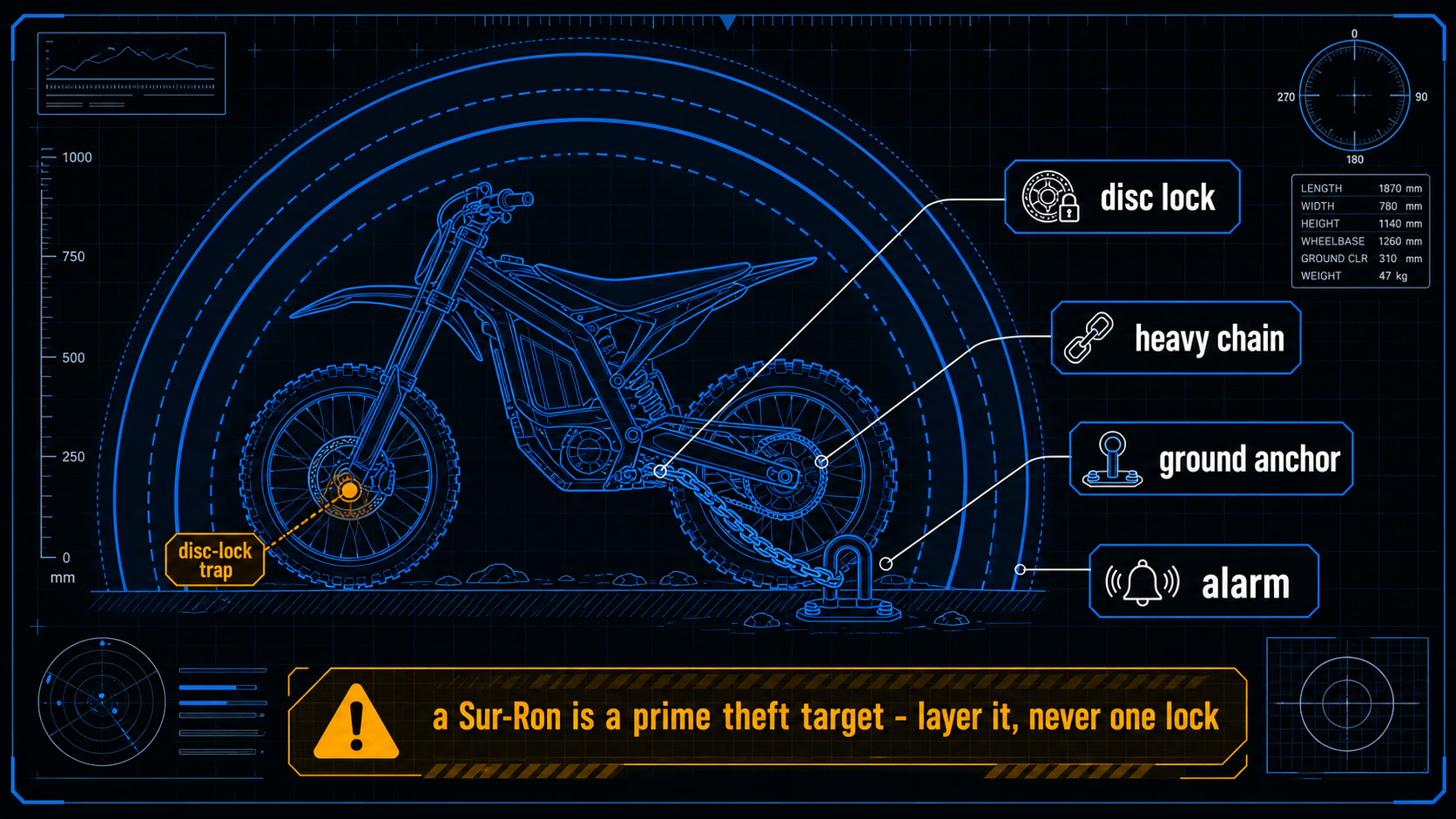
A Sur-Ron is a prime theft target — light, valuable, and easy for two people to lift into a van. So the rule is simple: layer your security, and never rely on one lock. The layers:
- Immobilize the wheel — a disc lock, ideally with an alarm.
- Anchor the bike to a fixed object — a hardened chain to a ground anchor or immovable structure. This is the layer that actually matters.
- Track it — a hidden tracker for recovery.
And the trap to avoid first.
The disc-lock trap
A disc lock stops the wheel from turning, so the bike can't be ridden or rolled — a useful visible deterrent. But on a light Sur-Ron, thieves don't roll it away; they lift the whole bike into a vehicle. A disc lock does nothing to stop that.
So a disc lock is a good first layer — not the whole plan. The alarm versions add a real deterrent, but you still have to anchor the bike to something that can't move.
Layer 1: immobilize — a disc lock (with an alarm)
Start with a visible disc lock on the rotor. A basic one is a cheap, portable deterrent:
Step up to an alarm disc lock for on-the-go parking — a loud siren when the bike is tampered with adds real deterrence:
Both immobilize the wheel — but remember, they don't stop a lift.
Layer 2: anchor — the layer that actually protects
This is the real security: a heavy hardened chain routed through the frame to a fixed object, so the bike can't be lifted and carried off. Look for thick, hardened links (around 14mm and up):
At home or in an apartment space where there's no fixed point, add a ground anchor bolted to solid concrete — it turns any garage into a lockup:
A big chain is heavy and not something you'll carry on a trail ride — so many owners run the light disc/alarm lock on the go and the heavy chain-and-anchor at home.
Layer 3: tether the extras
A cable is not a lock (it cuts fast), but it's a useful tether for a helmet, the front wheel, or accessories — layered with a real lock:
Layer 4: track it for recovery
Even the best locks can be beaten with time and tools, so add a hidden tracker as your recovery plan. Locks deter and delay; a tracker helps you get the bike back. See the GPS tracker guide — and the difference between a real tracker and a finder.
Which setup do you need?
- On the go / daily parking → an alarm disc lock, plus a portable chain if you can carry it.
- Home / apartment / overnight → a hardened chain + ground anchor, the real security.
- High-value bike → all of the above plus a hidden tracker.
The bottom line
A Sur-Ron is too easy to carry off to trust one lock. Immobilize the wheel (a disc/alarm lock), anchor the bike to something immovable with a hardened chain (the layer that actually stops a lift), and track it for recovery. Never let a disc lock be your whole plan. Keep the rest of the bike dialed with the maintenance guide, and if you're choosing a bike, run the Find Your Ride configurator.
VoltRipper is independent — we don't sell parts and our recommendations aren't pay-to-play. No lock is theft-proof; layer physical security with a recovery tracker, and anchor the bike to an immovable object. Affiliate disclosure is included on monetized pages, and we're spec-verified/data-driven rather than hands-on until first-hand testing exists.
FAQ
How do I stop my Sur-Ron from being stolen?
Layer your security, because no single lock is enough on a bike this easy to carry off. The strong setup is: immobilize the wheel (a disc lock, ideally with an alarm), anchor the bike to a fixed object (a hardened chain through the frame to a ground anchor or immovable structure), and add a hidden tracker for recovery. The key insight is that a Sur-Ron is light enough for two people to lift into a van, so a lock that only stops the wheel from turning doesn't stop the theft — you have to anchor it to something that can't move. Layers deter, delay, and give you a recovery plan if the worst happens.
Is a disc lock enough to protect a Sur-Ron?
No — and this is the trap. A disc lock immobilizes the wheel so the bike can't be ridden or rolled away, which is a useful visible deterrent, but it does nothing to stop thieves from simply lifting the whole bike into a vehicle. On a heavy motorcycle that lift is hard; on a light Sur-Ron it isn't. So a disc lock is a good first layer, especially the alarm versions, but it must be paired with a chain and a fixed anchor to actually secure the bike. Never rely on a disc lock alone for a light, valuable e-moto.
What's the best lock for a Sur-Ron?
For real security, a heavy hardened chain (look for thick, hardened links — around 14mm and up) routed through the frame to a fixed anchor is the core of it, paired with a disc lock and, ideally, a ground anchor at home. The chain is what resists cutting and lets you tie the bike to something immovable; the disc lock adds wheel immobilization and deterrence; the ground anchor gives you a fixed point in a garage or apartment space where there isn't one. A big chain is heavy and not something you'll carry on a trail ride, so many owners run a lighter disc/alarm lock on the go and the heavy chain-and-anchor at home.
Do I still need a lock if I have a GPS tracker?
Yes — they do opposite jobs. A lock deters and delays the theft; a tracker only helps you recover the bike after it's gone. Relying on a tracker alone means accepting that the bike will be taken and hoping you get it back, which is a worse outcome than preventing the theft in the first place. The right approach layers both: physical locks and an anchor to stop or slow the theft, and a hidden tracker as your recovery plan for the case where the locks are defeated. See our tracker guide for the finder-vs-tracker difference.